In brief
Israel’s next election will see the biggest turnout of first‑time voters since the war, with far‑right sayurities pile on the fray. Itamar Ben Gvir, who once found himself barred from the army, has built a youth‑centered base that could tip a tight race. Polls warn 16 % of fresh voters lean toward the far‑right, while social‑media savvy Ben Gvir outscores rivals on TikTok and Instagram. Young Israelis are split: some snatch up the promise of security, others push back against extreme rhetoric. The upcoming vote could rewrite the political map for Israel’s future.
Israel’s young voters are moving the needle on the ballot paper. With over half a million first‑time voters heading to the polls next week, political parties are vying for their support as the nation wrestles with questions of security, identity and the legacy of the 7 October terror attacks.
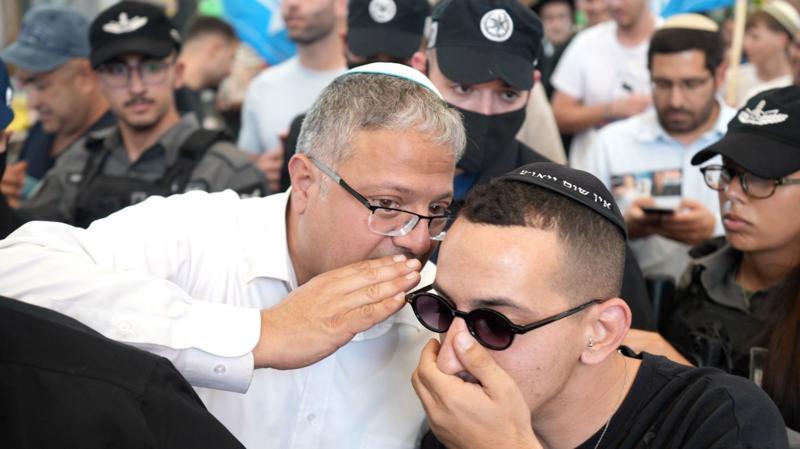
At the heart of the drama is far‑right National Security Minister Itamar Ben Gvir. Rejected from Israel’s army as a teenager for extremist views, he has now become a minister in Prime Minister Netanyahu’s coalition. On a Sunday morning in the mixed city of Ramle, he stood before a sea of young supporters, raising huge party flags and urging them to vote. “We see the support, the love, and we want to win!” he shouted, a call that reverberated with hundreds who see him as a protector in a turbulent era.
Polls indicate that 16 % of first‑time voters plan to back the far‑right. This includes Ben Gvir’s Jewish Power party and the allied Religious Zionism group led by Bezalel Smotrich. Meanwhile, youth‑centric labels like Beyachad are aiming to capture a near‑9 % share of the fresh electorate. In Tel Aviv, a liberal urban centre, turnout for parties backing Ben Gvir reached 90 % compared with 59 % for the city’s typical liberal baseline.
What gives Ben Gvir the edge is social media. Unlike older politicians who resist TikTok and Instagram, he uses the platforms to spread his message. Recent videos reveal him addressing followers in short clips, his allies choreographing dance‑like routines, and even Netanyahu appearing in a fast‑paced militaristic clip. “Younger people get their details from TikTok and Instagram, not traditional news,” he says, a strategy that has outpaced rivals so far.
Not all youths welcome that influence. At a student event in Tel Aviv, Ben Gvir was heckled by protesters chanting “Fascism will not pass.” Within his entourage, he also faces criticism from shopkeepers in Ramle who see his rhetoric as divisive. Yet many of the 18‑to‑22‑year‑olds speak of a renewed sense of national identity and security that they hope the far‑right can deliver.
With the election almost here, the ballot boxes for first‑time voters could be the deciding factor. Whether Israel moves further right or takes a path that balances security with broader representation remains to be seen. The nation, and the world, will watch how the new generation votes.