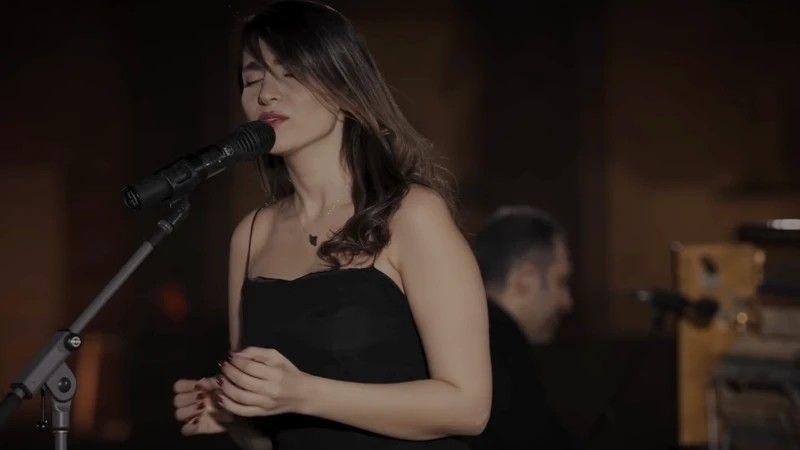
A singer streamed a concert, she got flogged.
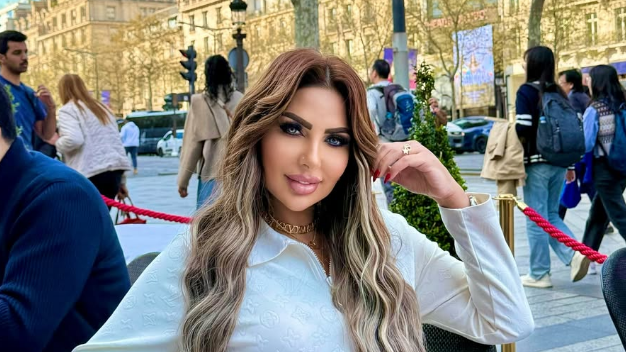
Parastoo Ahmadi was 29 and famous in Iran, but in December 2024 she performed a livestreamed set in a sleeveless dress, breaking the nation’s strict rule that women must wear hijabs and modest clothes for public shows.

The Iraqi court found her and eight crew members guilty of “offending public decency”, giving them 74 lashes, a ban from TV and theatre, and a two‑year travel restriction. The appeal court kept the punishment intact – no hearings, just a straight‑up decision aimed at deterring future “violations”.
The sentence sparked outrage across Iran’s social media. Exiled Iranian icon Googoosh posted a plea for women’s freedom and artist Hossein Alizadeh threatened to take 70 lashes for her in support. Amnesty International called the flogging cruel and inhuman.
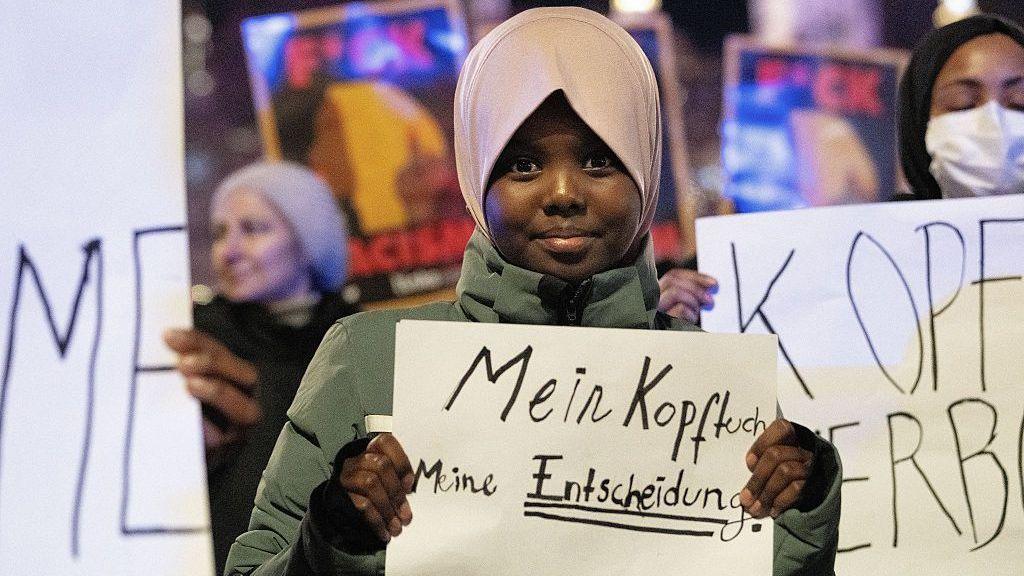
This is not the first floggings over hijab rules: Kurdish activist Roya Heshmati was also whipped 74 times for a photo without a hijab. The debate is part of a larger clash in Iran, where protests that began in 2022 after Mahsa Amini’s death showed women publicly rejecting mandatory veiling.
For many young Iranians, the story means digital battles and real‑world consequences collide – a reminder that a viral video can turn into a legal fight, and a fight for rights can feel like a costume drama on global screens.