In brief
In 1960 the Sharpeville massacre saw police open fire on peaceful protestors, killing 69 and wounding many. Survivors still struggle with lifelong injuries and trauma. Decades later thousands are joining a legal fight to overturn a 1961 indemnity law that shields police from court action. If successful, the case could bring reparations, healing and possibly criminal charges against surviving perpetrators.
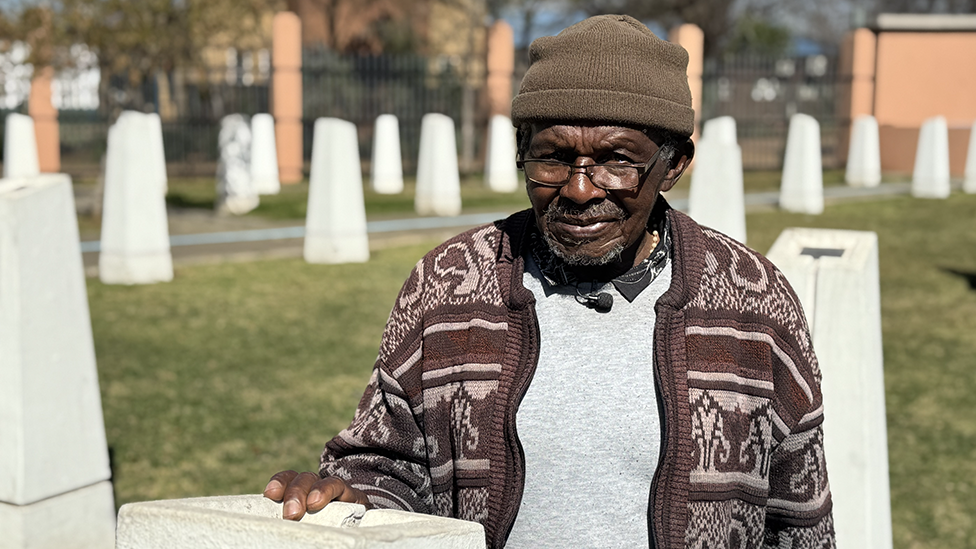
In South Africa’s history, the Sharpeville massacre on 21 March 1960 remains a brutal reminder of apartheid oppression. Police fired into a crowd of about 1500 protestors demanding reforms to the pass‑book laws, killing 69 and injuring many more—including 20‑year‑old Abraham Mofokeng, who still carries a bullet in his spine and a limp from a gunshot to his leg.
Sixteen years after the riots ended, a new law – the 1961 Indemnity Act – kept police officers immune from criminal or civil claims. That law stayed on the books even after South Africa’s 1994 transition to democracy, leaving survivors and families of the dead with no official path to justice.
Now a group called Lawyers for Human Rights, together with the UK firm Leigh Day, has filed a lawsuit in the High Court to declare the indemnity act unconstitutional under the 1994 Constitution. Their goal is to secure a class action against the state, so dozens of victims and relatives could sue for damages and trigger possible criminal charges against those still alive.
A key point of the case is reparations: survivors argue that the law keeps their suffering alive by preventing healing and fair compensation. The lawsuit could also “clean up” the legislation, according to professor Frans Viljoen, and finally close a dark chapter of South Africa’s past.
The battle is more than legal work; it is a symbol of the community’s resilience. Like the 69 pillars in the local Human Rights Precinct that mark each fallen protestor, the survivors are uniting to turn history into real, tangible justice. If the court agrees, the memory of Sharpeville may no longer be a painful reminder but a step toward complete healing for future generations.