In brief
Nearly 72,000 people entered Ceuta from Morocco last month, prompting angry protests and violent clashes with police as local residents fear for safety and public services. Madrid’s Socialists and the opposition blame each other for stoking tensions, while right‑wing politicians shout for harsher treatment of the new arrivals. The mayor of Ceuta insists the city’s dignity is at stake, and the government is debating moving migrants into public buildings—a plan that met with local pushback. The crisis underlines Morocco’s long‑standing claim to the frontier and the political fallout that follows. Step into Ceuta’s tense streets - where a blaze of protest and an international debate collide.
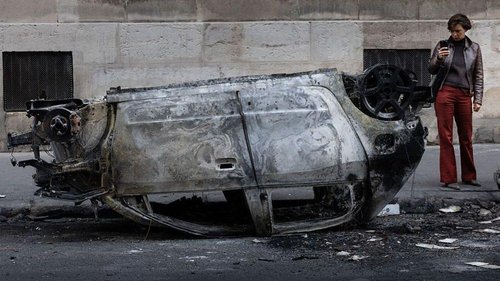
What’s happening in Ceuta? A week ago, almost 72,000 migrants swam past a border fence into the Spanish town of Ceuta, sparking protests and street fights. Local residents feel unsafe and worried about their clean water, food, and hospitals being stretched thin.
The Spanish govt. is under fire from both sides: left‑wing leaders say the handling was slow, while the far‑right claims the migrants are brutes. In response, the Madrid government tried to calm the situation and is looking to move migrants into former sports centres, but the local mayor says moving people closer would “raise alarms.”
Why it matters to you – this isn’t just a border issue; it’s a flashpoint for how nations treat newcomers and how local communities respond when they feel overcrowded. The headlines signal a new political clash – between the rival parties, the mayor, and a nation that’s both a part of Europe and a gateway to Africa.
What to watch next – watch for sharper restrictions, cheaper citizen‑opinions, and the potential for an updated immigration law. Ballots might get a bit more heated as Madrid tries to keep morale up for the people living on the frontline of migration.
Want to see the real moment? The BBC’s own video shows police shields and protest fire on Trampolín beach – it’s the raw footage you’ll get.