In brief
Scientists in France have identified the first known human case of the zoonotic Shamonda virus, which has mainly been a problem for cattle and other livestock. The patient, who was severely immunocompromised, died after a suspected midge bite. Authorities say there is no current risk to the general public, but the European Centre for Disease Prevention and Control is monitoring the situation closely and has alerted the WHO. The virus has already spread among farm animals across multiple European countries, raising concerns about cross‑species transmission. Researchers are scrambling to understand how the virus jumped from animals to humans and what steps are needed to protect people and produce.
First human case of the Shamonda virus (Shav) was detected in France early October, according to health officials. The patient, who had a severely weakened immune system, sadly died after the infection, which was linked to a midge bite.
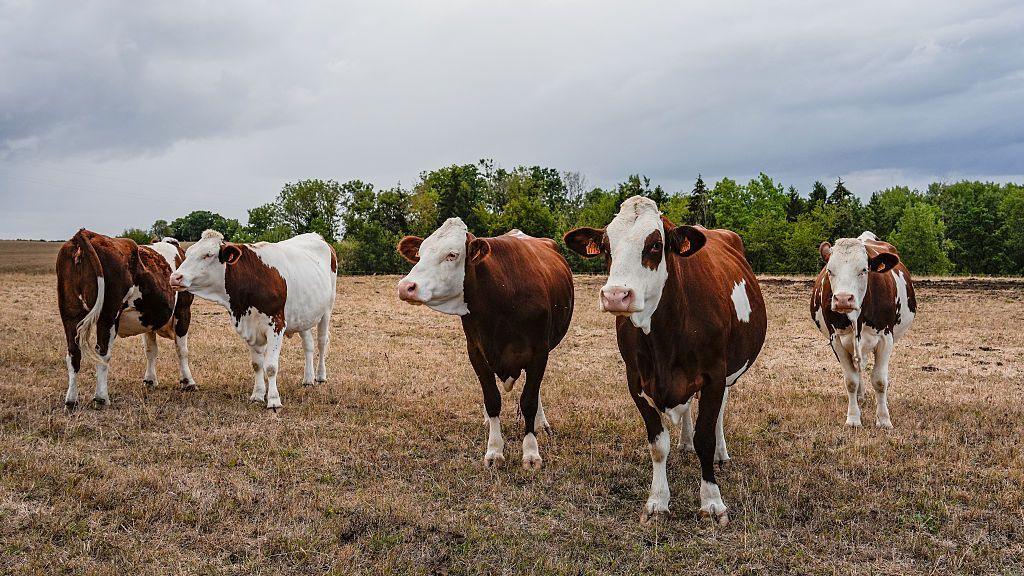
Shamonda has traditionally been a problem for cattle, sheep, goats, alpacas and horses. The virus causes fever, diarrhoea and reduced milk production in livestock, but had never been known to infect humans—until now.
The European Centre for Disease Prevention and Control (ECDC) is working with French and European partners to investigate potential public‑health implications and has reported the case to the World Health Organization.
The virus first appeared in animals in France’s eastern region in spring, and later spread to farm animals in Germany, Italy, Spain, Ireland and Jersey.
While there is no public risk at the moment, scientists are looking into how a virus that had long been confined to animals can jump to humans and what that means for farming communities and global health.
Stay tuned as experts work out whether the Shamonda virus could become another emerging threat that crosses species lines—and how we can keep our livestock—and us—healthy.