In brief
BBC reporter Liza Tambunan travels through central Kalimantan to uncover why peat fires create so much damage. Peat, a dense layer of water‑logged plant matter, acts like a super‑fuel that can smolder underground for months. The smoke carries toxic chemicals that drift across Southeast Asia, affecting millions in Indonesia, Singapore and Malaysia alike. Firefighters struggle to extinguish the deep‑rooted blaze, and the released methane worsens climate change. Scientists say only proactive land management and tighter fire‑control rules can break the cycle.
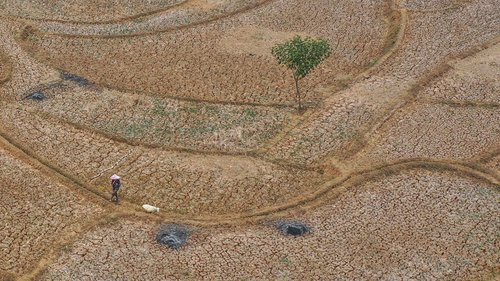
The last decade has seen an epic rise in smog across Southeast Asia, with the culprit emerging from the dry heart of Indonesia peatlands.
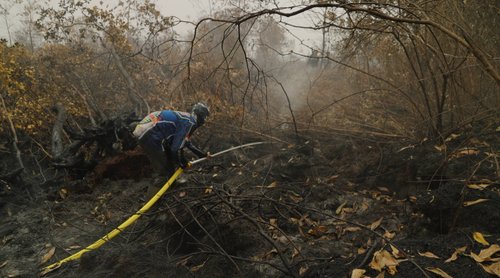
BBC reporter Liza Tambunan is making her way through central Kalimantan as Indonesia battles its worst wildfire season in ten years, trying to answer why the haze feels so heavy.
Peat is a dense, water‑rich soil made from half‑decomposed plants; once it dries it ignites like a sponge that feeds on itself and can continue to burn underground for months.
The smoke from these fires is not just orange; it carries toxic chemicals that travel across borders, choking millions in cities and even reaching the seas of Singapore and Malaysia.
Because the fuel is buried and moist, firefighters can only graze the surface, allowing the fire to hide deep below and keep emitting methane, the big greenhouse gas that warms the planet.