In brief
Brazil reports a historic fall in Amazon deforestation, dropping 41.8% this year to the lowest level since 1988. Left‑wing President Luiz Inácio Lula da Silva, who pledged zero illegal logging by 2030, reversed his predecessor’s policies. The drop comes just as Lula faces the runoff against Jair Bolsonaro’s son, Flavio, a close‑contest where forest protection is a major issue. The clearer skies and preserved habitats underscore how political will can protect climate‑critical ecosystems.
Brazil’s new administration has recorded the sharpest drop in Amazon deforestation since 1988, cutting losses by 41.8% this year.
President Luiz Inácio Lula, who took office in 2023 on a promise to end illegal clearing by 2030, is taking action in the run‑up to a crucial presidential runoff, where the forest’s fate is hot‑topic.
Under former President Jair Bolsonaro, Amazon deforestation surged as mining and logging pushed deeper into indigenous lands, and budgets for environmental protection were trimmed.
The new figures show a 23.8% drop in Brazil’s savanna region, the Cerrado, further proving the impact of stricter monitoring and heavy penalties for illegal logging.
Lula’s environment minister, João Paulo Capobianco, called the decline “absolutely stratospheric,” calling it a historic success for policy and planet alike.
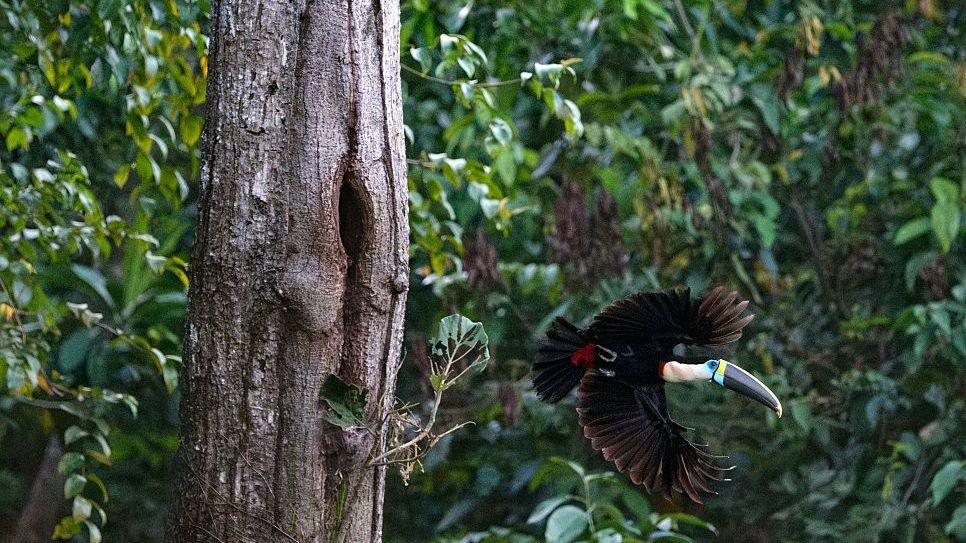
Scientists point to the Amazon’s vital role: a healthy rainforest captures and stores vast amounts of carbon, slowing climate change and supporting millions of species.
“With political will, it’s possible to curb deforestation and carbon emissions,” declared Marcio Astrini, a climate‑advocacy expert, echoing the government’s ambition for zero loss by 2030.
In the new decade, Brazil’s score on environmental stewardship will likely influence voter sentiment as the two candidates debate their future plans for the jungle.
Read more on how this record drop might shape the upcoming election and Brazil’s global standing in climate action.