G7 Flushes Out 100 Million Barrels of Oil to Beat Diesel Rush
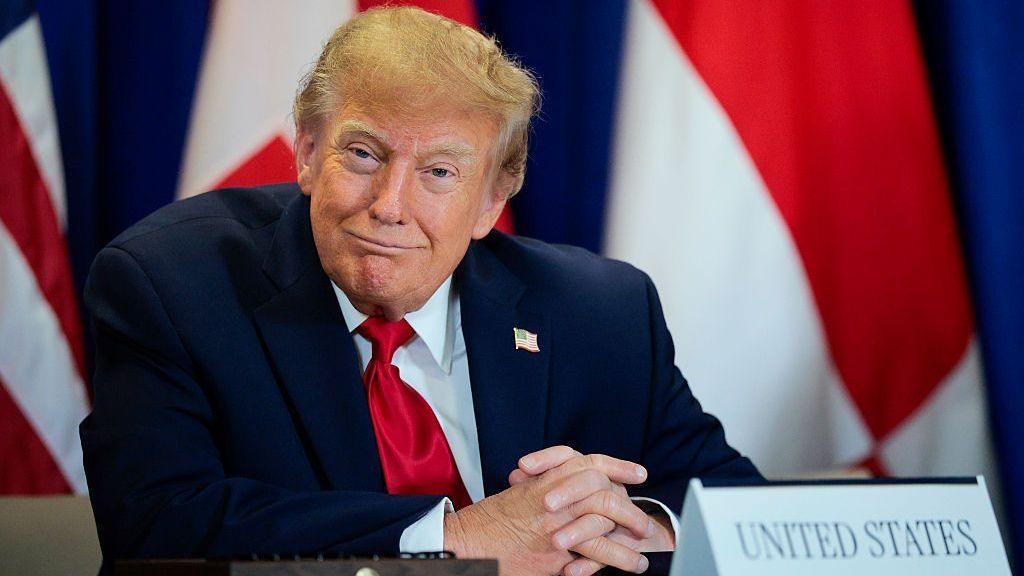
When U.S. President Donald Trump hinted at banning diesel exports to cushion American fuel costs, the seven biggest economies chimed in with a bold counter‑move: they will dump 100 million barrels of oil and diesel into the market over the next four months.
The plan, coordinated by the International Energy Agency (IEA), starts right away and “front‑loads” the diesel release in the first 20 days—meaning a significant drop in diesel supply and a chance for prices to cool.
Macron, who presided over the G7 meeting, said the action would “stabilise energy supplies, build resilience in supply chains and shield households and businesses from price shocks.” The G7—made of the US, UK, Canada, Japan, Germany, Italy, France and the EU—agreed to avoid export bans, a point Trump himself highlighted as a bright spot.
Oil traders saw a VIP moment when Brent crude fell just under $100 per barrel after the announcement, although it quickly rebounded to around $102. The move is still pending which nations will tap their reserves first.
At a time when Russia’s own diesel exports are curtailed by sanctions and Middle‑East tensions block crude flow, the G7’s coordinated release aims to keep fuel pumps stocked. Europe relies heavily on U.S. diesel—31 % of the UK’s diesel imports come from America, with over half of the UK’s diesel imported overall.
With U.S. refineries producing 4–5 million barrels of diesel each day, but only 3.6 million barrels used domestically, roughly 1.2–1.5 million barrels are exported daily, making America a key global supplier.
The G7’s strategy also includes coordinating refinery maintenance to avoid multiple plants shutting at once, and encouraging any member with spare capacity to ramp up diesel refining.
In practical terms, the move should help curb the rapid rise of diesel prices—currently topping £2 a litre in the UK—and protect households and the haulage and agriculture sectors that depend on affordable fuel.