Everyday Danger: Gaza’s Ongoing Violence Despite a Ceasefire

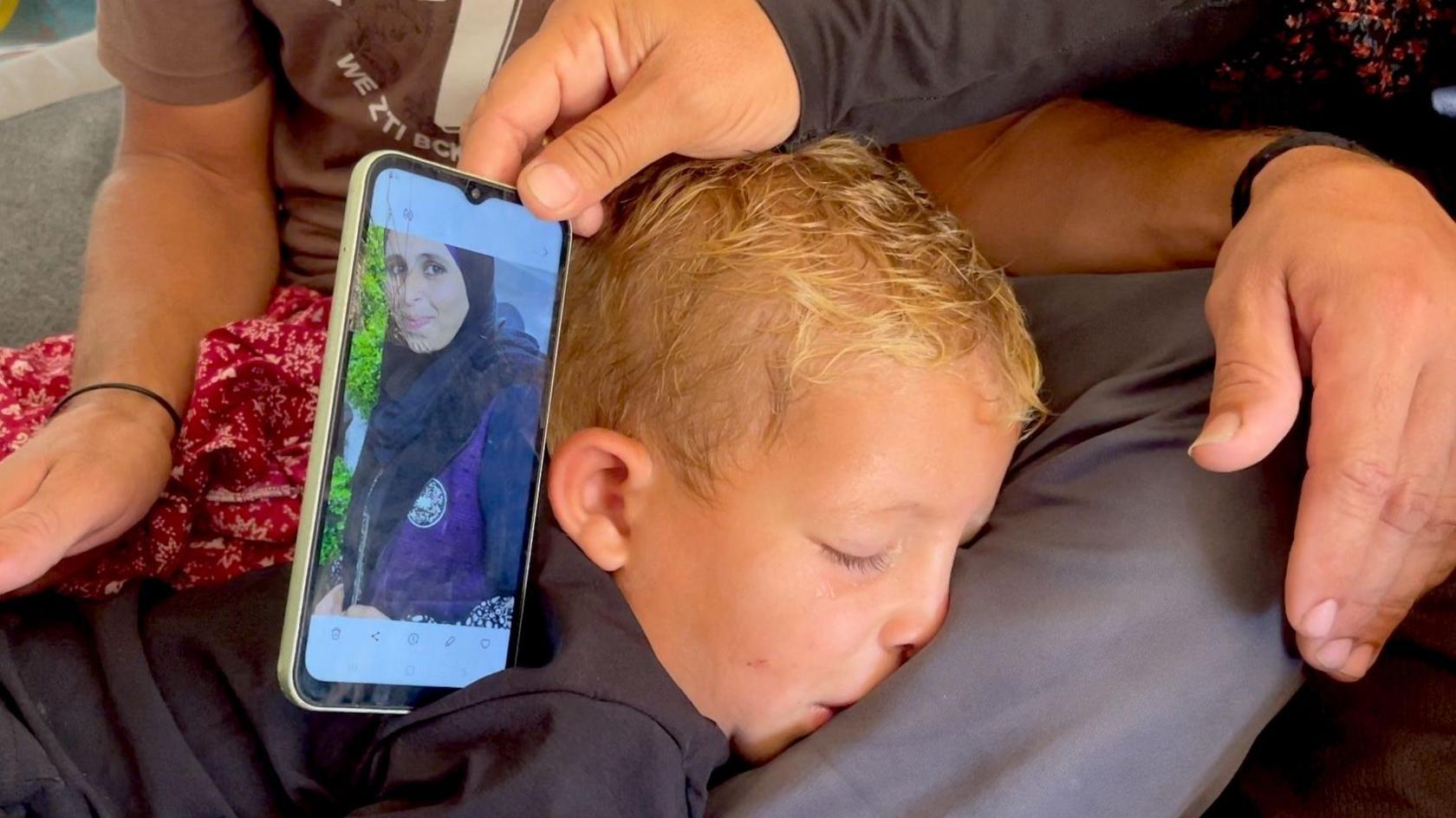
In a small tent in central Gaza, Fida al‑Toutah was a mother of five, quietly combing her daughter’s hair before the sound of gunfire shattered the calm, sending her son’s heart into a panic.
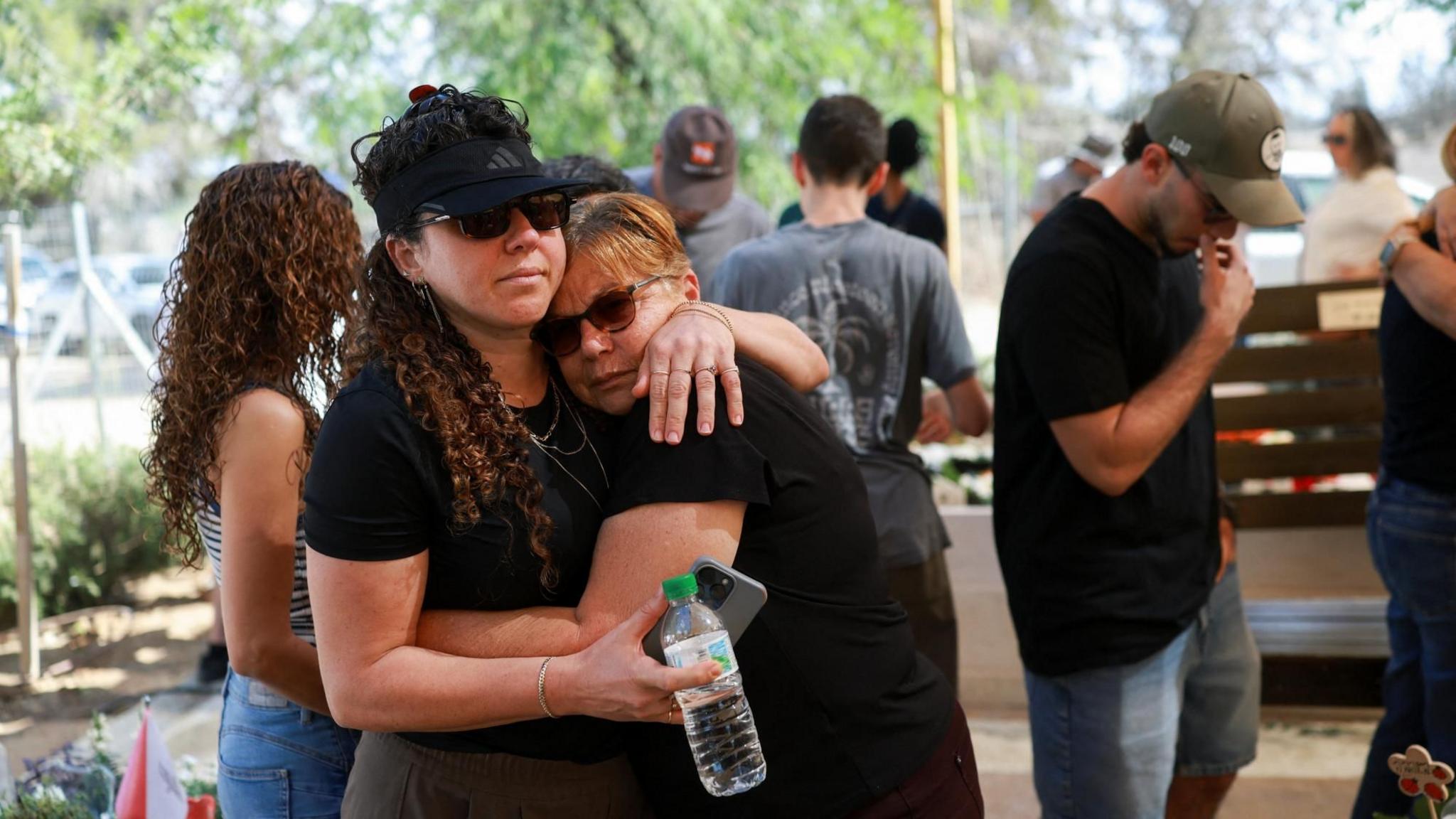
She was killed a month ago when a shell struck her head—her death adds to the more than 1,400 Palestinians who have succumbed to Israeli attacks, even after a ceasefire brokered last year.
The “truce” meant heavy bombing stopped and aid flowed in, yet the rocket fire that follows the agreement continues to haunt Gaza’s residents, with over 30 people killed last week alone.
Fida’s husband, Ahed, says the killings don’t stop; “Every day there is shooting, every day there is killing.” His words echo many families who have moved five times in a single year, yet never found a safe place.
Beyond the violence, reconstruction has stalled because of political disagreements; Gaza’s health ministry says that the pause in fighting hasn't made it any easier to bring builders back, as Israel tightly controls supplies.
Stories like Fida’s are a stark reminder that war’s toll goes beyond the battlefield—families live in tents, children suffer from cold, and hopes for a fresh start are still fragile.