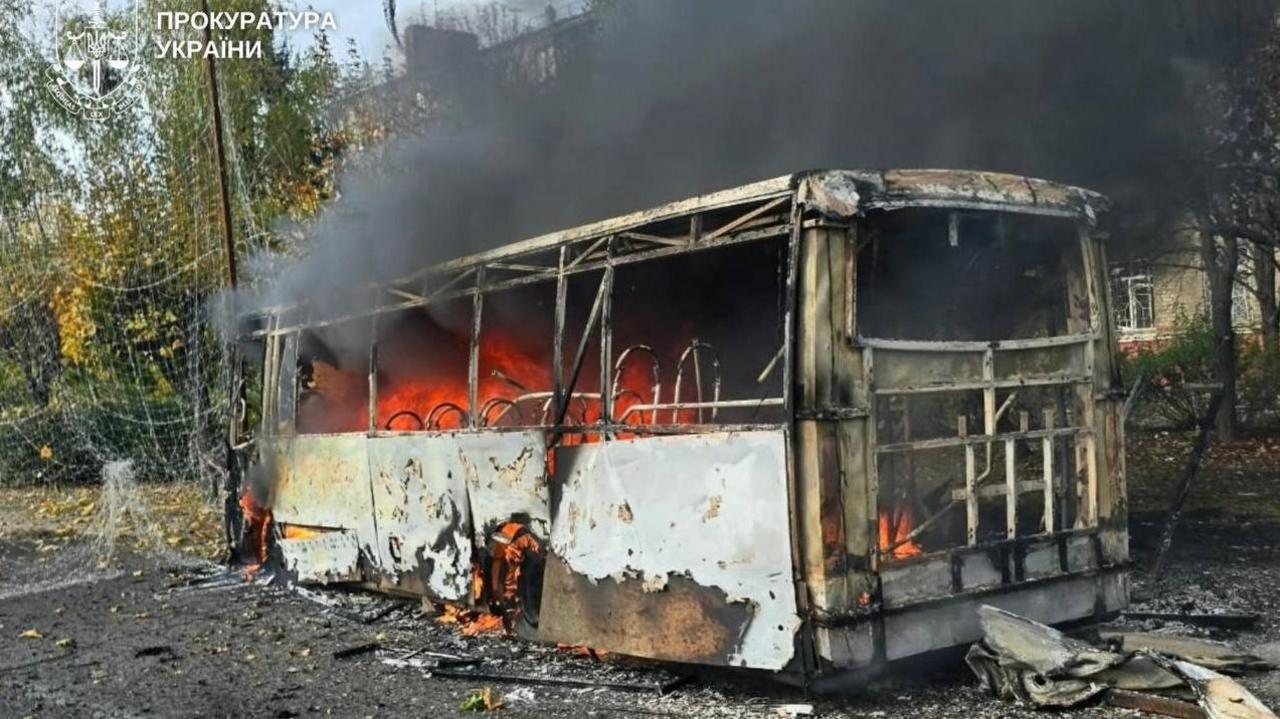
Buses hit by Russian glide bombs: 33 people killed
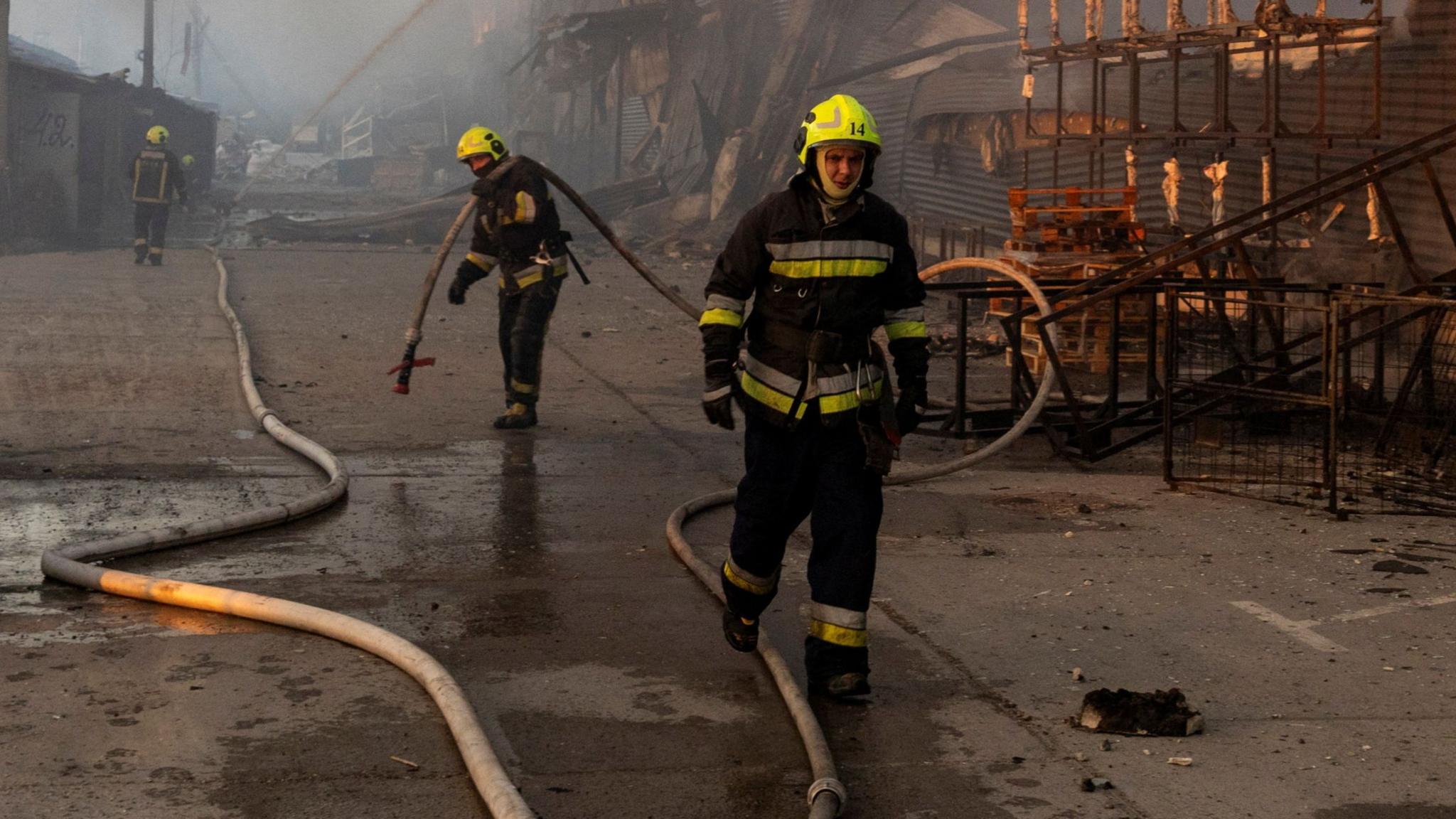
In Kramatorsk, a frontline city in the Donbas, a Russian glide bomb slammed into two civilian buses, killing 33 people and injuring 18 more.

Kramatorsk and nearby Slovyansk are in a “fortress belt” that Russia wants to take to control the industrial Donbas region. The bomb, a glide type that flies on winglets before impact, is a new weapon in Moscow’s arsenal.
The strike follows a dramatic surge in attacks across Ukraine. Sirens have been sounding all day in Kyiv as Russian air raids grow more frequent, and the United Nations reports that the number of civilians killed by August this year exceeded the total for all of 2025.
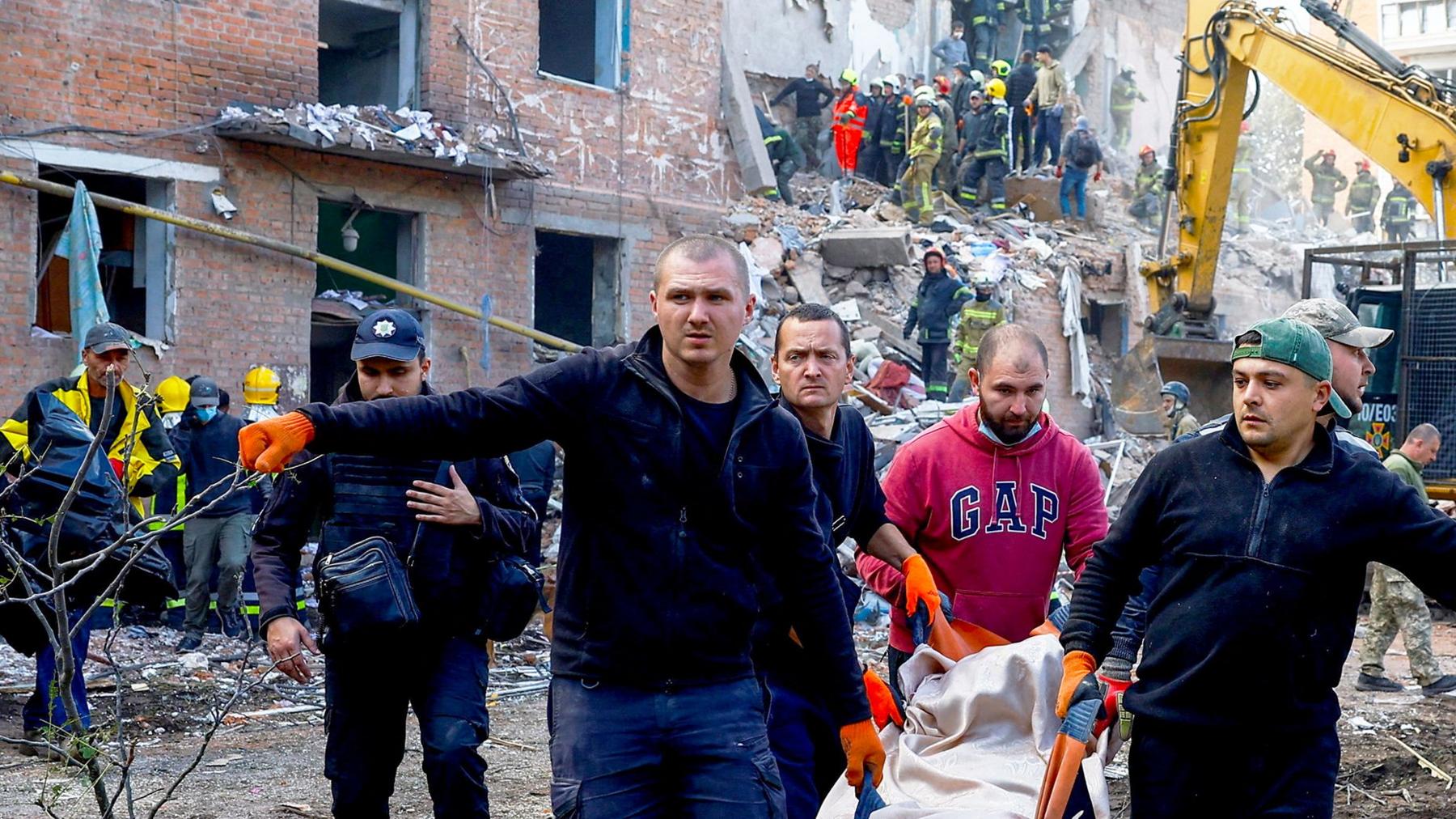
One of the deadliest recent attacks was on a five‑storey block of flats in Pryluky east of Kyiv, where 22 people, including five children, were killed on a single morning. Three of the children were just one year old.
Officials say the buses were fully occupied. Donetsk regional head Vadym Filashkin criticised the Russians for choosing a civilian target and urged people still in the region to flee to safer parts of Ukraine.
Filashkin added that all public transport has been stopped in Kramatorsk and Slovyansk, emphasizing that “we have no right to risk the lives of passengers and drivers.”
The Russian invasion began on 24 February 2022, with the Kremlin citing the “liberation” of Donbas and the protection of Russian‑speaking populations. While most of Luhansk is now under Russian control, Ukraine still holds 20% of Donetsk.
President Volodymyr Zelensky has issued a call for new defence packages, stressing that international partners must act concretely to shield Ukrainian civilians. He also warned of a possible Russian onslaught based on intelligence and urged citizens to seek shelter in underground stations.
In the face of escalating drone and missile attacks, the front lines of Ukraine are becoming unrecognisable, while ordinary citizens grapple with everyday danger.