Hey news junkies, here’s the latest: Kyiv’s big‑name Pivnichnyi (Northern) Bridge got hit for the second day-running in a drone attack, and just as the hail of headlines hit the traffic lights, German chancellor Friedrich Merz stepped off a train into the city. Urban decay meets diplomatic drama, all in one day.
Why it matters: The bridge is one of the city’s main arteries, linking western and eastern sides of the Dnipro River. Damaging it isn’t just a Tuesday problem; it threatens supply lines, weapons caches and even emergency services. Moscow’s recent spike in drone strikes on these bridges is a tactical push to choke Kyiv’s logistics.
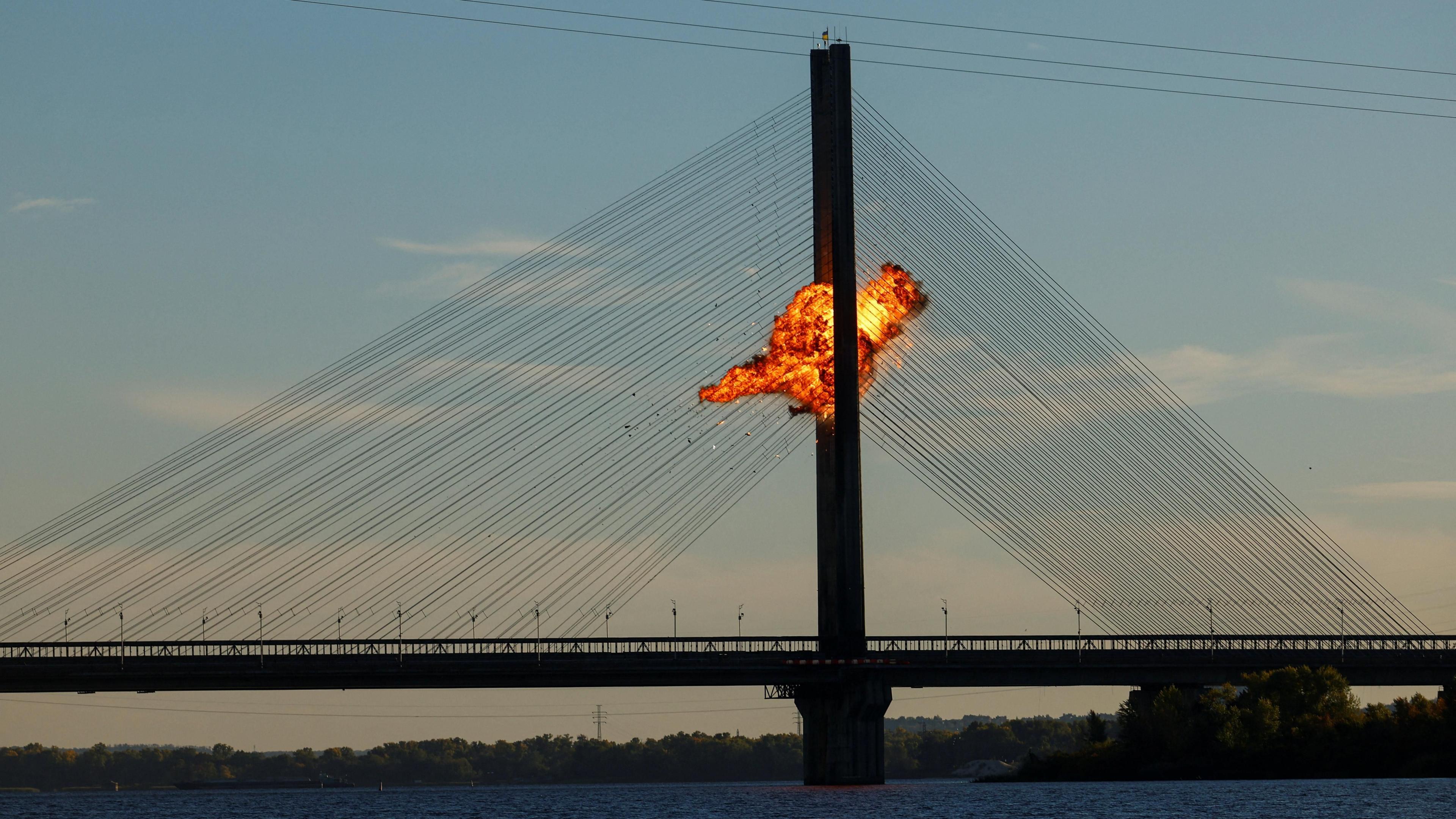
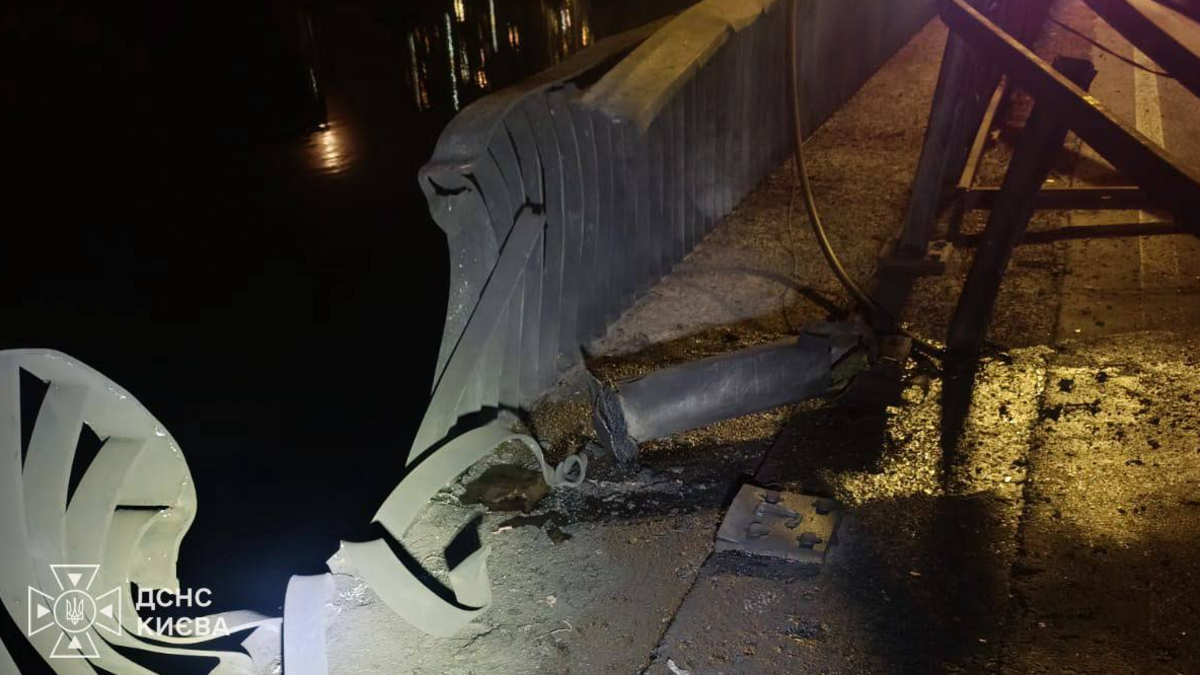
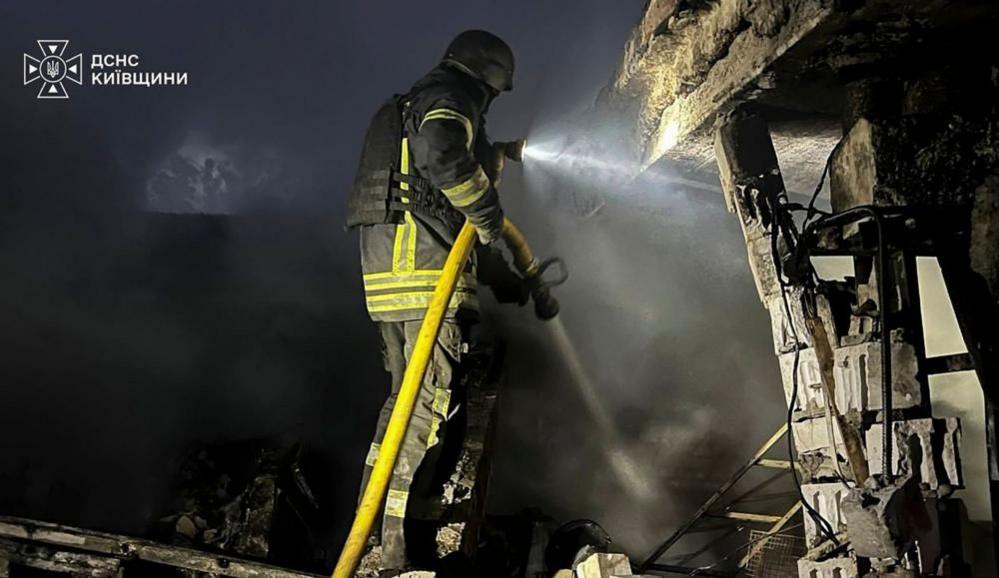
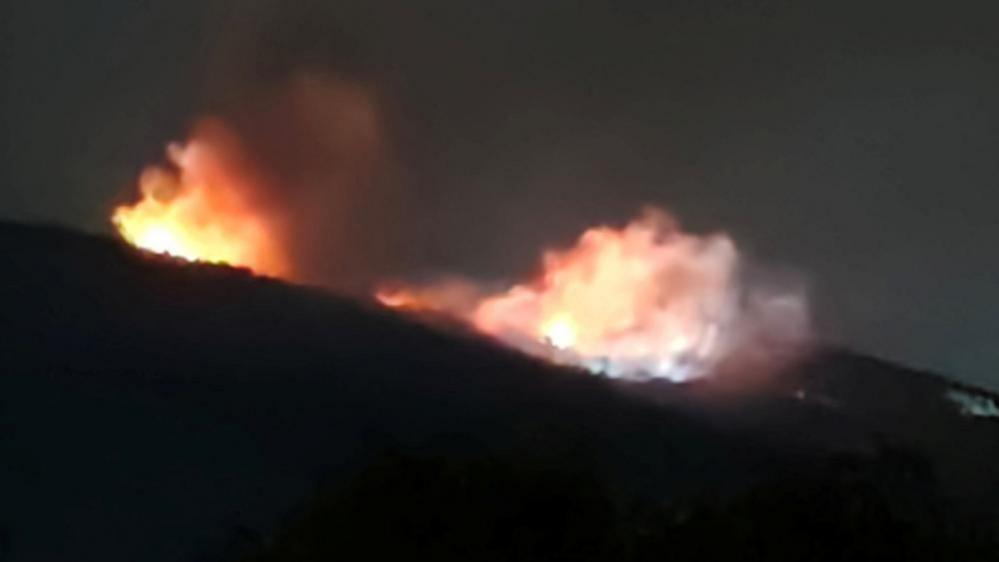
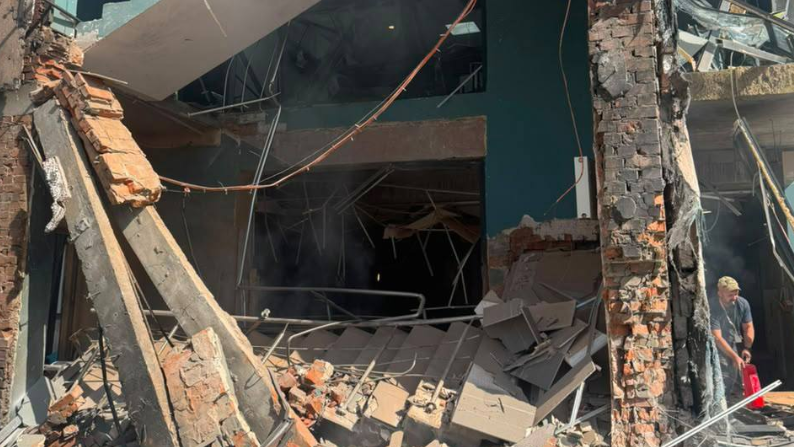
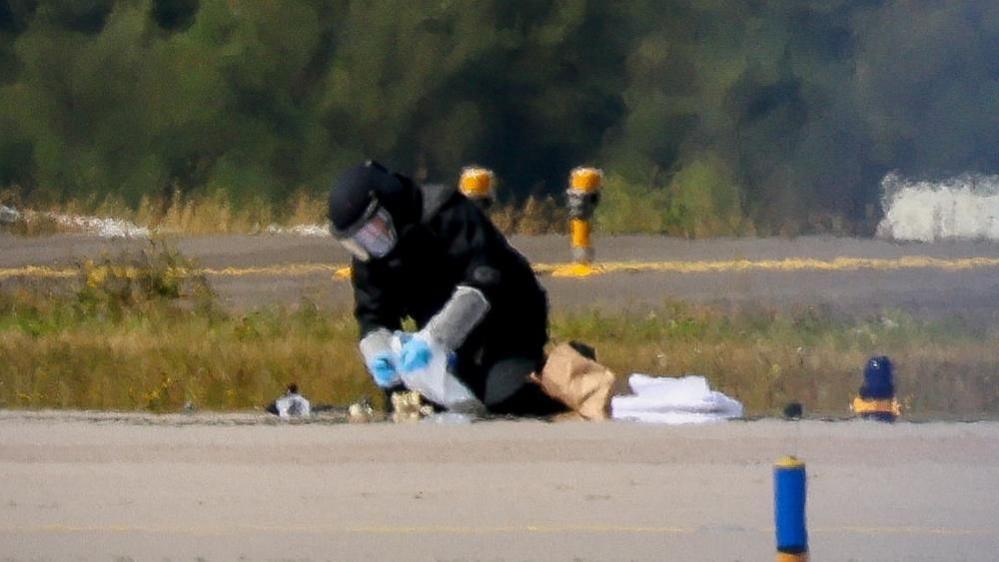
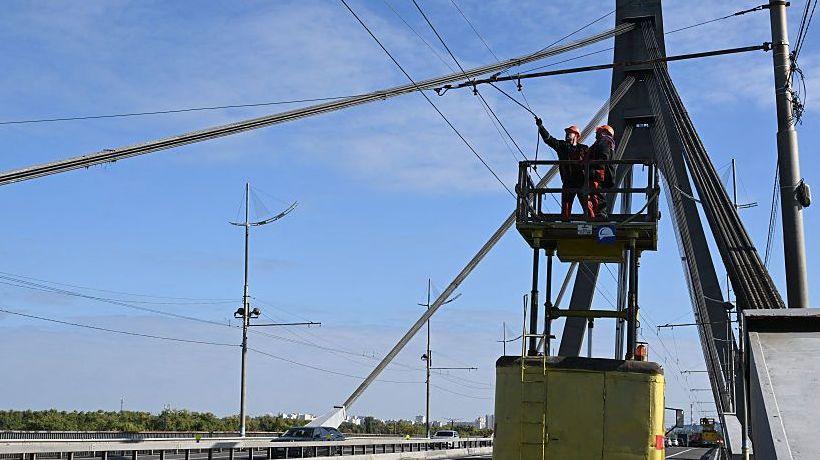
Video clips from Ukrainian police show a drone crashing into the bridge, sparking a fireball and black smoke. Emergency crews raced to the scene, and city mayor Vitali Klitschko added that the strike also hit a heating main, meaning the north‑eastern Desnyanskyi district might lose hot water for a while.

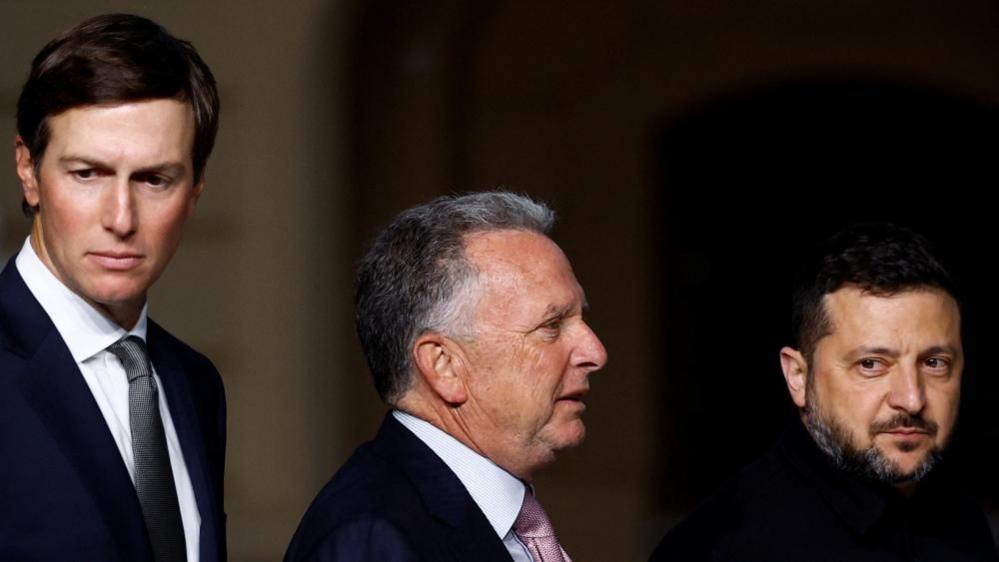
While engineers are scrambling to patch the damage—overhead trolleybus wires are having a rough time—the news bulletin from Merz is different. In a short X tweet he said, “You can rely on us. Germany’s security also depends on the outcome of this war. That is why we are helping out of our own self‑interest as well.” The chancellor’s surprise visit, arriving on the city’s train tracks, is a clear signal that the European giant still has a stake in Ukrainian stability.
If you’re following the war front, keep an eye on remaining bridges. Experts say drones haven’t yet taken down the spans, but repeat strikes could force closures that risk weakening the structure for real. Moscow’s warning to foreign nationals to leave Kyiv adds a personal risk element for travellers seeking to cover the frontlines.
Click here for live updates and more behind‑the‑scenes footage. Stay safe and keep your news feed up to speed!