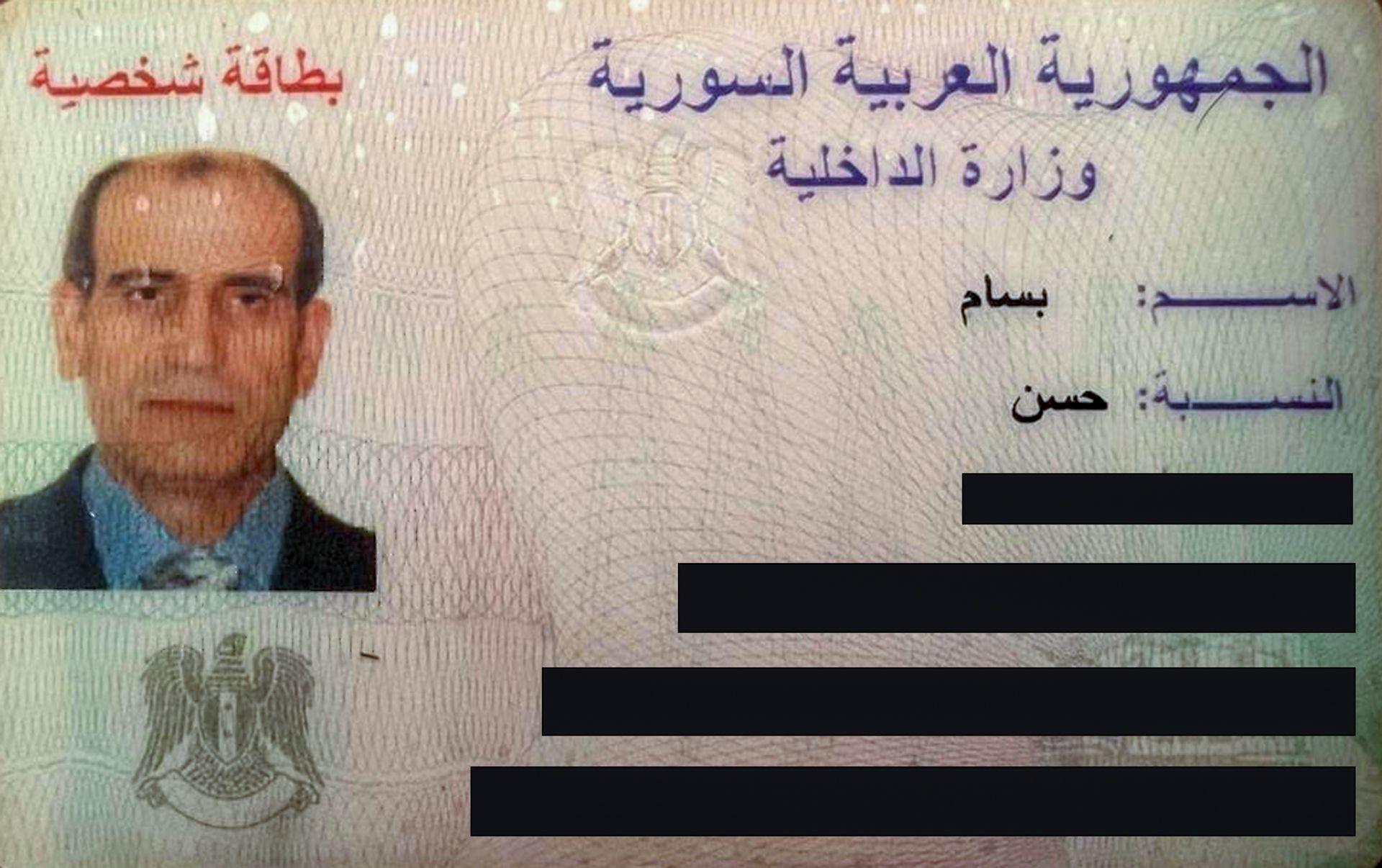
A Syrian general named Bassam al‑Hassan, who ran Syria’s chemical weapons programme and was a close aide to President Bashar al‑Assad, is still alive – and protected – in Lebanon. A BBC investigation revealed that the United States and Lebanese security services are providing him with housing, money and a passport in return for information concerning the 2012 abduction of American journalist Austin Tice.
Tice vanished in a desert town in Syria after the country’s new government collapsed in December 2024. The BBC found that Hassan was part of the chain of command that orchestrated the kidnapping – a “planned operation” according to official accounts.
While the Syrian and new‑government officials want the former general extradited to face trial, the FBI insists he is kept in Lebanon to keep the intelligence flow alive. The US reportedly channels money through intermediaries to avoid detection, even though Hassan is on the US sanctions list.
Other former regime figures linked to the Tice case – such as Mohammad Makhlouf and his nephew Sakr Rustom – have also found refuge in Lebanon or the UAE, allegedly under US “patronage.” The knowledge he holds, from chemical‑weapon secrets to the details of Tice’s detention, is seen as valuable intelligence for the US and its allies.
Human‑rights activists accuse U.S. taxpayers of indirectly funding a war criminal. “If what you are saying is true, the fact that our tax dollars are being used to furnish a comfortable life for someone … is offensive,” said Phil Elwood, spokesperson for Tice’s family.
For now, the agreement – proven in a meeting between US officials, Lebanese security and the general’s representatives – remains in place. Backers worry it could last “indefinitely,” with limited progress on Tice’s case, while authorities insist they are working to bring justice for the victims of Syria’s chemical‑weapon attacks.
Learn more about the investigation and the story behind Tice’s disappearance in the full BBC feature.