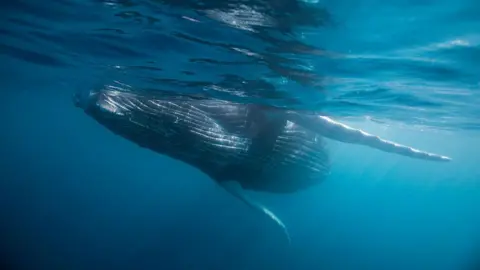
Scientists uncover the world's deepest whale graveyard
For the first time ever, researchers have mapped a giant whale cemetery that stretches 1,200 km (745 miles) across the depths of the Indian Ocean. This 7‑km (4‑mile) deep site was found inside the Diamantina fracture zone, a rugged sea‑floor area full of ridges and trenches.
The graveyard isn’t just big – it’s ancient. Some of the bones date back to 5.3 million years, a period when the world’s seas looked very different. The discovery opens a window into how whale populations and the deep‑sea food web evolved over millions of years.
During 32 dives, scientists collected samples from 485 sites and found an incredible array of remains. Highlights include:
- The beaked whale Pterocetus benguelae—a fossil skull dating to 5.3 million years ago.
- The five‑metre Antarctic minke whale, the largest specimen that has ever been retrieved.
- A brand‑new species that the team named Pterocetus diamantinae, in honor of the site.
The site is thriving with jellyfish, worms and crustaceans thriving on the remains and creating a bustling underwater community. That means the graveyard isn’t just a fossil museum—it's a living ecosystem.
One of the study’s authors, Xiaotong Peng, said the size, depth and age “were far beyond anything we had imagined.” Even Stephen J. Godfrey from the Calvert Marine Museum described it as “a truly unique discovery” that will inspire more submersible dives into similar environments.
The find promises exciting new scientific discoveries, with the chance to learn more about deep‑sea life and how ancient whale populations shaped the ocean. Future research may reveal untold secrets buried beneath the waves.