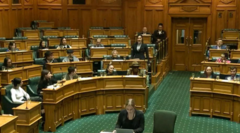
In a dramatic turn of events, New Zealand's parliament has suspended three Māori MPs for performing a haka—a traditional Māori dance of defiance—during a parliamentary sitting last year. Opposition MP Hana-Rawhiti Maipi-Clarke, who instigated the haka after a query about her party, Te Pāti Māori, received a seven-day ban. In contrast, the party's co-leaders, Rawiri Waititi and Debbie Ngarewa-Packer, were handed 21-day bans. This act of protest arose over a controversial bill that aimed to redefine New Zealand's founding treaty with Māori people but was ultimately voted down.
Although New Zealand is often praised for its commitment to indigenous rights, the relationship with the Māori community has soured in recent years, particularly under the current conservative government. The haka, which gained international attention when a video of the trio went viral last November, is typically used to express unity and strength, especially at sports events. A parliamentary committee concluded that the performance may have "intimidated" other lawmakers, resulting in these unprecedented suspensions.
Maipi-Clarke gave an emotional defense during the parliamentary debate, declaring, "We will never be silenced, and we will never be lost," and questioning whether their vocal opposition is the reason for their punishment. Tensions rose further when New Zealand's Foreign Minister Winston Peters referred to the Māori party as a "bunch of extremists," further igniting controversy.
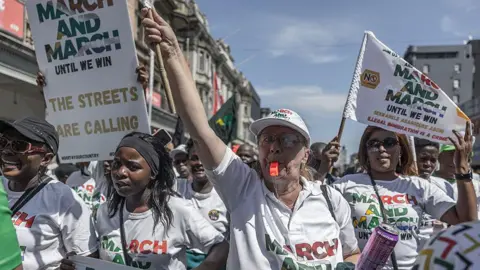
The contentious Treaty Principles Bill, which sought to legally clarify the principles of the Treaty of Waitangi from 1840, was widely criticized for potentially leading to racial division rather than unification. It prompted large protests, with over 40,000 people rallying outside parliament, showcasing the significant discontent within the community regarding the government’s approach to Māori rights and representation.