In brief
A recent case highlighted potential risks from misused menstrual cups, prompting doctors to advocate for proper fitting and guidance to ensure safe use.
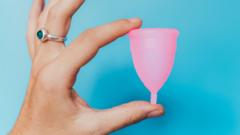
Doctors are raising alarms about the safe use of menstrual cups after a 30-something woman suffered from temporary kidney problems due to misalignment of her cup. She had been enduring persistent pelvic pain and blood in her urine but didn’t correlate the issue with her menstrual cup—an increasingly popular and eco-friendly alternative to pads and tampons. Medical professionals explain that, while rare, an incorrectly positioned cup can compress nearby structures such as the ureters, leading to complications. Key factors in safe cup usage include choosing the right size and inserting it accurately. The patient has since recovered, but experts urge the importance of clear guidelines when purchasing menstrual cups, which can be acquired without medical consultation.Menstrual cups are convenient: they can hold up to 30ml of blood, are made from flexible materials, and can be reused safely. However, first-time users often struggle with removal since a suction seal is created when inserted correctly. Physiotherapist Dr. Kate Lough from the British Medical Journal advises squeezing the base to break the seal rather than pulling on the stem. Choosing the right cup is essential as options vary widely. Women who have recently had a contraceptive coil fitted should take care, as there is a risk of dislodging it during insertion or removal. Similarly, menstrual discs, which sit higher in the vaginal canal, might also affect a coil. Always consult a healthcare professional if any concerns arise. Staying informed and cautious is crucial for a positive menstrual cup experience!