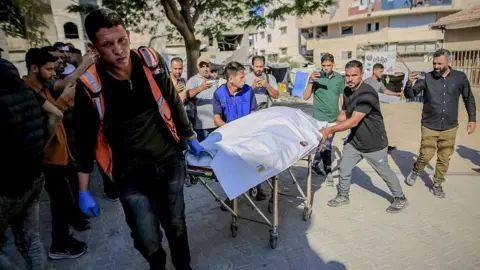
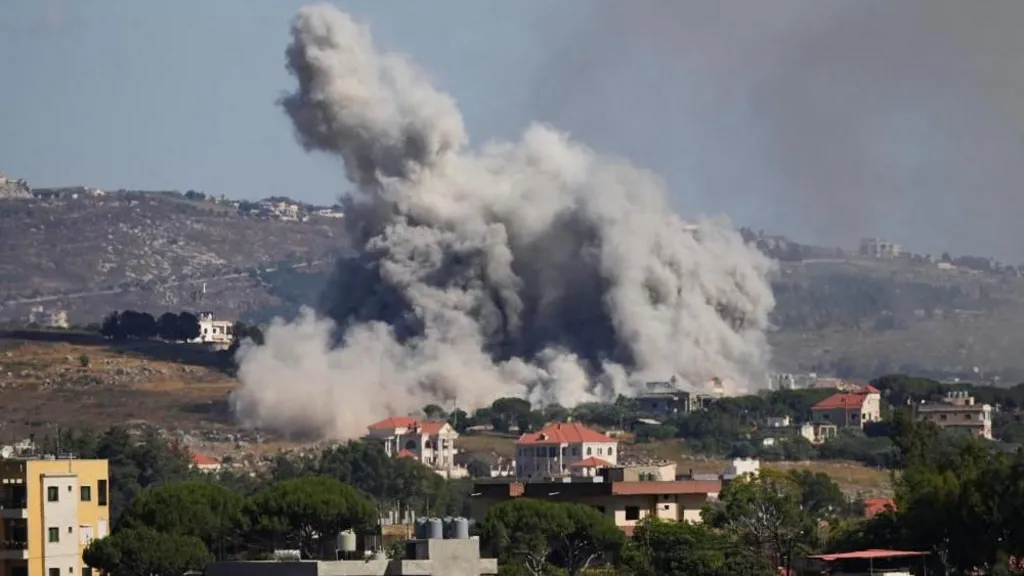
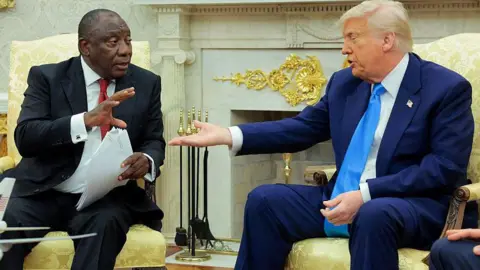
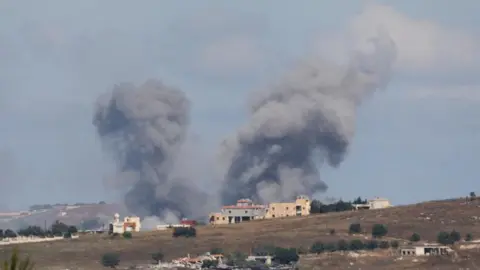
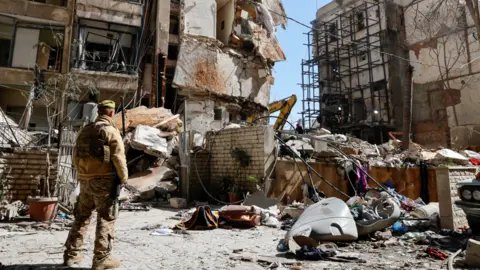
The guns were supposed to have fallen silent. It was, after all, just hours after US President Donald Trump had announced that a two-week ceasefire had been agreed to halt the war in the Middle East. But just as the region was breathing a sigh of relief, Israeli jets conducted a 10-minute blitz across Lebanon - a massive aerial attack that killed at least 203 people and wounded more than 1,000 others, according to Lebanon's health ministry. Local and Western condemnation was swift and widespread, but no criticism came from the US against its ally in this war. Iran said this was 'a grave violation' of the ceasefire deal and has asked the US to halt the Israeli 'aggression'. Lebanese officials say more than 1,700 people have been killed since Israel launched its latest campaign in Lebanon last month. Israel has said its operations are aimed at weakening Hezbollah and achieving what it calls remaining military objectives. The war began with US and Israeli strikes on Iran on 28 February - prompting retaliation from Tehran against US allies in the Gulf, and from Iran's proxies - Hezbollah in Lebanon and the Houthis in Yemen - against Israel. In response, Israel began striking Hezbollah and even ordered its troops to occupy large parts of Lebanon.
A Ceasefire Turned Deadly: Israel's Surprise Attack on Lebanon
A Ceasefire Turned Deadly: Israel's Surprise Attack on Lebanon
Just when Lebanon thought peace was on the horizon, a sudden Israeli airstrike killed over 200 people and raised tensions once again.
Lebanon was reeling after Israel launched a surprise air strike across its territories, despite a recent ceasefire announcement. This unexpected attack resulted in a significant loss of life, drawing swift condemnation internationally, but not from the US, which remains an ally of Israel. Tensions have escalated since the beginning of the war, with heavy civilian casualties and responses from Hezbollah. Lebanese officials estimate over 1,700 casualties since hostilities resumed.