In brief
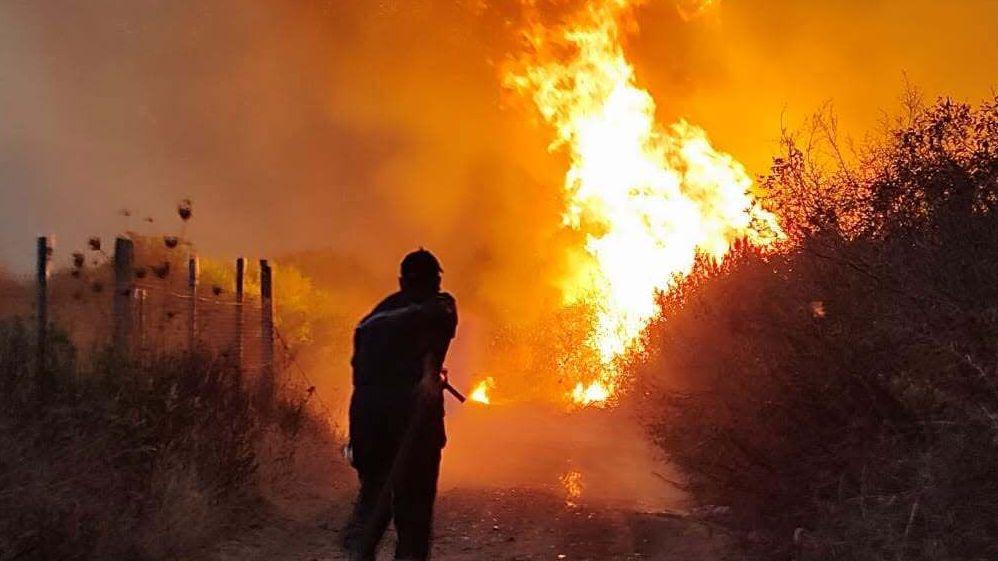
Algerian President Abdelmadjid Tebboune is demanding that the death penalty be re‑introduced for arsonists amid a surge of wildfires that have killed at least 12 people. He has ordered the justice ministry to draft amendments that would make intentionally starting a forest fire punishable by execution, although executions have not occurred since 1993. Over a hundred fires have raged in the north‑east, most of which were extinguished, but the president hinted at foul play and called for investigations. A deadline of 15 September has been set to enact the new law, replacing the current maximum penalty of 30 years or life imprisonment. Experts note that climate change is intensifying similar blazes across Africa.
After a series of deadly forest fires that killed 12 people, Algerian President Abdelmadjid Tebboune is pushing for the death penalty to be reinstated for arsonists. He has sent the justice ministry on a mission to draft amendments that would make intentionally starting a forest fire punishable by execution—an option that hasn’t been used since 1993.
More than 100 wildfires were recorded in the north‑east, most of them quickly extinguished, yet the president has warned that foul play cannot be ruled out and called for thorough investigations.
A strict deadline of 15 September has been set for the new law to be adopted, replacing the current maximum penalty of 30 years or life imprisonment. The aim is to make the consequences for arson tough enough to deter future attacks.
Wildfires are a regular summer threat in Algeria, but scientists say climate change has made them more intense and deadly. In addition to the death penalty debate, president Tebboune announced compensation for families and repair of damaged homes.
Quick Quiz:
What is the current maximum penalty for arson in Algeria?
None 30 years Life imprisonment
Show Answer