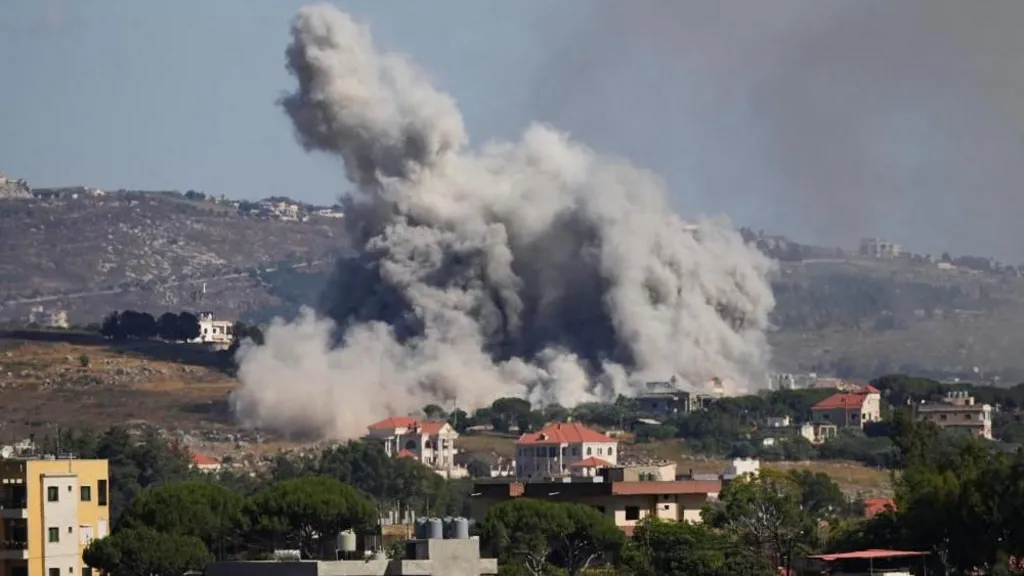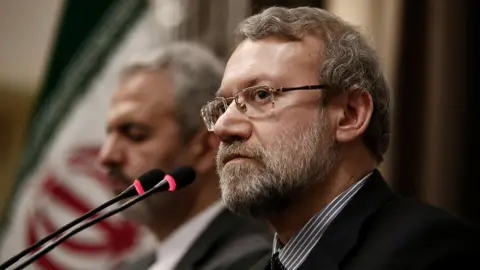
The recent airstrike which killed Iran's security chief, Ali Larijani, has removed one of the Islamic Republic's most experienced and influential policymakers at a critical moment. Larijani was not a military commander, but he was a central figure in shaping Iran's strategic decisions. As secretary of the Supreme National Security Council, he sat at the heart of decision-making on war, diplomacy, and national security. His voice carried weight across the system, particularly in managing Iran's confrontation with the United States and Israel.
Following the assassination of Supreme Leader Ali Khamenei on February 28, Larijani took a defiant stance, indicating Iran's readiness for a prolonged conflict. His death, now confirmed by state media, follows the broader trend of eliminating several senior Iranian officials in recent weeks, hinting at a deliberate effort to undermine Iran's leadership structures during wartime.
Despite his hardline stance against the West, Larijani was considered a pragmatist, coupling ideological commitments with a strategic approach. He was deeply skeptical of Western engagement but played a role in Iran's long-term cooperation with China. At the time of his death, he was managing three pressing crises: the ongoing war, domestic unrest stemming from economic grievances, and stalled nuclear negotiations with the West.
His removal leaves unresolved issues and hands over leadership to an uncertain successor amidst fragile circumstances. Observers predict that Iran's military influence may grow, potentially leading to quicker but less coordinated decision-making. Overall, Larijani's death exacerbates an ongoing leadership crisis, directly impacting both Iran's military conflicts and the state's stability.
Following the assassination of Supreme Leader Ali Khamenei on February 28, Larijani took a defiant stance, indicating Iran's readiness for a prolonged conflict. His death, now confirmed by state media, follows the broader trend of eliminating several senior Iranian officials in recent weeks, hinting at a deliberate effort to undermine Iran's leadership structures during wartime.
Despite his hardline stance against the West, Larijani was considered a pragmatist, coupling ideological commitments with a strategic approach. He was deeply skeptical of Western engagement but played a role in Iran's long-term cooperation with China. At the time of his death, he was managing three pressing crises: the ongoing war, domestic unrest stemming from economic grievances, and stalled nuclear negotiations with the West.
His removal leaves unresolved issues and hands over leadership to an uncertain successor amidst fragile circumstances. Observers predict that Iran's military influence may grow, potentially leading to quicker but less coordinated decision-making. Overall, Larijani's death exacerbates an ongoing leadership crisis, directly impacting both Iran's military conflicts and the state's stability.