In brief
In 1993, BBC correspondent Allan Little met Bosnian Serb commander Ratko Mladić at a Sarajevo barracks. The interview revealed Mladić’s enthusiasm for the conflict and his belief in a “brotherhood” of unity. The meeting, years before Mladić’s later crimes—including ethnic cleansing and genocide in Srebrenica—provides a chilling glimpse of how a future war criminal was first seen by a journalist. Little’s story also connects personal loss, such as the death of his cameraman, to the broader horrors of the Balkan wars.
A Journalist’s Encounter with a Future War Criminal
Allan Little was in Sarajevo’s Lukavica barracks in the summer of 1993 when he first met Ratko Mladić, a Bosnian Serb commander who would later be dubbed the “Butcher of Bosnia.” The meeting occurred at a time when the city was under siege and weapons were as common as breakfast.
Little described Mladić as confident and “pumped up” by fighting near the city center. The commander’s hand on Little’s forehead made a lasting impression, as did his belief that he was a defender of “brotherhood and unity.”
Years later, Mladić’s forces would perpetrate horrific crimes that would become the worst on European soil since World War II. They carried out mass killings, rapes, expulsions, and the infamous Srebrenica genocide.
Alongside the encounter, Little faced personal tragedy: his cameraman, Tihomir Tunukovic, was killed by a friend‑of‑the‑enemy while driving on a ridge. The loss of a colleague deepened Little’s sense of the war’s brutality.
This recollection reminds us that even those who later commit atrocities were once ordinary soldiers—capable of ordinary encounters with journalists who are trying to remember the human side of conflict. It also highlights how a war reporter’s front‑line story can help us remember that the horrors of war are a human tragedy, not a distant abstract.
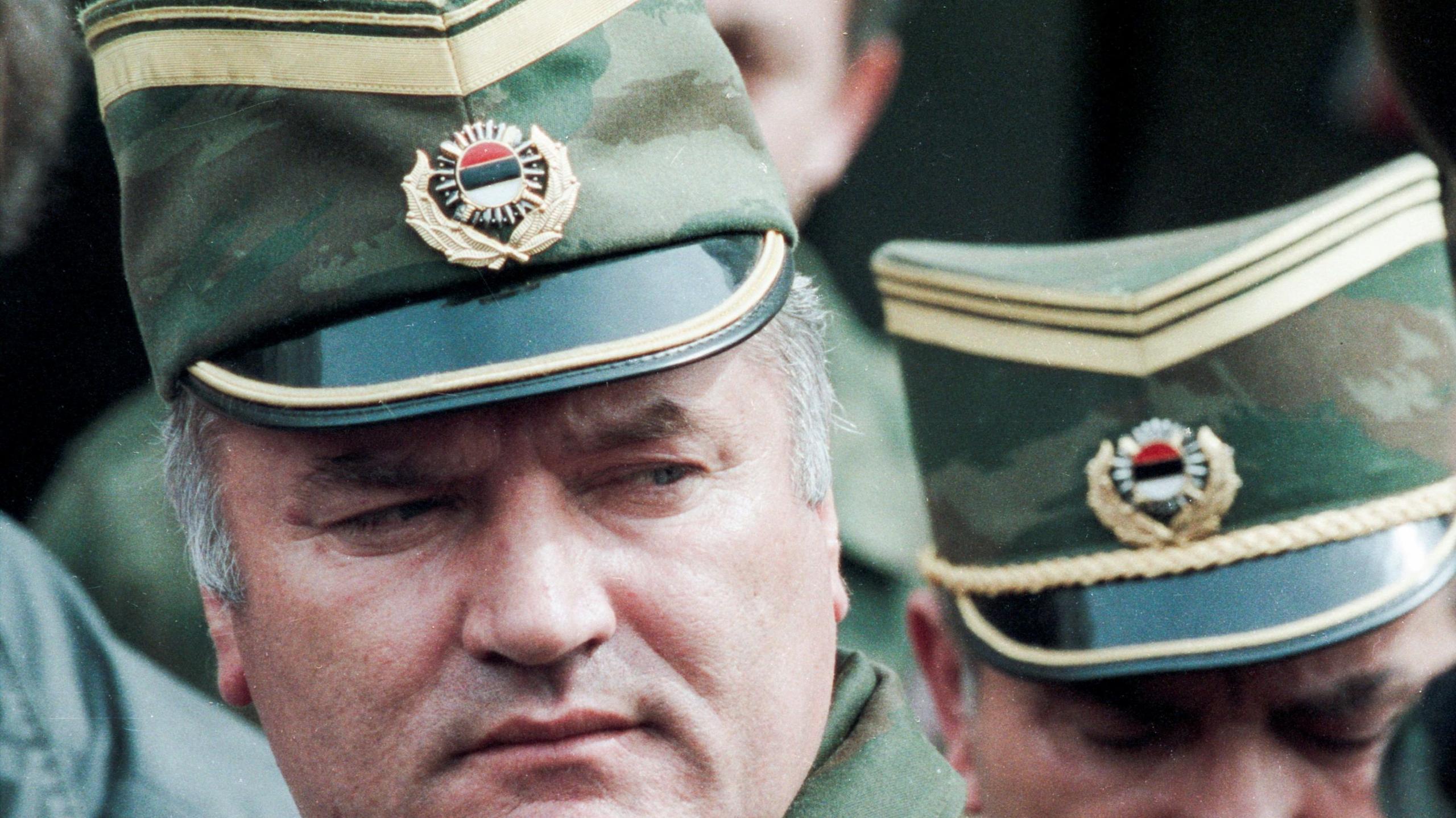
Ratko Mlađić, 1993.
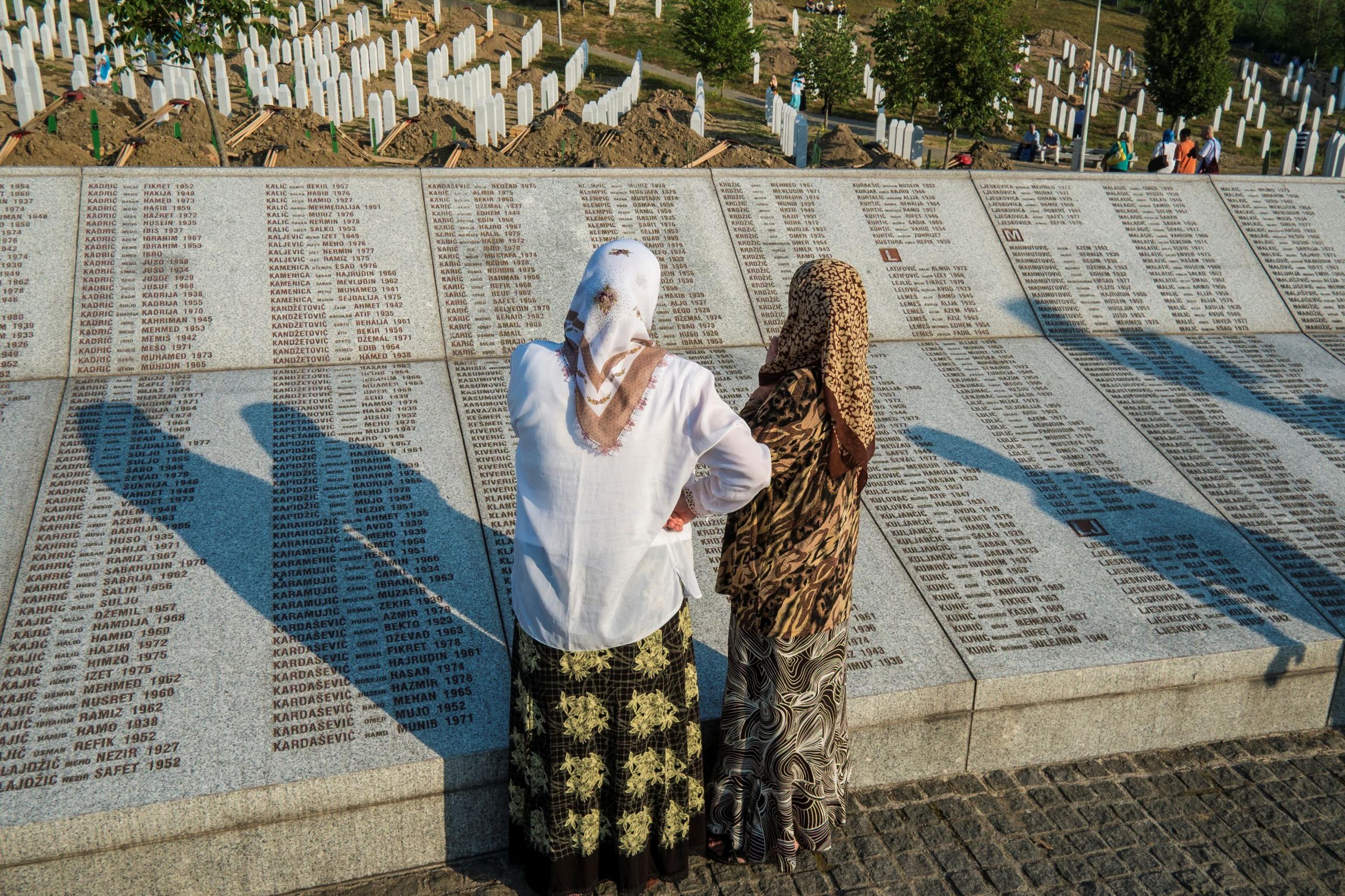
Memorial in Srebrenica commemorating victims of the 1995 massacre.