In brief
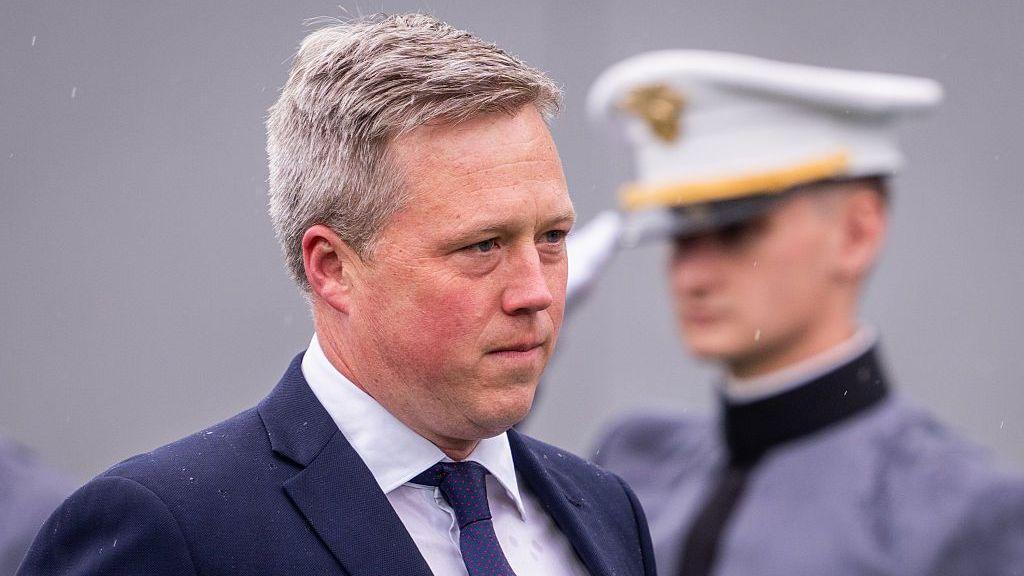
US Army Secretary Dan Driscoll announced his resignation after 18 months in office, sparking speculation about a falling out with Defence Secretary Pete Hegseth. Driscoll, known as Trump’s “drone guy”, led tech‑driven initiatives and was heavily involved in Ukraine talks. The resignation follows a wave of high‑profile military exits, including the Navy’s John Phelan. Analysts say the move signals deeper power shifts within the Pentagon as ties to political leadership tighten or fray.
Who is Dan Driscoll?
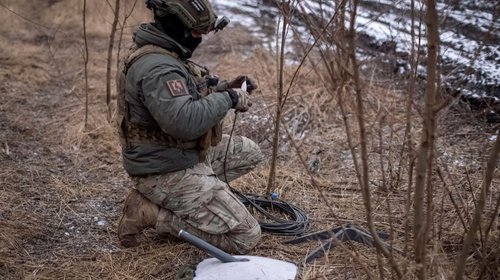
Dan Driscoll is a 41‑year‑old Army veteran who rose to become the youngest U.S. Army Secretary. He earned the nickname “drone guy” during his tenure, pushing rapid adoption of unmanned‑aerial tech. Brigadier General Driscoll also launched ground‑support upgrades and coordinated the National Guard’s domestic deployments.
What Sparked His Resignation?
Sources say a heated disagreement with Defence Secretary Pete Hegseth over policy priorities and the Army’s autonomy brought Driscoll to the brink. While the exact details remain unconfirmed, analysts highlight ongoing friction between the Pentagon’s senior civilian leadership and the Army’s top commander, who had close ties to the former president.
Impact on the U.S. Military
In the weeks following his resignation:
- More high‑profile exits: Navy Secretary John Phelan, Army Chiefs General Randy Gerald, Gen. David Hodne, and Maj Gen. William Green also stepped down.
- Questions grow about leadership stability inside the Pentagon.
- Patriots and policy makers reevaluate their stance on defense spending amid the political turbulence.
Quick Take‑away
Driscoll’s departure signals that personal rivalries can spill out of the halls of Washington and alter the course of U.S. military policy. It also highlights the current generation of youth leaders, who meld technology, policy and political legacy into their command style.
Want more? Dive into other stories about why our military leaders keep leaving their posts.