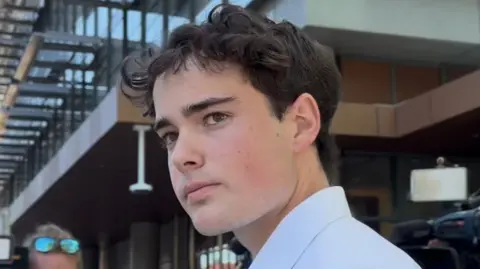
A teenage boy in Australia has made history by pleading guilty to creating deepfake pornography, marking an important step in handling the issue of manipulated sexual images. William Hamish Yeates, aged 19, is the first individual to face prosecution under newly established national laws that criminalize such actions, with a potential penalty of up to seven years in prison. Experts have noted that deepfake pornography, predominantly involving women and girls, is an emerging trend linked to harassment and bullying in schools. As Yeates exited the courtroom without comment, he acknowledged four charges against him and has a follow-up hearing scheduled for next month. This case highlights the significant social implications of deepfake technology and the growing insistence on proper regulations. Australia's eSafety Commission has actively warned about the threats posed by AI-manipulated content and has been pushing for the ban of apps that facilitate such abuses. Julie Inman Grant, the eSafety Commissioner, indicated that deepfake pornography has surged by 550% annually since 2019, with a staggering 98% of such material online being pornographic, overwhelmingly focusing on women.
Australian Teen Charged in Groundbreaking Deepfake Pornography Case
Australian Teen Charged in Groundbreaking Deepfake Pornography Case
19-year-old William Hamish Yeates pleads guilty to creating deepfake porn, marking a milestone in legislation against image-based abuse.
In a significant legal case, 19-year-old William Hamish Yeates from Australia has become the first person charged under a new law criminalizing deepfake pornography after pleading guilty. This new legislation reflects growing concerns over the use of AI technology for gendered abuse. Yeates admitted to distributing manipulated sexual images without consent across social media. Experts warn that deepfake pornography is a rising threat, primarily targeting women and girls, and has seen a substantial increase online in recent years.