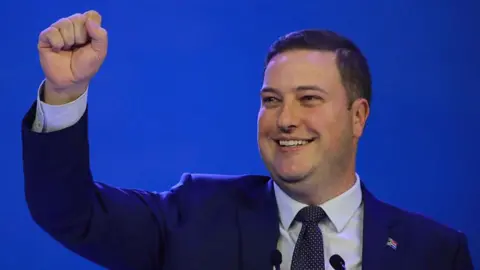
Austria has announced plans to ban social media for children aged under 14, becoming the latest country to consider introducing restrictions to help protect young users online. This decision follows extensive discussions within the conservative-led coalition government, though the specifics of implementation remain unclear. Vice-Chancellor Andreas Babler emphasized the government's duty to act against the risks of social media, likening it to controls placed on alcohol and tobacco. He argued that the addictive nature of algorithms makes it imperative to shield children from harmful influences.
In claiming these social media platforms often lead to negative impacts on mental health, Babler stated, There must be clear rules in the digital world too. With this in mind, the proposed ban aims to provide children under 14 with a more secure online environment by blocking exposure to addictive content.
Austria joins a growing list of countries including Australia, France, Spain, the UK, Denmark, Greece, and Ireland, who are either enacting or considering similar bans. Notably, Australia became the first to enact a law restricting social media access for those under 16 years old.
Babler revealed that a draft bill would be prepared by the end of June, detailing mechanisms for age verification on social media platforms. The response to this potential legislation has been largely positive among parents, reflecting a broader concern about youth welfare in the digital space. As countries globally grapple with the influence of social media on children, Austria takes a notable step towards safeguarding its youth.
In claiming these social media platforms often lead to negative impacts on mental health, Babler stated, There must be clear rules in the digital world too. With this in mind, the proposed ban aims to provide children under 14 with a more secure online environment by blocking exposure to addictive content.
Austria joins a growing list of countries including Australia, France, Spain, the UK, Denmark, Greece, and Ireland, who are either enacting or considering similar bans. Notably, Australia became the first to enact a law restricting social media access for those under 16 years old.
Babler revealed that a draft bill would be prepared by the end of June, detailing mechanisms for age verification on social media platforms. The response to this potential legislation has been largely positive among parents, reflecting a broader concern about youth welfare in the digital space. As countries globally grapple with the influence of social media on children, Austria takes a notable step towards safeguarding its youth.