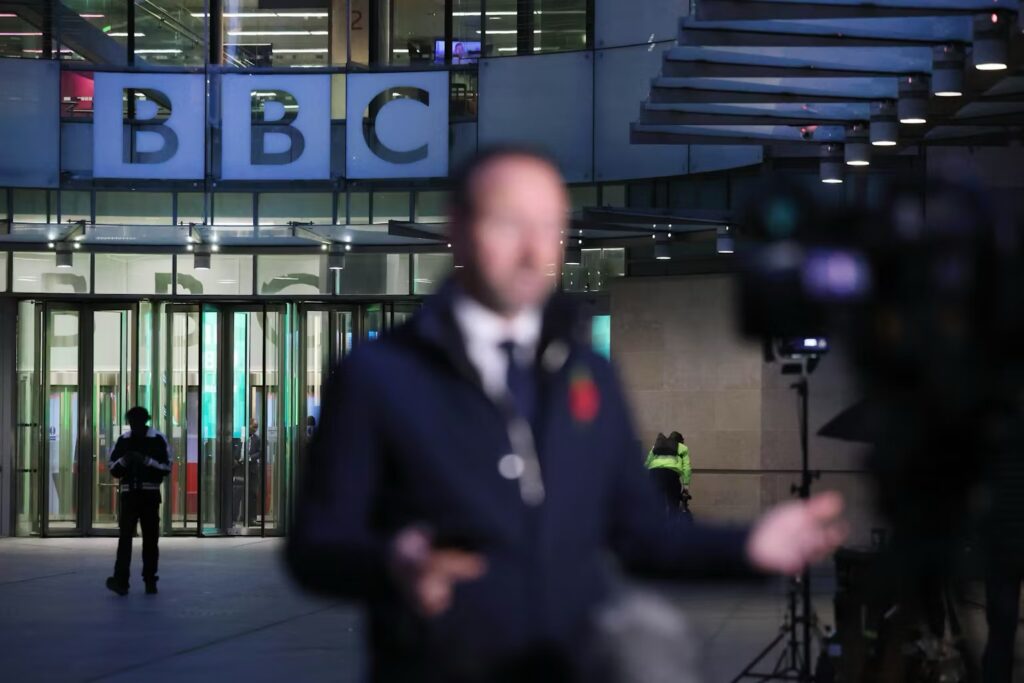
The BBC is grappling with a cascade of challenges: mounting financial strain, a controversial internal memo alleging systemic editorial bias, and the resignations of senior leaders. The leaking of an 8,000-word report by former adviser Michael Prescott described “serious and systemic problems” within the corporation.
Funding challenges are significant, with a parliamentary report revealing that the BBC lost over £1.1 billion in potential licence-fee income during 2024-25 due to high evasion rates and households opting out. This financial pressure coincides with a savings target of £700 million by 2028, of which only £564 million has been realized thus far.
Meanwhile, Prescott’s memo accused BBC editors of manipulating footage and displaying bias in coverage of sensitive issues like the Israel-Hamas conflict. In light of these revelations, BBC Director General Tim Davie and News Chief Deborah Turness have stepped down, sparking further unrest within the organization.
Morale among staff is reportedly at an all-time low, with increasing workloads and faltering oversight. As the beleaguered broadcaster approaches critical decisions regarding reform and its future funding model amid changing media dynamics, the question looms: Can the BBC regain its lost trust and relevance, or will it need to redefine its mission in this evolving landscape?
Funding challenges are significant, with a parliamentary report revealing that the BBC lost over £1.1 billion in potential licence-fee income during 2024-25 due to high evasion rates and households opting out. This financial pressure coincides with a savings target of £700 million by 2028, of which only £564 million has been realized thus far.
Meanwhile, Prescott’s memo accused BBC editors of manipulating footage and displaying bias in coverage of sensitive issues like the Israel-Hamas conflict. In light of these revelations, BBC Director General Tim Davie and News Chief Deborah Turness have stepped down, sparking further unrest within the organization.
Morale among staff is reportedly at an all-time low, with increasing workloads and faltering oversight. As the beleaguered broadcaster approaches critical decisions regarding reform and its future funding model amid changing media dynamics, the question looms: Can the BBC regain its lost trust and relevance, or will it need to redefine its mission in this evolving landscape?