US lawmakers are pressing the Trump administration for answers about military strikes on suspected Venezuelan drug boats, after a report alleged that a follow-up strike was ordered to kill survivors of an initial attack.
Republican-led committees overseeing the Pentagon have vowed to conduct vigorous oversight into the US boat strikes in the Caribbean, following the report.
On Friday, The Washington Post reported that a US strike on a boat on 2 September left two survivors, but that a second attack was carried out to comply with Defence Secretary Pete Hegseth's orders to kill everybody on board - raising fresh legality questions.
Hegseth decried the report as fake news.
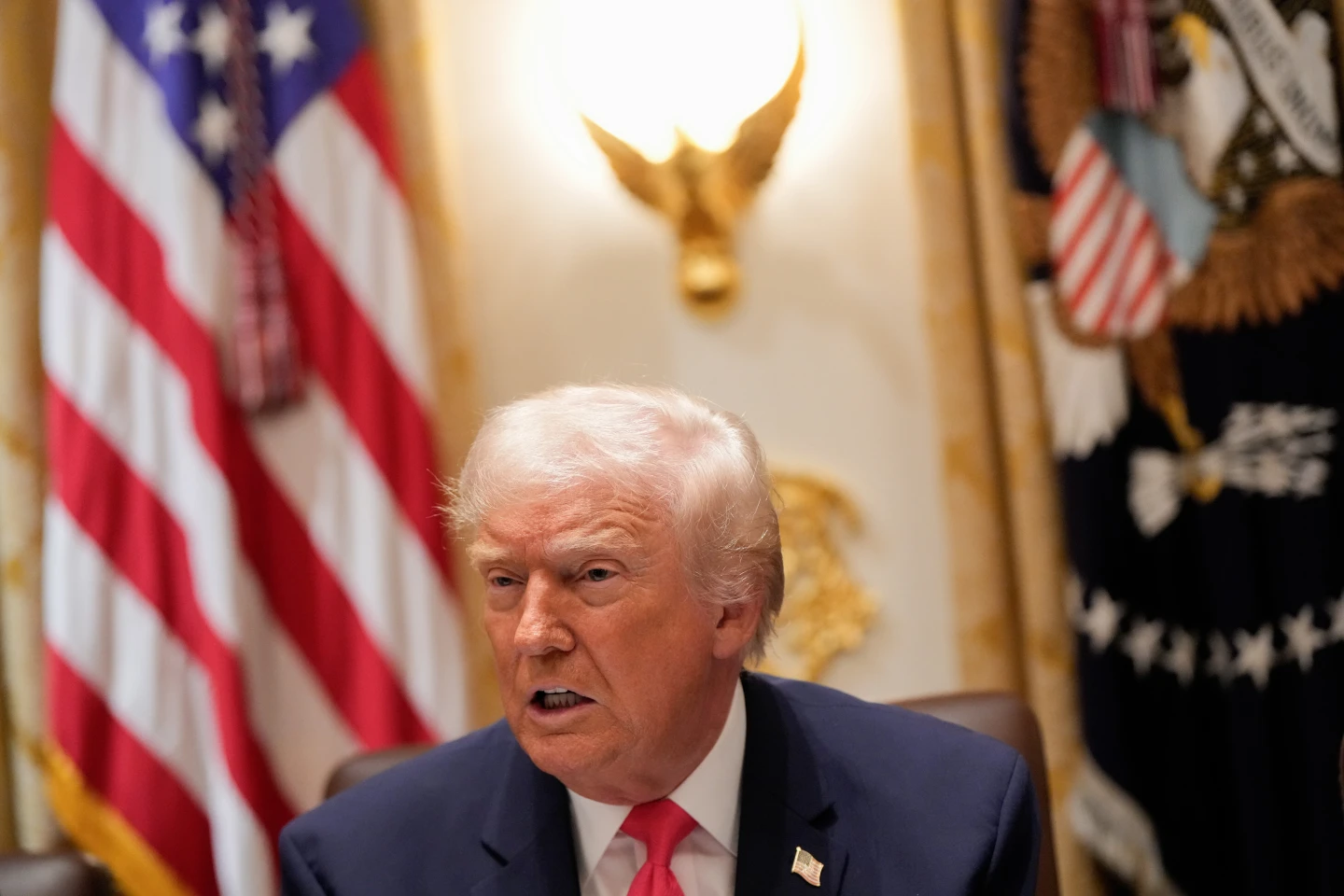
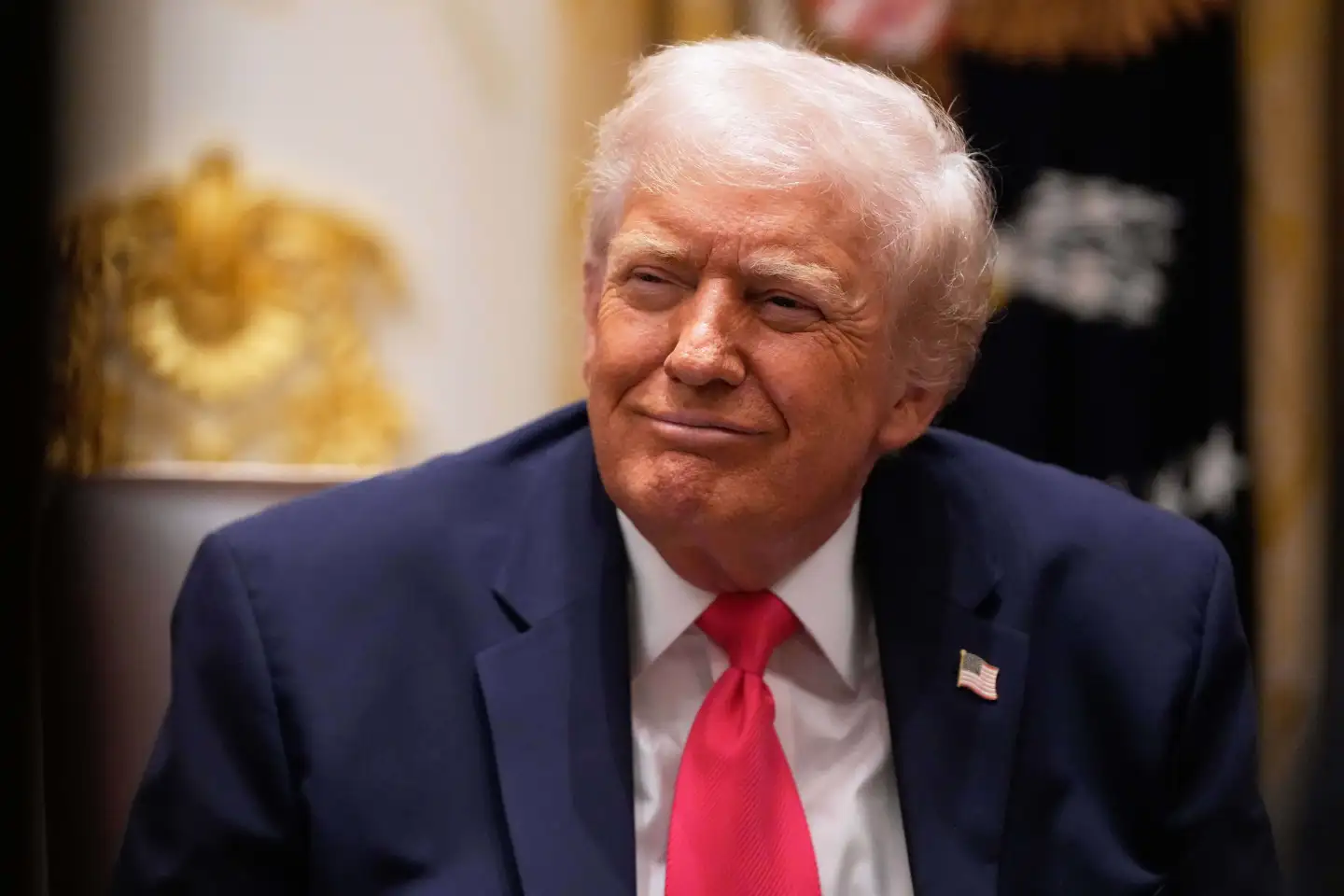
On Sunday, US President Donald Trump said he believed his defence secretary 100%.
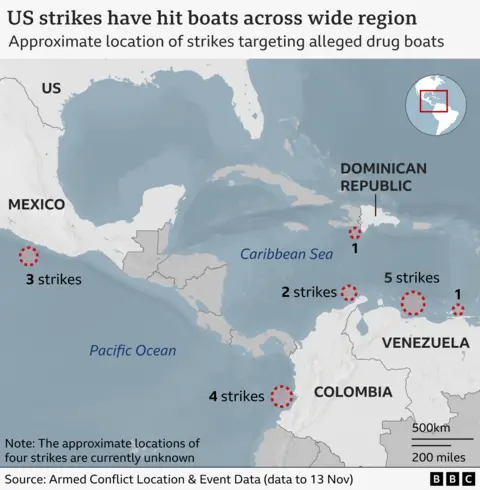
In recent weeks, the US has expanded its military presence in the Caribbean and carried out a series of lethal strikes on suspected drug-smuggling boats in international waters off Venezuela and Colombia, as part of an anti-narcotics operation.
More than 80 people have been killed since early September.
The Trump administration says it is acting in self-defence by destroying boats carrying illicit drugs to the US.
In its report on Friday, The Washington Post wrote that Secretary Hegseth gave a spoken directive to kill everybody on board one vessel. The rules of engagement in armed conflicts prohibit the targeting of wounded participants, stating that they should instead be apprehended and cared for.
Republican and Democratic lawmakers have supported congressional reviews of the strikes, emphasizing that any attacks on survivors could equate to a war crime.
The House Armed Services Committee announced they would take bipartisan action to gather a full accounting of the operation in question.
In a response on X, Hegseth refuted the allegations, claiming the strikes were lawful. In contrast, Venezuela’s National Assembly condemned the actions and initiated an investigation into the alleged second attack.
This situation poses critical questions about the legality and ethics of military actions in international waters, with implications that extend beyond regional tensions.