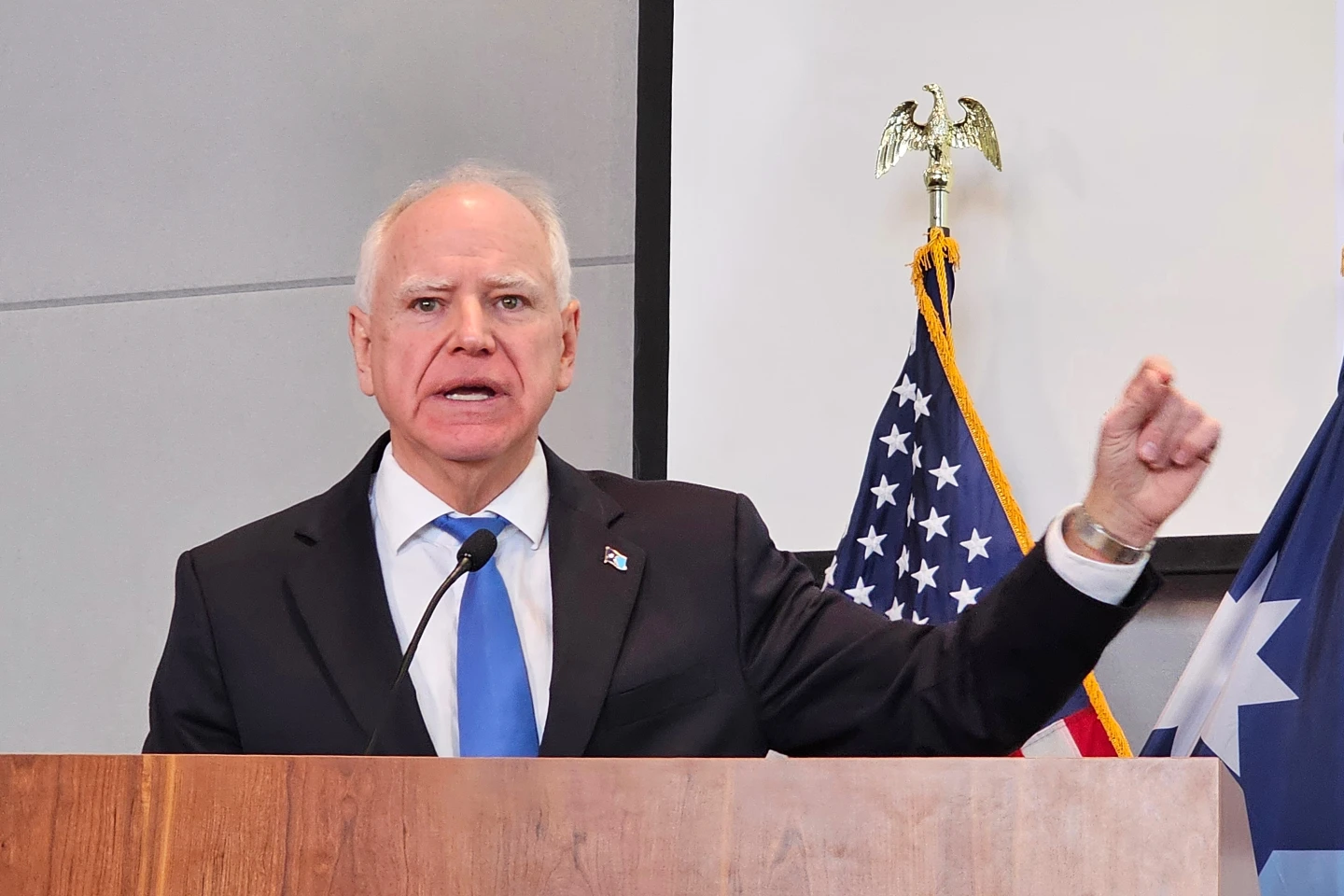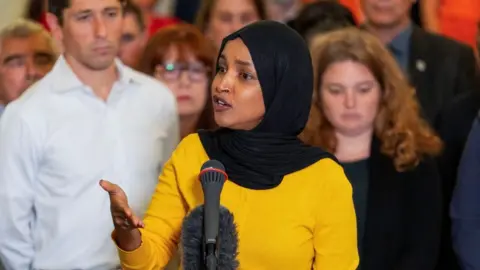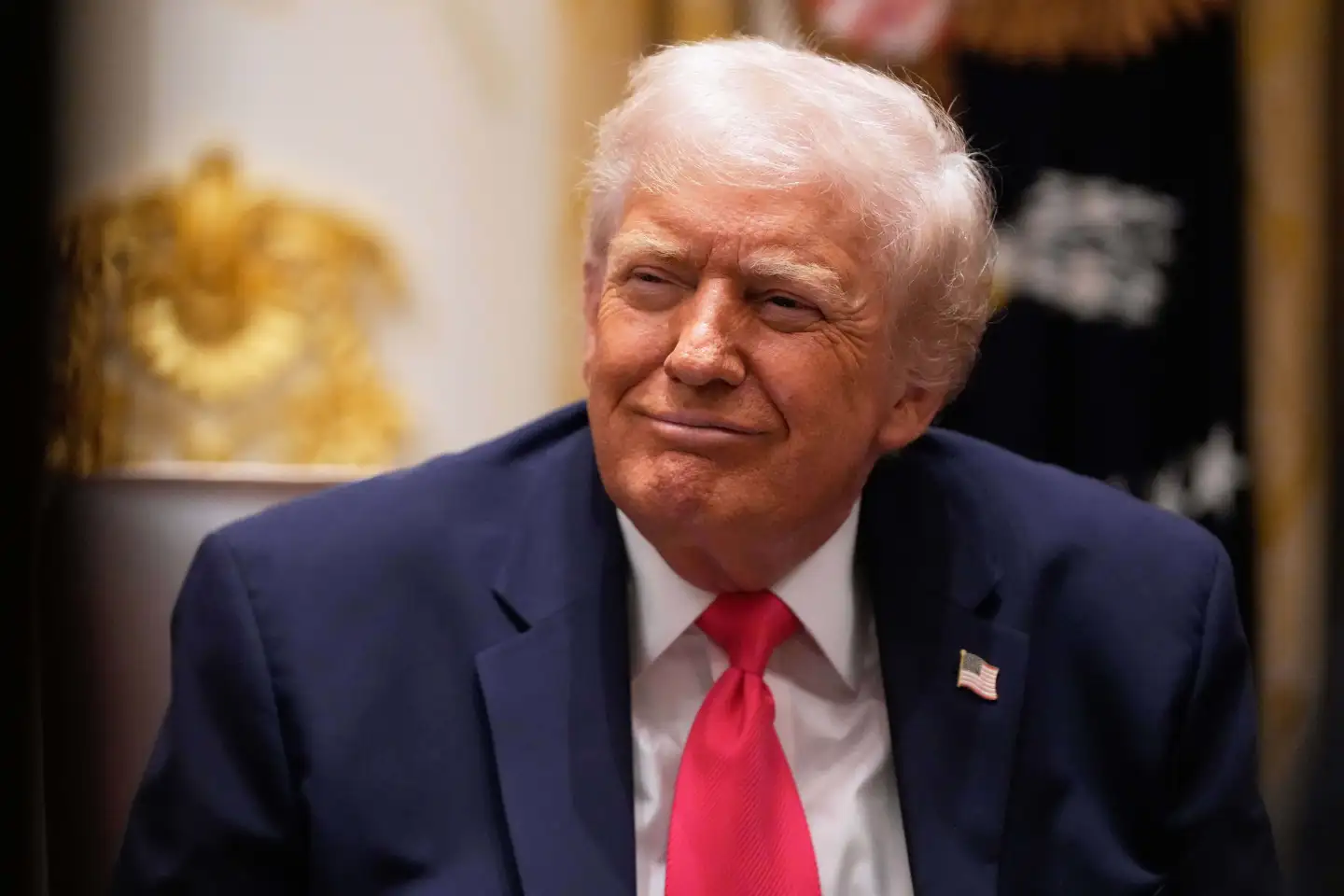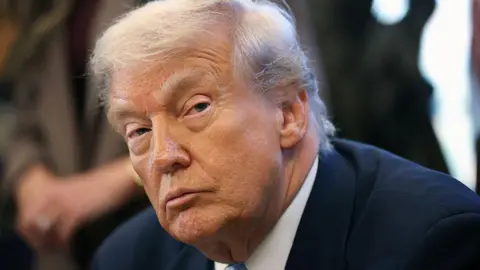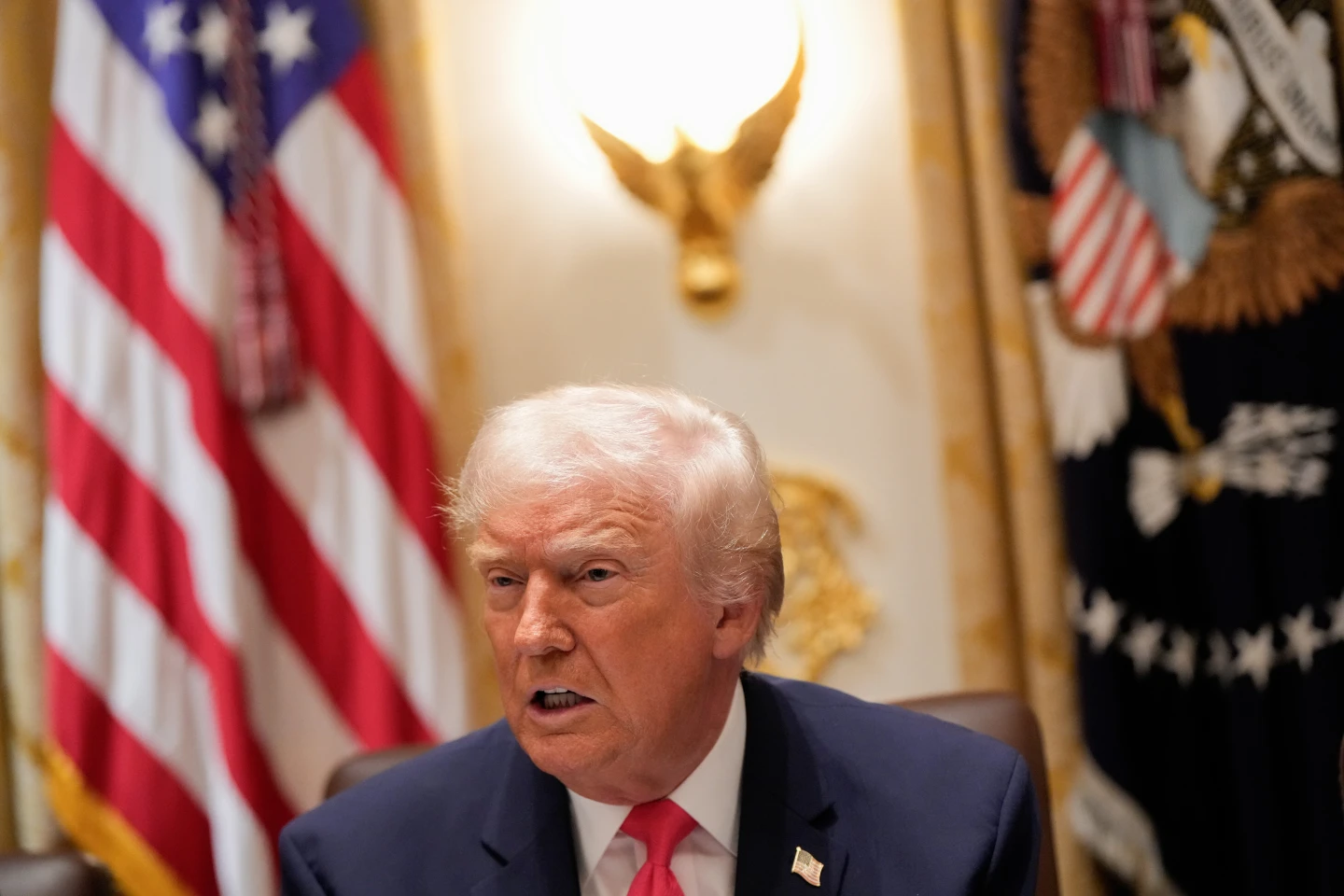
In a striking moment during a recent Cabinet meeting, President Donald Trump's declaration that Somali immigrants in the U.S. are 'garbage' has drawn widespread condemnation and concern. This incident is emblematic of a long-standing pattern of anti-immigrant rhetoric from Trump, who has previously made disparaging comments about various immigrant communities. The remarks have not only angered individuals within the Somali community but have also renewed discussions about the dangers of normalizing such hate speech.
Historians note that Trump's language represents a shift in American political dialogue, bringing overt xenophobia to the forefront. Amid this climate, immigrants and their descendants find themselves grappling with questions of identity and belonging. Recent surveys show that public opinion on Trump's immigration policies is slipping, yet his base remains steadfast.
As experts weigh in, they caution that such language may embolden xenophobic sentiments nationally and internationally, marking a troubling evolution in discussions regarding who gets to belong in America. Amidst escalating tensions and possible legal ramifications for such rhetoric, the broader implications for society’s cohesiveness remain pertinent. In response, community leaders and activists are urging for a rejection of such divisive language, advocating instead for a discourse that embraces diversity and inclusion.
Historians note that Trump's language represents a shift in American political dialogue, bringing overt xenophobia to the forefront. Amid this climate, immigrants and their descendants find themselves grappling with questions of identity and belonging. Recent surveys show that public opinion on Trump's immigration policies is slipping, yet his base remains steadfast.
As experts weigh in, they caution that such language may embolden xenophobic sentiments nationally and internationally, marking a troubling evolution in discussions regarding who gets to belong in America. Amidst escalating tensions and possible legal ramifications for such rhetoric, the broader implications for society’s cohesiveness remain pertinent. In response, community leaders and activists are urging for a rejection of such divisive language, advocating instead for a discourse that embraces diversity and inclusion.