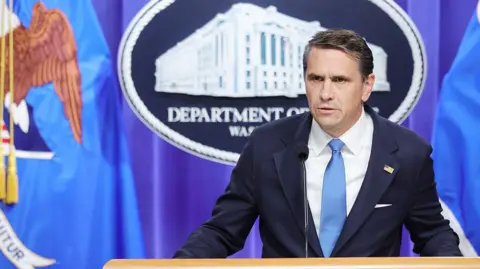
The shooting of two National Guard members, with one fatality, in Washington DC has spotlighted immigration policies shaped by the Trump administration following the incident. The Department of Homeland Security (DHS) confirmed that the suspect, identified as an Afghan national, had entered the U.S. via a resettlement scheme called Operation Allies Welcome (OAW), initiated under President Biden.
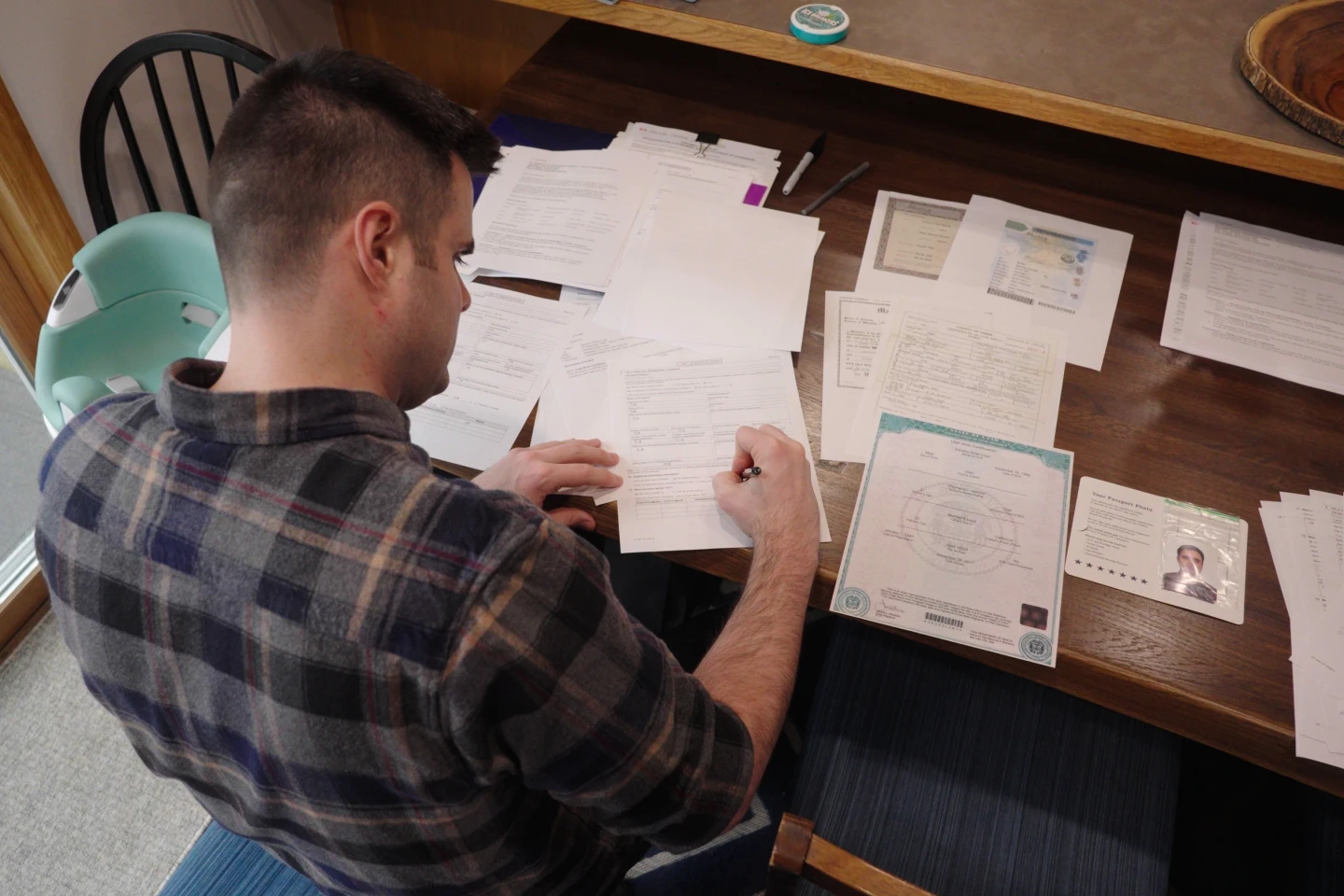
Republican officials assert, without corroborating evidence, that the suspect was not properly vetted. In response, DHS has paused processing immigration requests concerning Afghan nationals pending a review of security protocols.
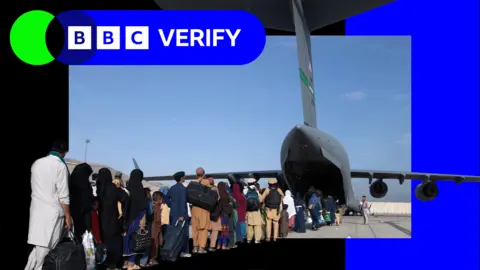
The suspect, Rahmanullah Lakanwal, reportedly entered the U.S. on September 8, 2021. The OAW aimed at resettling Afghans facing Taliban persecution, has moved over 190,000 individuals since its launch. However, President Trump has criticized the process as allowing unvetted individuals into the country, despite his administration's own roles in the system.
While vetting protocols were claimed to be multi-layered, concerns have been raised regarding their implementation. Reports from audits indicate inconsistencies in the vetting process, with insufficient data leading to potential national security risks. Nevertheless, a federal audit recognized the FBI's thorough communication and action on identified risks.
Amid criticisms, experts suggest that while vetting can be rigorous, it cannot foresee every potential issue. This complex scenario raises vital questions about immediate immigration policies and long-term national security.