Lawyers representing conservation groups, Native American tribes, and the states of Oregon and Washington are demanding significant changes to the operations of dams on the Snake and Columbia Rivers in a court hearing held in Portland, Oregon. This legal action follows the collapse of a crucial agreement with the federal government aimed at recovering critically endangered salmon populations. Last year, former President Trump halted a proposed deal which would have pledged $1 billion over ten years for fish restoration. Judge Michael Simon noted the frequency of such litigation, highlighting the urgency of the situation rooted in the painful reality of dwindling salmon runs. Advocates state that operational modifications on eight major hydropower dams could provide needed relief to salmon, a species of great cultural and ecological significance. As they press forward with their legal bid, local tribes emphasize that the decline of salmon jeopardizes their cultural heritage and future generations.
Salmon at Risk: Legal Battle Over Dams in the Pacific Northwest
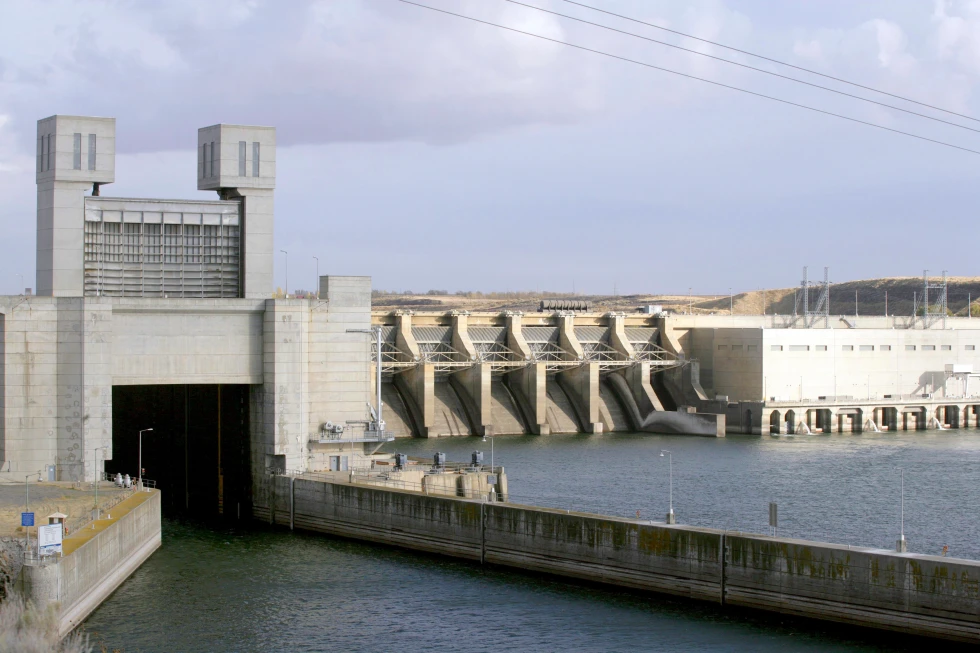
Salmon at Risk: Legal Battle Over Dams in the Pacific Northwest
Conservation groups, Native American tribes, and local states are pushing for operational changes to dams on the Snake and Columbia Rivers to protect endangered salmon populations amidst a legal resurgence.
In a pivotal legal hearing in Portland, Oregon, parties representing conservationists and tribal interests argued for vital changes to dam operations affecting salmon runs. Following a collapsed agreement with the federal government, organizations claim current dam management violates the Endangered Species Act. Proposed alterations include adjusting water levels to support salmon migration. The stakes are high; salmon are crucial for local culture and ecology, leading advocates to assert that 'extinction is not an option.' The federal government counters, claiming that changes could disrupt safe and efficient dam operations.