SACRAMENTO, Calif. — In a bold legal maneuver, California has taken the federal government to court, protesting the approval of a Texas-based company’s efforts to restart two oil pipelines off its coast. This marks a critical moment in the ongoing debate over offshore drilling, which has been a contentious issue for decades.
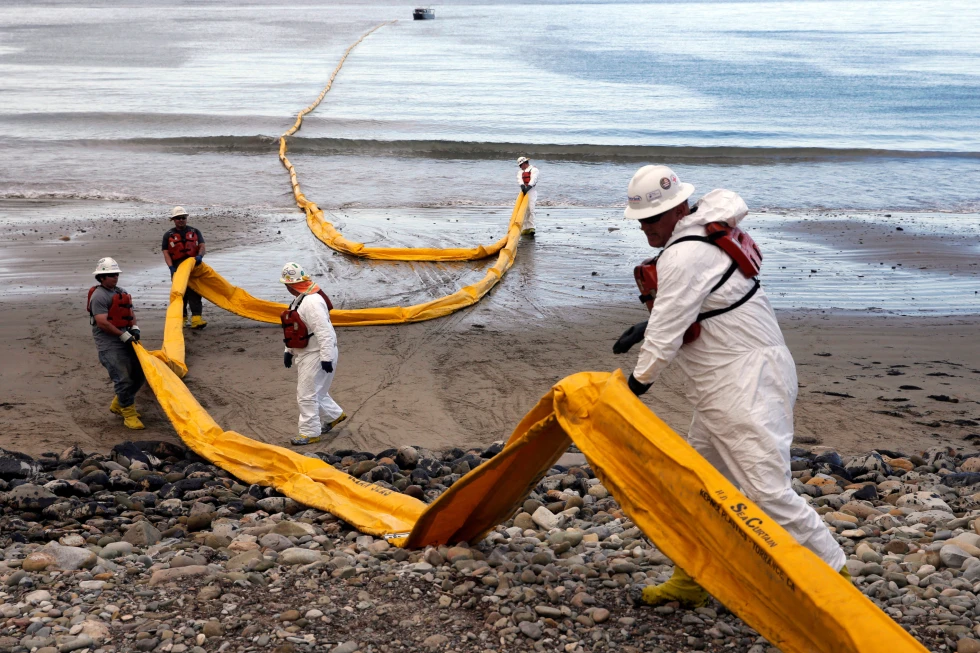
The company in question, Sable Offshore Corp., received federal approval to restart production near Santa Barbara, an area previously scarred by a devastating oil spill in 2015. California's Attorney General, Rob Bonta, argues that the federal administration is overstepping its bounds, saying, 'The federal government has no right to usurp California’s regulatory authority.' He emphasizes the state's commitment to protecting its coastline and communities from the potential hazards posed by oil pipelines.
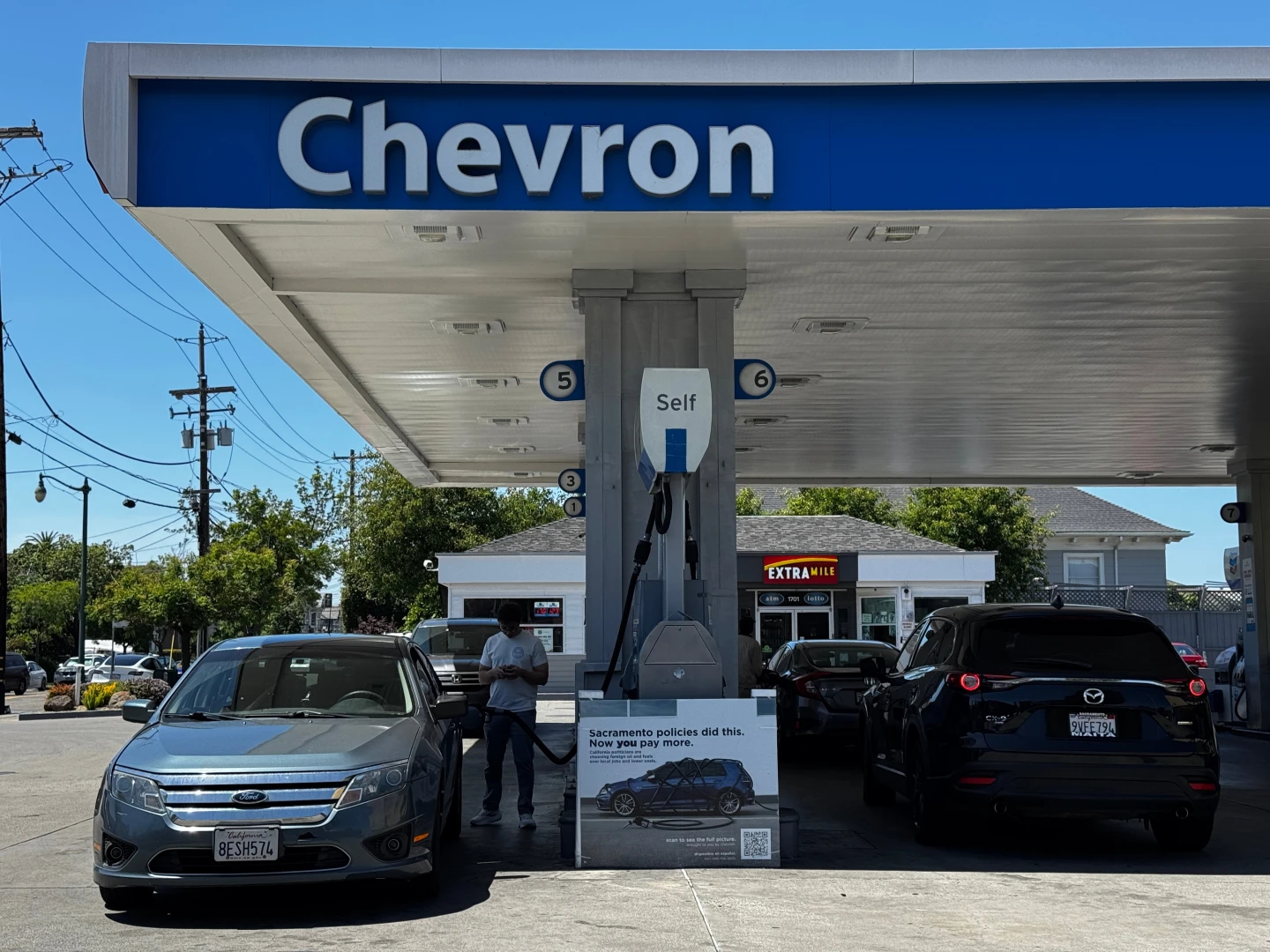
In contrast, the Pipeline and Hazardous Materials Safety Administration defended the restart, claiming it would provide much-needed energy to California, known for its high gas prices.
This legal battle is set against a backdrop of California's long-term strategy to transition away from fossil fuels and embrace clean energy solutions. The state is not just resisting federal pressure; it is actively pursuing legislation to phase out onshore oil and gas operations, highlighting a broader commitment to environmental sustainability.
As this case unfolds, it raises important questions about energy policy, environmental protection, and state versus federal authority.
The company in question, Sable Offshore Corp., received federal approval to restart production near Santa Barbara, an area previously scarred by a devastating oil spill in 2015. California's Attorney General, Rob Bonta, argues that the federal administration is overstepping its bounds, saying, 'The federal government has no right to usurp California’s regulatory authority.' He emphasizes the state's commitment to protecting its coastline and communities from the potential hazards posed by oil pipelines.
In contrast, the Pipeline and Hazardous Materials Safety Administration defended the restart, claiming it would provide much-needed energy to California, known for its high gas prices.
This legal battle is set against a backdrop of California's long-term strategy to transition away from fossil fuels and embrace clean energy solutions. The state is not just resisting federal pressure; it is actively pursuing legislation to phase out onshore oil and gas operations, highlighting a broader commitment to environmental sustainability.
As this case unfolds, it raises important questions about energy policy, environmental protection, and state versus federal authority.