BTS Ticket Craze Sparks Scams, Fans Lose Thousands
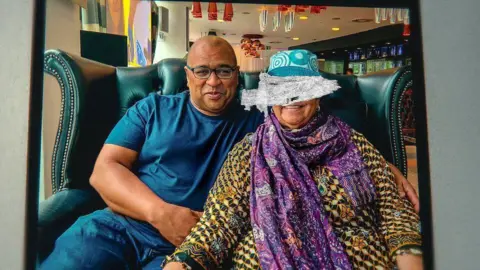
\Kick‑in at the start of the band’s October tour, Jakarta fans were greeted by an uproar that turned into a nightmare. When online sales opened, fans such as Vevee, a 26‑year‑old Singaporean, watched in disbelief as tickets displaced faster than they could purchase them, only to later discover that a bloke in Thailand had taken their money, then vanished from the chat, leaving 126 fans without any tickets or refunds.
\The problem is part of an even bigger rush. In the five Southeast Asian stops—Indonesia, Malaysia, the Philippines, Singapore and Thailand—ticket demand has outstripped supply by a factor of 15, reportedly driving the region’s total losses to roughly $100,000. Social media posts, online marketplaces and personal messaging apps have become hubs for bogus resales, with sellers promising “VIP seats” or “power of attorney” for authenticity, only to never deliver the tickets after receiving money.
\Governments are stepping in. Thailand’s parliament filed a complaint on behalf of 125 victims; Singapore police logged 62 complaints after the country’s ticketing platform Carousell halted resale until 22 December, yet still sees over S$68,000 of outlay by fans. Malaysian authorities are hunting “mule accounts” that move funds from buyers to scammers. The band’s back‑end partner Ticketmaster, a Live Nation subsidiary, has announced that it is tightening safeguards with AI‑powered bot detection, limiting resold tickets to email‑verified buyers and banning access for suspicious accounts.
\Despite these cautionary moves, the risk remains high. The frenzy mirrors the ticket‑scam wave that hit Taylor Swift’s Eras Tour, and many fans still gravitate toward resellers to avoid missing a final show entirely. The argument is simple: do you gamble on an unverified sale or risk an ordinary, delayed purchase that may be too late?
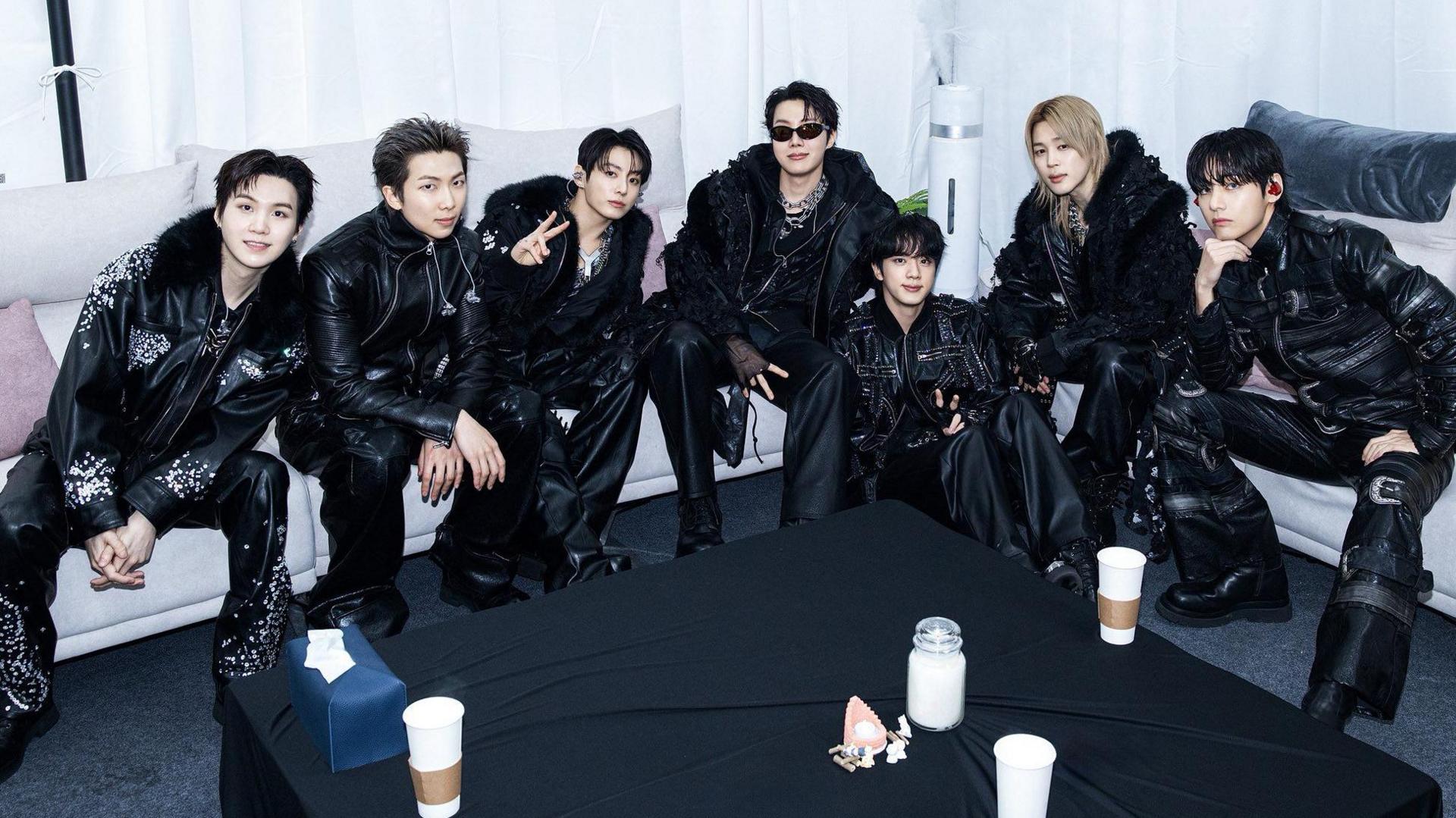
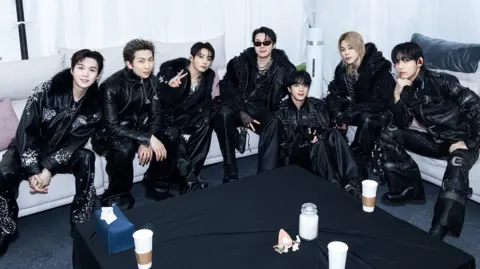
\The band’s reunion promises nearly $2bn in earnings from the entire tour, yet the drama around ticketing has threatened to eclipse the music. For warriors of the Army—dedicated fans of pop icons—these experiences emphasize that passion can become a liability in a market where demand outpace justice.
\ \
\