In brief
A rare high‑school shooting in Tacloban left three dead and 20 injured, involving a 15‑year‑old suspect who was said to play the first‑person shooter ‘Gorebox’. In response, the Philippine cyber‑security agency temporarily banned the app to investigate its role in the tragedy. Officials argue that violent video games may influence young players, though research finds no direct link between gaming and violence. Senators are calling for tighter regulation of online content for minors, while critics warn that banning a game is a band‑it‑up solution that ignores deeper social problems.
Why the Philippines Banned a Game After a Teen‑aged School Shooting
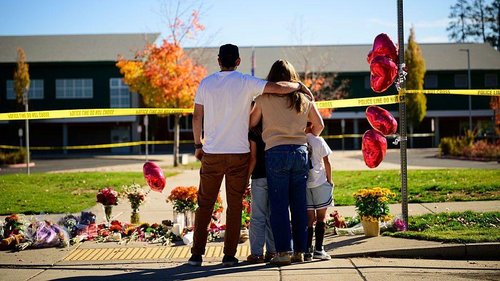
A brutal shooting on Monday at San Jose National High School in Tacloban left three students dead and 20 others wounded. The suspects—a 15‑year‑old and a 14‑year‑old—were caught on CCTV firing handguns inside the classroom.
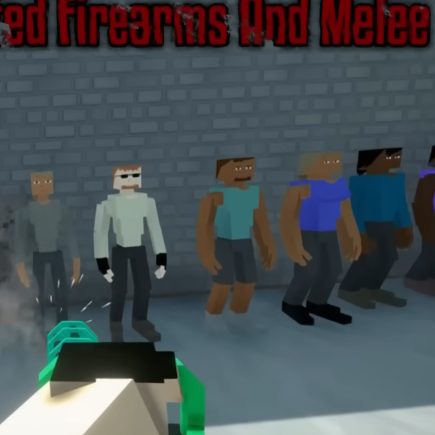
Police say the 14‑year‑old was an avid player of the violent video game Gorebox, a first‑person shooter that allows players to “obliterate anything they desire” with an extensive arsenal of weapons and explosives.
Because the game is rated R18 and can be played without age restrictions, Manila’s cyber‑security agency issued a temporary block on the app, citing a need to "conduct a thorough assessment into whether the platform played any role in the actions of the suspects."
The move comes amid a growing debate over the influence of online games on teenagers in the Philippines. While scientific studies find no direct link between gaming and violent behaviour, experts warn that highly graphic and unrestrained content can desensitize young players.
Senators Risa Hontiveros and others have called for stricter penalties for anyone who lets minors access firearms, and the government plans to review safety protocols in schools. The ban was set to last until the cyber‑crime investigations finish their review.
The incident has sparked a larger conversation about how online platforms can “brainwash and radicalise” the Philippines’ youth. Some officials say internet access, if used to target children, must be regulated: “If the internet is being used to victimise children, we will not wait for the next victim before we act.”
While the Philippines is researching the links between violent media and real‑world actions, the moment has forced a deeper look into how we approach online content for minors.