In brief
A massive fire in the logistics section of Dhaka's main airport has led to fears of catastrophic losses exceeding $1 billion, threatening jobs and the garment industry. The cause is under investigation, and the airport is crucial for Bangladesh, the world's second-largest clothing exporter.
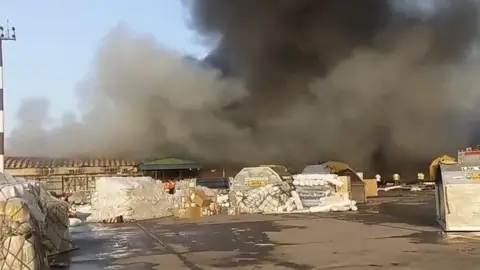
Business leaders in Bangladesh fear losses of more than $1bn (£750m) after a devastating fire broke out in the logistics section of the country's main airport on Saturday. Clothes and raw materials were among the goods destroyed, which could put some businesses at risk, according to the country's export associations. The cause of the fire - which took 27 hours to extinguish - is still being investigated. The blaze caused a temporary suspension of flights and airport operations.Bangladesh is the world's second-largest exporter of clothes after China, supplying global retailers like H&M and Walmart. The garment sector generates around $40bn a year, accounting for over a tenth of its gross domestic product. Local media reports say around 35 people were injured while working to contain the blaze. The damaged airport cargo village is one of the country's busiest logistics hubs, especially during the pre-Christmas rush.The association has asked all its members to submit a list of damaged goods to determine the full extent of the losses. Notably, this was Bangladesh's third significant fire incident in just one week. Investigations are ongoing, and the interim government has promised action if credible evidence of arson is found. Heightened speculation surrounds this incident due to a history of unaddressed accusations, as large fires are frequent in Bangladesh, often attributed to poor infrastructure and safety enforcement.