In brief
With a U.S. airman potentially in peril after a fighter jet is downed by Iran, prediction markets see a surge in bets on the rescue timing. This prompted lawmakers like Rep. Seth Moulton to demand action against what he calls 'war profiteering.' As Congress debates regulation to prevent insider trading, concerns rise about the moral implications of profiting from military crises. The Commodity Futures Trading Commission is under scrutiny as it seeks to navigate the complexities of regulating these markets, which have become platforms for speculative trading in high-stakes scenarios.
As the United States prepares for a daring mission to rescue an airman downed by Iran, a shocking trend emerges within prediction markets. Users betting on the timing of the airman's rescue ignited an ethical debate. Rep. Seth Moulton called out this ‘dystopian death market’ on social media, revealing that bets showed a preference for April 4 over April 3, leading to Polymarket halting the betting due to integrity concerns.
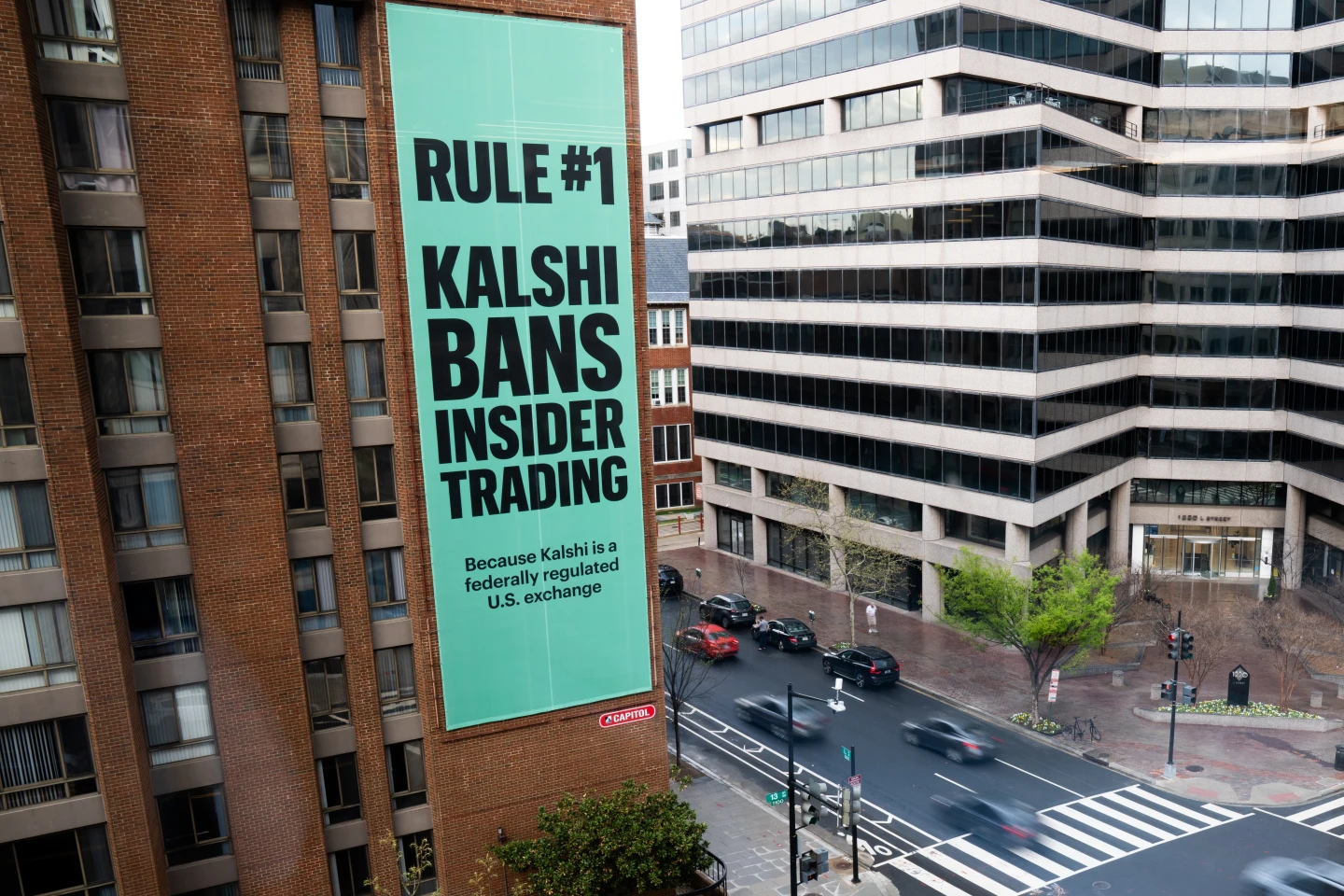
Moulton's outrage spurred discussions about the morality of profiting from military actions. He argues this is a form of war profiteering that Congress needs to address. The larger conversation involves increasing awareness and regulations around prediction markets like Polymarket and Kalshi, as worries mount over potential insider trading during crises.
The rapid response from Congress highlights the increasing scrutiny on prediction markets, pushing for regulations to ensure market integrity. A bipartisan effort led by Senators Todd Young and Elissa Slotkin proposes barring federal employees from betting using nonpublic information, showcasing a rare consensus amid a polarized Congress.
As this issue unfolds, it raises critical questions about the delicate balance between market speculation and the ethical implications of gambling on life-and-death situations in real-world conflicts.