In brief
Flash floods along the Nepal‑Tibet border killed more than 1,200 people and left thousands missing. The Himalayan nation, despite low carbon output, sits on the front line of climate change. Authorities now require billions to repair roads, homes and infrastructure damaged by weeks of rain. International aid is already being mobilised to support clean‑up, reconstruction and community support efforts. The situation highlights the urgent need for global cooperation to protect vulnerable regions from extreme weather events.
Understanding the Crisis
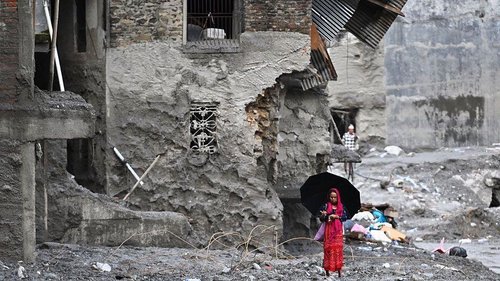
Heavy rains triggered flash floods that swept through Nepal’s border region with Tibet. Over 1,200 people have been confirmed dead and thousands remain missing. The floods buried villages, destroyed homes and blocked major roads, turning travel routes into mud ruts.
Why Nepal Matters
Although Nepal emits very little carbon, it is on the front line of climate change. Rising temperatures and more intense storms mean that tropical disasters can hit the country with greater force, and the recent spillover at the border shows the new scale of risk.
The Funding Gap
The government said it will need billions of dollars to clear debris, repair infrastructure, and rebuild homes that survived the floods. Construction costs have sky‑roiled as material and labour prices rise in the post‑pandemic world.
International Support
Aid agencies from the United Nations and partner countries have pledged funds for relief. These funds will support clean‑up, temporary shelters and long‑term reconstruction. The international community is also working to build climate resilience to reduce the risk of future floods.
What Grows From Tragedy
Rebuilding offers the chance to create smarter, flood‑resistant infrastructure. Engineers are looking at better drainage, stronger building materials, and community evacuation plans that will protect residents in the face of louder storms.