In brief
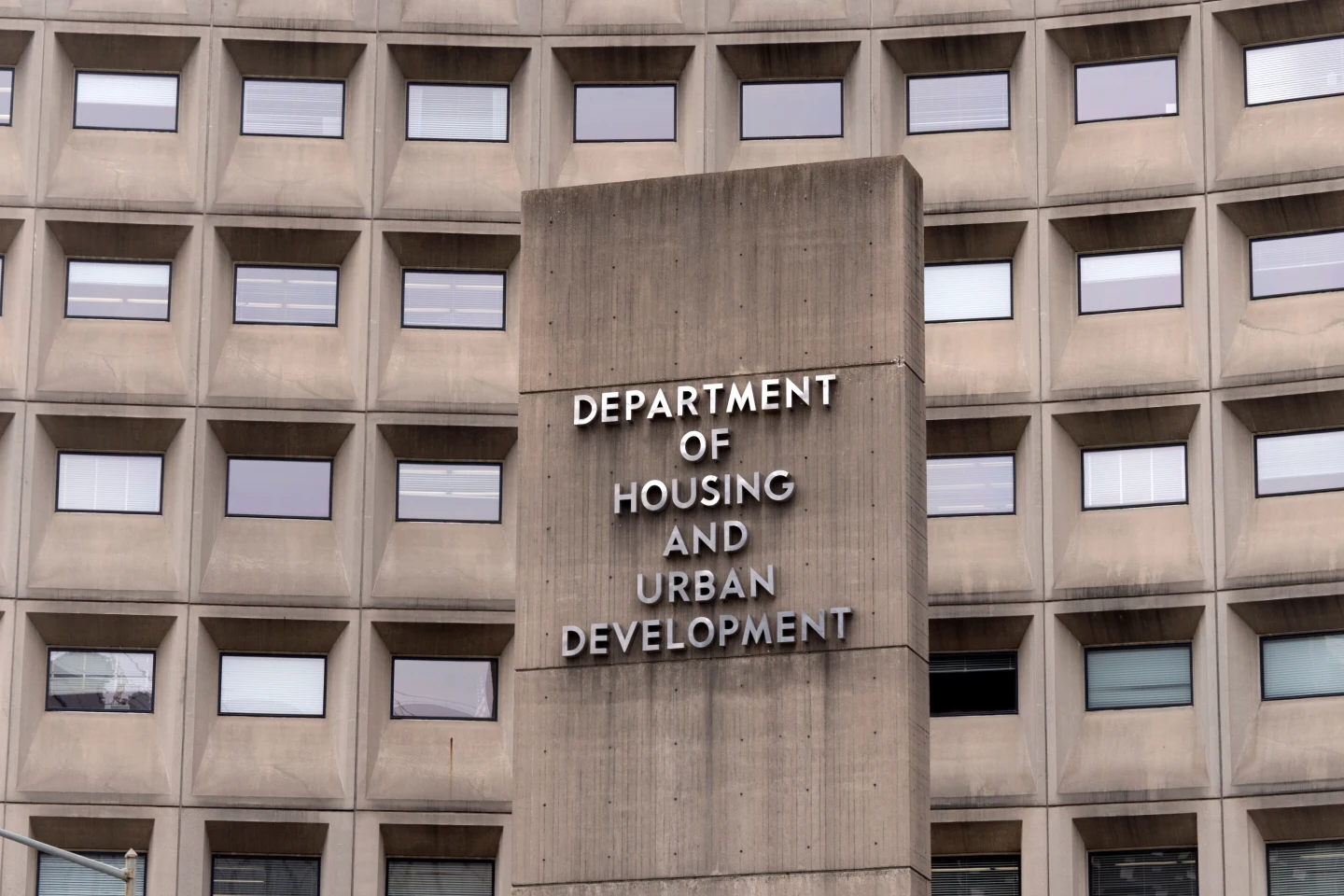
The Build America, Buy America (BABA) Act, designed to boost American manufacturing, is unintentionally hampering the construction of affordable housing. Developers are struggling with compliance and reporting delays from the Department of Housing and Urban Development (HUD), leading to increased costs and project stoppages. Many essential materials for housing projects are still imported, creating a bottleneck in a time of pressing housing needs.
The Build America, Buy America (BABA) Act is a well-meaning effort to bring manufacturing jobs back to the U.S., but it's creating a significant slowdown for affordable housing projects. Under BABA, any project receiving federal money must use American-made products, but developers are finding that many necessary items, from lighting to HVAC units, are often imported due to lower costs overseas. The waiver process for using imported materials is painfully slow, with reports that the Department of Housing and Urban Development (HUD) takes months to approve requests. Builders like Tyler Norod of Westbrook Development Corporation express frustration as construction delays lead to skyrocketing expenses. As the housing crisis persists, those like 76-year-old Diana Lene, waiting five years for affordable housing, feel the strain. Developers are feeling the pressure as they navigate complicated regulations, with some even considering avoiding federal funding altogether to sidestep BABA rules. While the intent behind BABA is supported by labor groups, the implementation challenges underline a growing disconnect between policy goals and the urgent need for affordable housing solutions in America.