In brief
Witnesses express outrage over forced signatures and safety neglect as search continues for missing divers.
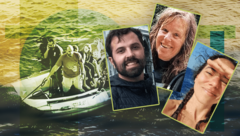
In the aftermath of the Sea Story tragedy in the Red Sea, survivors are speaking out against authorities they claim are attempting a cover-up. After the boat sank on November 25, carrying 46 people, only four bodies were recovered, and seven individuals, including two British divers, remain missing. Survivors allege that they were pressured to sign statements in Arabic, a language they didn’t understand, with translations handled by a company employee.Multiple witnesses described their experience as coercive, saying they felt they were interrogated shortly after being rescued, even from hospital beds. “We were told we couldn't leave until all statements were taken,” said one survivor. They specifically highlighted the conflicting interests of having statements translated by a company representative who was, in fact, connected to the boat's operation.Furthermore, survivors recounted attempts to secure waivers absolving the boat company of any liability, leaving many feeling trapped and without legal autonomy. Key safety concerns about the vessel, notably the condition of life rafts, were omitted from their reports.While officials are keen to blame the sinking on a supposed rogue wave, an oceanographic expert disputes this narrative, suggesting that the conditions described by survivors were mischaracterized. Requests for transparency in the investigation were often met with resistance, fueling a sense of urgency for an open inquiry into the disaster.As families search for missing loved ones, skepticism grows around the Egyptian authorities' motives, with calls for accountability and safety reforms in the resort diving industry echoing among the survivors. Despite the shocking experience shared by those rescued, official channels seem reluctant to address the critical safety lapses highlighted by the incident.