In brief
A sudden surge of student protests erupted in Delhi’s Parliament Square after widespread exam paper leaks shook India’s education system. The Cockroach Janta Party gathered tens of thousands of young people who previously showed only online support for their cause. The movement is not about ideology but a demand for fair governance, and it has rattled even the BJP government, prompting calls for new delivery mechanisms. Political analysts argue this could mark a new form of grassroots activism that goes beyond the exam scandal. Whether it will grow into a lasting political force remains uncertain.
In the last few weeks, India’s education wake‑up call turned from digital meme to a march.
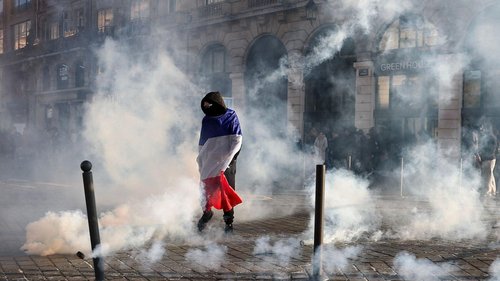
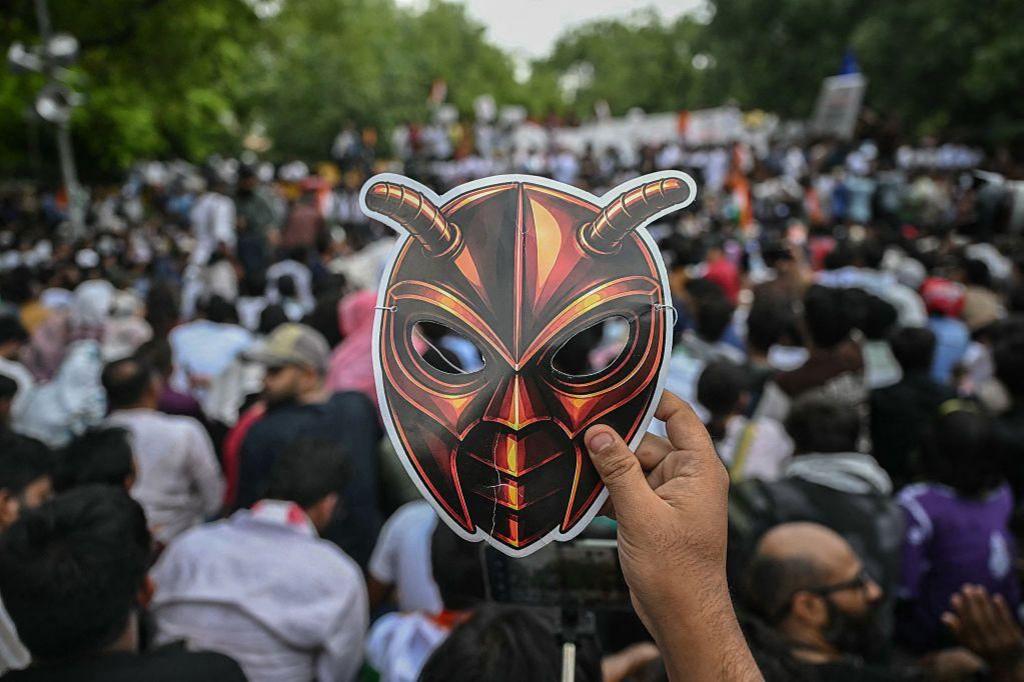
Thousands of students, wearing cockroach masks and standing behind slogans, stormed the air‑filled Jantar Mantar in front of Parliament on Monday. Police pepper‑sprayed, used batons and set up tear‑gas canisters. The crowd was heavy—tens of thousands—signals that the online trend had hit the streets.
The movement, dubbed the Cockroach Janta Party, grew out of repeated reports that exam papers leaked into the hands of unauthorized students. It demands a new system, fast‑track courts for paper‑breakers and the resignation of Education Minister Dharmendra Pradhan. Leading activist Sonam Wangchuk gave a 26‑day fast, losing 11 kg, to give the movement a face, only to end after a collective pledge that the protest will continue until their demands are met.
Unlike past revolts that were about policy—like the 2011 anti‑corruption movement—or caste, the CJP’s gripe is the state’s failure to run a fair exam system. Senior scholars explain that the protest cuts across gender, caste and class, and it pins exasperation on government competence rather than political ideology.
Political scientists caution that the movement could either be a brief vent of frustration or the start of a lasting shift in democratic politics. They point to similar past protests—farmers’ marches, the 2011 anti‑corruption drive—and the way the younger generation now wants accountability outside the ballot box.
Bangladesh’s Prime Minister Narendra Modi himself acknowledged the protest, announcing “fast‑track courts” and “strict punishment” for those who leak papers. Whether such promises will cool the fire remains to be seen, and the movement’s future will hinge on government response, media coverage and the ability of young people to stay united over time.