In brief
Despite ongoing challenges, both nations are seeking a mutually beneficial relationship to avoid future tensions.
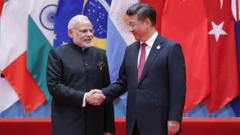
After years of friction and military standoffs, India and China are now cautiously attempting to reset their relations. Recent visits by senior Indian officials to China signal a potential thaw in the typically strained environment. National Security Adviser Ajit Doval and Defence Minister Rajnath Singh recently attended meetings for the Shanghai Cooperation Organisation (SCO), marking the first high-level visits from India in five years.At the core of the issues are the 3,440km long disputed border and escalating military confrontations, notably the deadly clash in Galwan Valley in 2020. Overwhelmed by increasing geopolitical uncertainties, both nations are recognizing the need for better communication. Previous agreements have been made to ease tensions and restore direct flights, while Indian pilgrims were recently allowed to visit sacred sites in Tibet for the first time in years.However, underlying suspicion persists. China's growing influence and strategic alliance with Pakistan coupled with India's reliance on Chinese trade leave both policymakers on alert. The relationship thrives on delicate balance; while India benefits significantly from Chinese imports, any future conflict would heavily influence their economic dynamics.Experts highlight that the evolving geopolitical landscape, particularly with the West's shifting allegiances, has compelled India to cautiously engage with China. India's growing concerns regarding U.S. support amid tensions with Pakistan have also led to a reevaluation of its strategic partnerships. Consequently, Delhi aims to navigate these treacherous waters without appearing overly compliant to Chinese demands — a move that reflects broader concerns regarding Russia’s deepening ties with Beijing.Though China is eager to expand business relations, it continues to assert territorial claims. With both nations aware that resolving their disputes on sovereignty is unlikely in the near future, they are striving for a functional coexistence that minimizes hostilities. This pragmatic approach may signal a new chapter in one of Asia's most complex bilateral relationships.