In brief
Just days before U.S.–Canada talks collapsed, a leaked recording of Vice‑President JD Vance highlighted the friction between the two neighbours. In response, Canada imposed tariffs that could rupture $872 bn of trade. The saga reflects Trump’s penchant for wielding economic pressure on friends and foes alike, while Canada tests the limits of U.S. power. With the U.S. mid‑term elections ahead, the war of words and tariffs could reshape North America’s economic future.
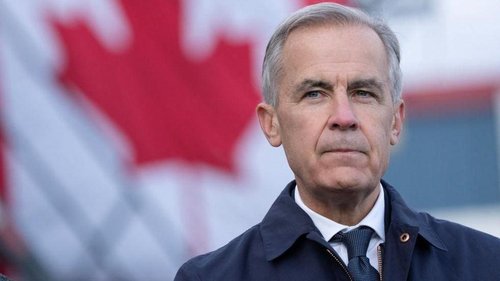
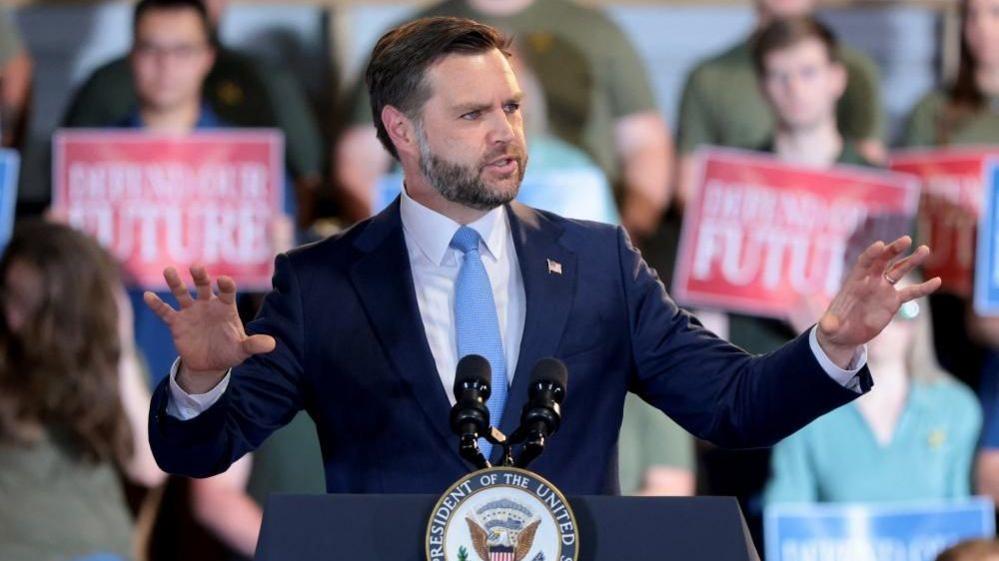
A quick–fire jest from Vice‑President JD Vance about Canada’s friendly‑smile premier swept through Canadian desks just before talks with the United States fell apart. The clip, leaked to the Canadian Press, showed Vance calling Prime Minister Mark Carney a “very sweet guy” and describing him as a man who “puffs his chest out and says: I’ll out‑tough Donald Trump.” In Canada, that tone broke the glass wall of the recently‑signed USMCA trade pact, giving Canada a window to slap on a series of tariffs that blunt the United‑States’ own trade dominance.
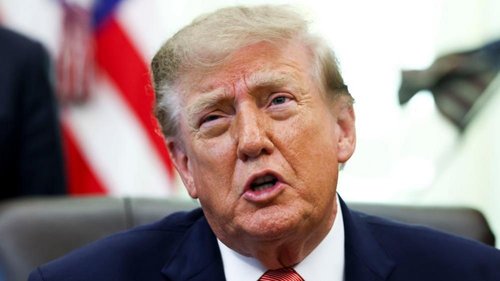
Canada’s new tariffs come after the U.S. threatened a 50 % charge on Canadian‑built vehicles and auto parts that will kick in only next year. The price of two days’ slide between neighbours is a shiny display of how economic security and national security become one, a principle President Trump has used to shove strings of force across a wide spectrum of foreign relations.
While the U.S. government throws its weight at a trade partner, Canada’s diplomatic team is not only looking for high‑cost concessions but also for the political runway of the U.S. mid‑term elections. A stronger Democratic Congress could limit President Trump’s hand, whereas a hard‑line Republican majority might push him to continue the provocation that could be a new chapter in the “economic‑security theatre” of global politics.
The sense of a possible split within North America is not new; Mexico has already leaned closer to the United States while Canada takes a cautious stance. The last thing the U.S. wants is for its neighbours to start looking at alternative partners for trade, investment and defense. Yet, Toronto’s confidence in Carney’s ability to negotiate a better deal suggests Canada may quite legitimately create a rival path to a future that diverges from the current, uniform approach.