In brief
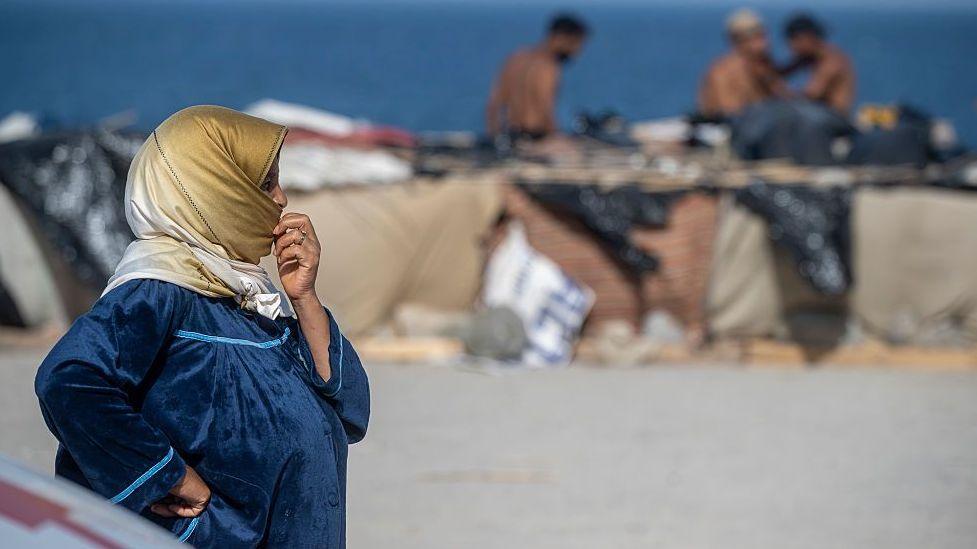
Ceuta, a Spanish city on North Africa’s coast, is grappling with a brutal wave of sexual violence triggered by a sudden surge of migrants. Prosecutors say 23 attacks, including nine on minors, have been logged since the July influx from Morocco. Officials warn that many victims remain silent, fearing a precarious legal status amidst rising tensions between newcomers and locals. The crisis has sparked political firestorms: Spain’s Prime Minister Pedro Sánchez meets with the King to assert authority, while the hard‑right Vox party blames him for losing control. Meanwhile, Moroccan and European leaders deny involvement, but social media campaigns continue to spread misinformation about the border’s safety. Ceuta’s residents and migrants alike battle daily challenges: safety concerns, scarce resources, and the looming threat of violence. The city’s future hinges on how the Spanish government addresses the humanitarian front and diplomatic tensions, as the migrant population of 5,000, including 1,400–1,600 children, remains within the exclave.
What’s Happening in Ceuta?
Ceuta, Spain’s tiny island city on the African coast, has become the stage for a shocking spike in sexual assaults. Since the huge wave of migrants crossed the border from Morocco in late July, prosecutors have logged 23 attacks, nine of them targeting children.
The city’s chief prosecutor, Silvia Rojas, says the stats equal “almost one case every day.” Following the influx, the number of unaccompanied extra‑European children climbed to 1,600—a frightening reality for a community that has already seen violence surge.
Why Is It So Dangerous?
Rojas warns that many victims remain silent, fearing exposure as they live with “irregular status.” Women, especially migrants, find themselves at risk in an environment where authority is limited and the police face heavy crowding.
The Spanish government has stepped in: a multi‑million‑euro aid package is slated to cover essential services and care for these children, while the local mayor urges residents to rally in solidarity on Ceuta’s annual holiday.
Political Tension Goes Global
Prime Minister Pedro Sánchez has said the King himself will visit Ceuta “as soon as conditions allow”—a bold move that stokes friction with Morocco, which still claims territorial sovereignty. Meanwhile, political opponents in Spain’s parliament press him: Vox says he’s “handed control over” while the People's Party points fingers at Morocco for facilitating the surge.
Adding layers to the chaos, social media rumours proliferate. Some posts claim the border fence is safe, a claim contradicted by the death of at least 100 people who tried to swim around it. Internationally, both Russia and Israel deny any role, yet both accuse Spain of spreading misinformation.
What Can Teens Do?
If you’re a young person watching this story unfold:
- Share verified facts—use sources like BBC or reputable news sites.
- Support organisations helping migrants and victims, such as the Spanish Society of Epidemiology’s outreach.
- Stay informed—subscribe to quick, short videos from SnapScope that break down each part of the crisis.