In brief
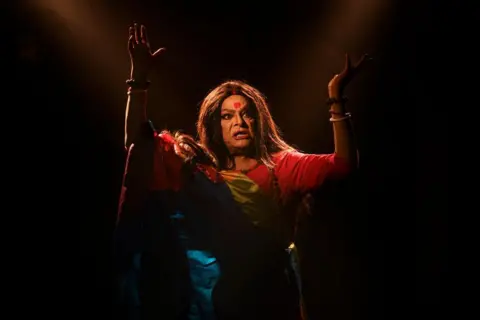
Chapal Bhaduri, also known as Chapal Rani, emerged as a leading figure in Bengal's jatra theatre during the mid-20th century, captivating audiences with performances that blurred gender lines. With a unique ability to portray female characters, Bhaduri became a celebrated yet controversial icon in a landscape shifting towards female performers. His journey, detailed in Sandip Roy's new book, explores not only his stardom but also the complex dynamics of gender and identity in Indian theater, revealing the struggles faced by performers who lived on the cultural margins.
In mid-20th Century Bengal in eastern India, some of the biggest female stars on stage were actually men. The foremost among them was Chapal Bhaduri - better known as Chapal Rani - the reigning 'queen' of jatra, a travelling theatre tradition that drew vast crowds. Male actors performing female roles were a familiar trope globally, especially in forms like jatra that combined music, myth, and drama. In a new book, 'Chapal Rani: The Last Queen of Bengal,' writer Sandip Roy traces Bhaduri's journey from his rise to fame to his obscurity, illustrating a changing world where gender itself was acted out. Bhaduri, although celebrated, faced societal stigma and ultimately witnessed the decline of male performers in jatra as women began to take the stage. His intricate performances and deep emotional portrayals defied contemporary expectations of queer representation in India, establishing him as a pioneering figure in theatre and gender fluidity narratives.