In brief
The International Chess Federation saw its top boss, Arkady Dvorkovich, fall from power after the EU added him to its sanctions list for supporting Russia’s annexation of Ukrainian territory. The move sparked a flurry of reactions from the chess community, with Ukraine’s leadership applauding it as a diplomatic win. Critics maintain that the sanctions unfairly punish a sporting leader, while allies question Russia’s influence in international chess. With Dvorkovich stepping aside, leaders wonder what new direction the sport will take in a politically tense world.
Chess Caught in a Political Winter
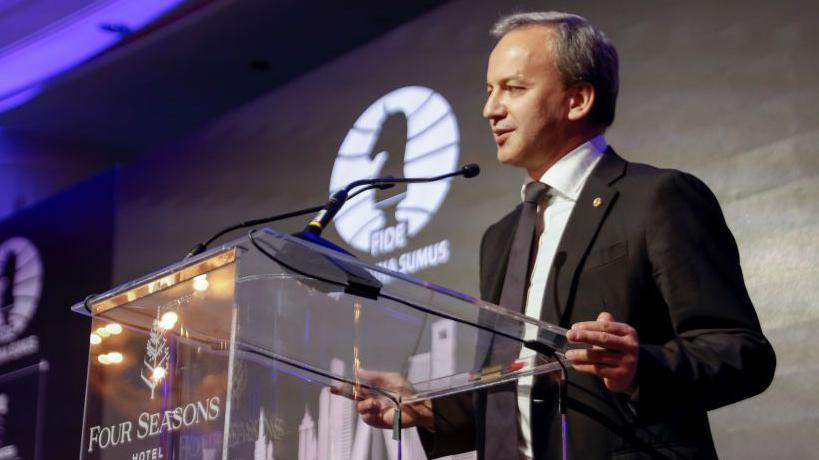
Arkady Dvorkovich, the president of the International Chess Federation (FIDE), has announced he will step aside after the European Union added him to its sanctions list.
The EU cited his public support for the annexation of Crimea and his insistence that occupied Ukrainian cities be called "new territories" of Russia. Because of that, the sanctions ban him from travelling to EU member states and freeze assets tied to him.
Dvorkovich said he would voluntarily suspend his duties but has not officially resigned. "I consider the sanctions unlawful and unfair, intended to bar me from leading FIDE," he told BBC.
The move has sparked jubilation in Ukraine, where officials see it as a victory and a blow against Moscow’s influence in sport. Ukraine’s vice‑chairman Volodymyr Kovalchuk declared, "We hope never to see this man in the chess world again." England’s representative Malcolm Pein described the sanction as a “massive diplomatic win.”
Dvorkovich’s tenure coincided with a period of intense political tension in chess: Russian teams were barred from global competitions following the 2024 invasion of Ukraine and Russia’s attempts to lobby for new entry of its players. Critics say the federation is being steered by Moscow. Dvorkovich believes that view is false and that FIDE remains a Swiss‑based, global organisation.
The fallout raises questions about who will steer the world’s most historic board game next. With the sport enjoying a global boom and stars like Magnus Carlsen earning worldwide sponsorships, the new leadership choice could carry political significance beyond the 64‑square board.
Source: BBC News, 19 July 2026.