In brief
Typhoon Dolphin tore through eastern China, forcing over a million residents—including Shanghai’s commuters—to leave their homes. The storm dumped record rains on coastal provinces, halted flights, and even flooded business districts, with authorities setting up 1,000 shelters and waiving parking fees to shelter the public. Social media went into overdrive, with two people detained for spreading fabricated videos and AI‑generated footage. Meanwhile, the storm’s reach extended to the Philippines and Japan, causing casualties and record temperatures in Hong Kong. The event highlights how natural disasters test both infrastructure and digital resilience.
1 Million People Flee Before the Storm
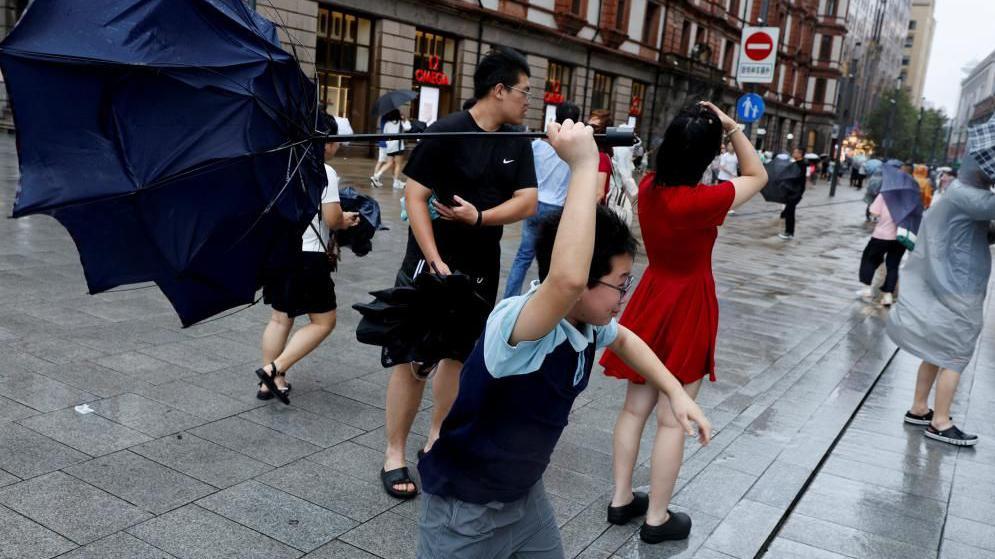
Typhoon Dolphin slammed into eastern China on Sunday, with winds topping 150 km/h. The government ordered a huge-scale evacuation, moving more than one million residents out of Shanghai, Zhejiang, and nearby provinces.
During the evacuation, nearly a thousand flights in Shanghai were grounded, and coastal roads ran red‑ink as water flooded streets. A wave of tweets emerged, warning passengers to cancel their trips. Facebook and Weibo posts about an AI‑generated video claimed a man fell from a building during the storm—later proven fake.
Emergency Shelters and Tech‑Help
- Hangzhou allowed free parking for people seeking shelter.
- Wenzhou opened over 1,000 emergency shelters, using the city’s SMS alert system to notify residents.
- Marine authorities in Fujian shut 100 offshore construction sites to keep crews safe.
Worldwide Impact
The storm also brought heavy rains to the Philippines, killing eight people, and triggered record heat in Hong Kong and minor injuries in Japan’s Okinawa. The storm’s long travel (~6,000 km) underscores how tech‑driven prediction tools now forecast such extremes, but local infrastructures still lag.
With El Niño boosting storm intensity, experts warn the next typhoon season could bring even bigger challenges, urging quick tech‑savvy responses from locals and governments alike.
Want to test your flood‑savvy? Try our quick quiz on how to stay safe during a typhoon. Click here!SnapScope © 2026. All rights reserved.