In brief
Recent reports highlight the remarkable efforts of US military forces in Combat Search and Rescue (CSAR) missions, particularly following the downing of an F-15 fighter jet over Iran. These highly skilled units execute some of the most complex and time-sensitive operations aimed at recovering downed pilots and troops in dangerous territories. Tracing back to the roots of such efforts, CSAR missions have evolved significantly since World War II, leading to the specialized training of Pararescue teams who promise to never leave their comrades behind.
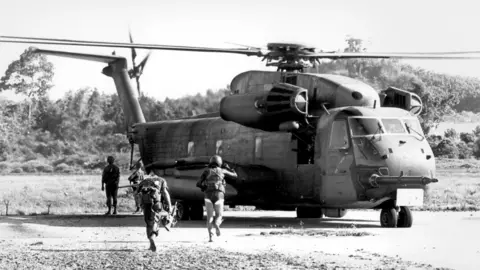
Early reports indicate that the pilot of a US F-15 fighter aircraft downed over Iran was rescued - which, if confirmed, would be the latest in the long history of US combat search-and-rescue missions over decades. According to CBS, the BBC's US partner, the search operation is ongoing deep inside Iran for a second crew member. Combat search and rescue, or CSAR, missions are considered among the most complex, time-sensitive operations that US and allied militaries prepare for.In the US, elite units of the Air Force are specially trained for CSAR missions and are often pre-emptively deployed near conflict areas where aircraft could be lost. Put simply, CSAR missions are military operations aimed at finding, aiding and potentially rescuing personnel in need, including downed pilots and isolated troops. In contrast to conventional search-and-rescue efforts, which could take place during humanitarian operations or after disasters, CSAR missions occur in hostile or contested environments.In modern times, CSAR missions are often conducted by helicopters, with refueling aircraft in support and other military aircraft on hand to conduct strikes and patrol the area. The US military's Pararescue units trace their lineage back to a 1943 mission when two combat surgeons parachuted into Burma to help wounded soldiers, leading to the evolution of the first helicopter rescue the following year.Pararescue teams have evidenced their operational importance through various missions, particularly throughout the wars in Iraq and Afghanistan. However, these missions have been rare in recent decades, with notable rescues dating back to incidents in the 1990s. With recent activities in Iran showcasing current CSAR capabilities, the commitment of these elite forces remains at the forefront of military operations aimed at ensuring no soldier is left behind.