In brief
Data centres, the giant warehouses that run the internet, are hitting back‑up in the U.S. as residents and politicians clash over their size, energy use and impact on local communities. The backlash is so strong that senators and governors are rushing to draft new regulations and pause tax incentives. Voter polls show AI and data‑centre policy as a top concern for the 2026 elections, giving Democrats a chance to win seats while forcing Republicans to tone it down. Meanwhile, critics say the promised jobs from new centres are overstated, with research showing only 100‑200 jobs per site. As parties scramble for votes, the line between tech growth and community rights is tightening.
Data Centres & the US Midterms
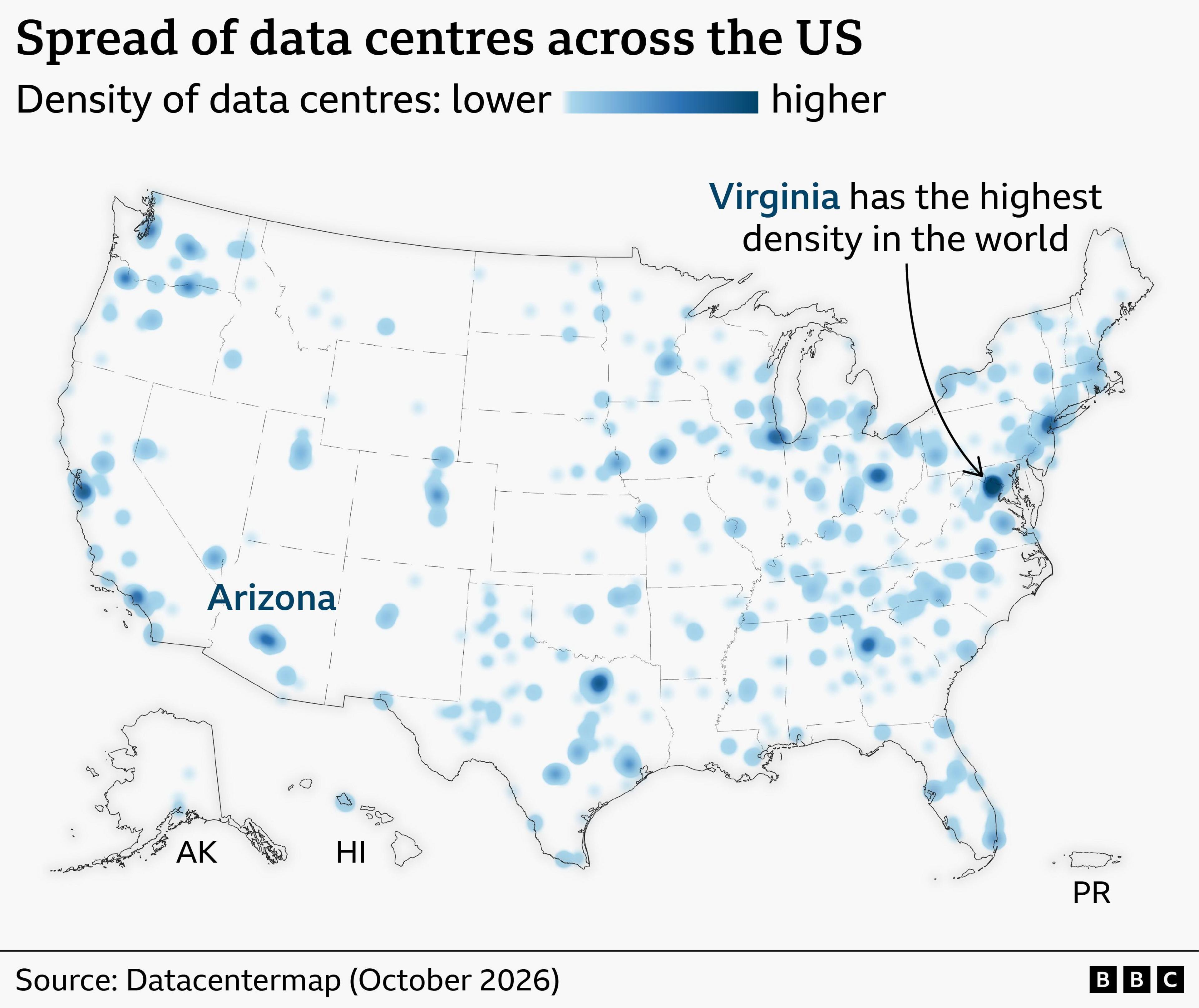
Data centres – those massive buildings full of computer chips that keep the internet running – are at the centre of a new political storm. The rapid spread of these hubs, built in every state, is meeting fierce local backlash over noise, energy consumption and the pace of approval.
A senator who previously ignored the issue now holds daily briefings and is drafting law to limit how quickly new data centres can be approved. Voters see the debate as a litmus test for AI policy, and a new poll says it’s the second‑most important topic in this year’s elections, after the Iran conflict and the economy.
- 3,000 active data centres exist in the U.S.; the number could double soon.
- Job‑creation claims are high, but research shows each new site adds only 100‑200 jobs.
- Governors—such as Texas’ Greg Abbott—have paused tax incentives after public pressure.
- Republican and Democratic candidates are both courting voters by taking a stand on the issue.
- Many state moratoriums last only one to three years, but community sentiment remains strong.
The backlash has forced even pro‑AI figures to reconsider their positions. In Ohio, a Republican senator, formerly supportive of chip industry growth, has shifted to say the future of data centres should be decided locally. In Texas, a governor who once touted the state as the AI hub now faces the same questions about safety and quality of life from residents who oppose large projects close to their homes.
Standing by a newly announced moratorium doesn’t guarantee that a data centre will stay off‑limits: the temporary pause could end while the political climate sees a lull. Still, the current opposition is powerful enough that politicians must weigh their stances carefully rather than simply riding a wave of tech growth.
That’s why politics, tech and community action are unlikely to separate throughout the 2026 election cycle. The data‑centre debate is already reshaping campaigns, fundraising, and even party messaging.