In brief
As the affordability concern grows among voters, some Democrats, including Senators Chris Van Hollen and Cory Booker, propose significant tax cuts aimed at lower-income Americans. Their plans seek to exempt earnings below certain thresholds from federal income tax, aligning somewhat with Republican strategies historically. However, analysts caution that such cuts may limit potential funding for other Democratic initiatives, such as reversing previous tax cuts for the wealthy and Medicaid funding. The proposed tax reductions also raise questions about their effectiveness in truly benefiting the middle class. With a changing Democratic base, this shift reflects an attempt to attract affluent yet concerned voters, pushing for a clearer approach to taxes.
With voters’ concerns about affordability showing no sign of fading, some Democrats are rediscovering a traditionally Republican tactic for putting money back in people’s pockets — cutting taxes.
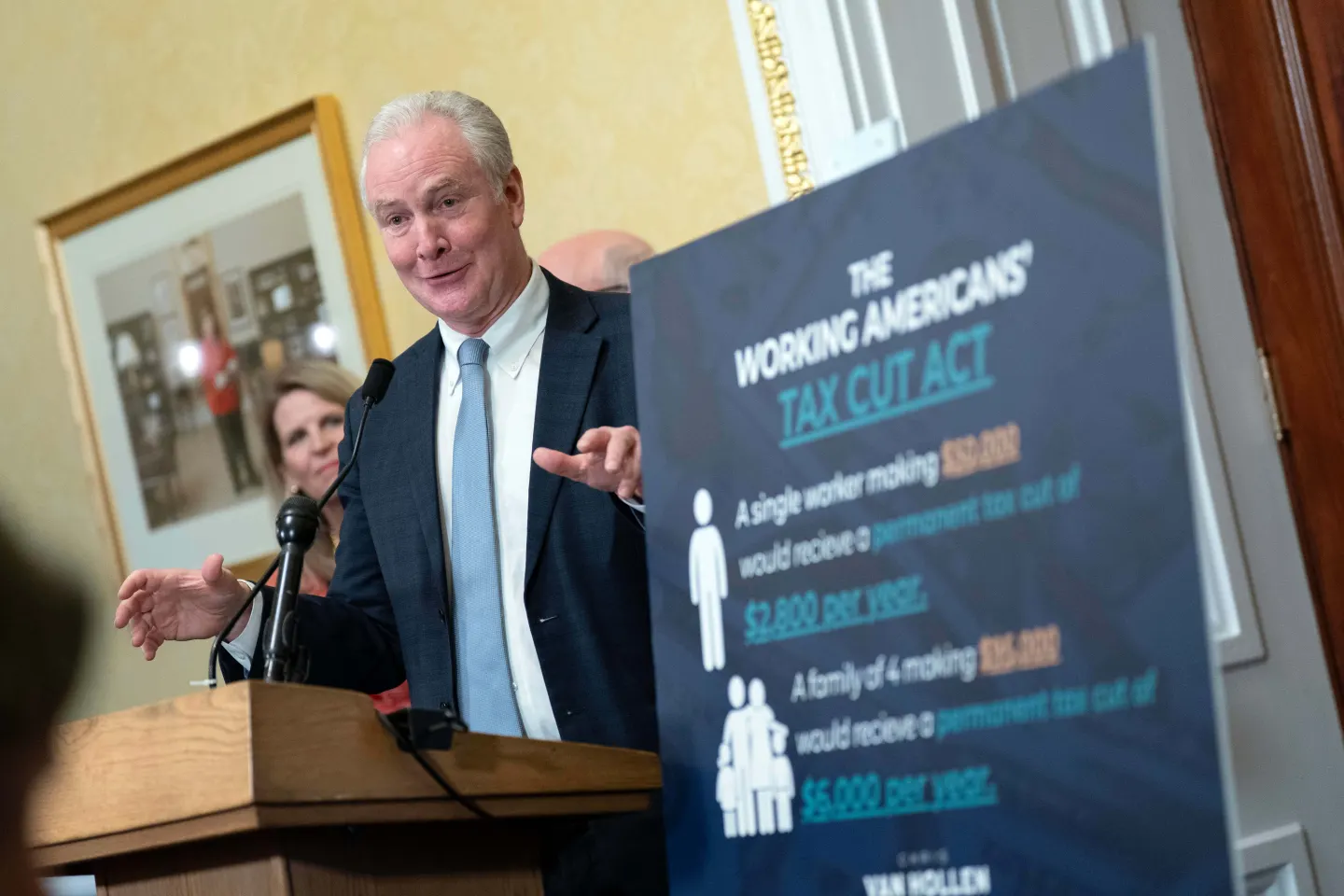
Sen. Chris Van Hollen of Maryland proposes effectively ending the federal income tax on individuals making $46,000 or less annually, and reducing it for those making slightly more. Meanwhile, New Jersey Sen. Cory Booker aims for a zero tax burden for households earning up to $75,000.
This move is a strategic shift for Democrats reminiscent of former President Trump’s tax-friendly promises, indicating an attempt to revamp their image as they address economic concerns voiced by voters.
However, analysts warn that these plans could undermine the party’s ability to fund other initiatives crucial for reversing previous tax cuts aimed at the wealthy or restoring Medicaid funding.
For many Democrats, these tax proposals are also about re-engaging with a base that feels overlooked. Rep. Katie Porter’s idea focuses on simplicity and clarity in tax legislation, a deviation from the complex approaches of the past.
Amidst the shifting political landscape, the Democratic party seems to be recalibrating its approach to taxes, seeking to balance affordability with funding essential public services that many citizens rely on.