In brief
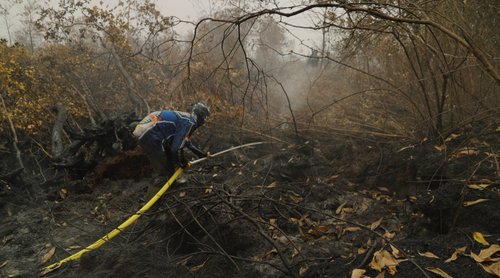
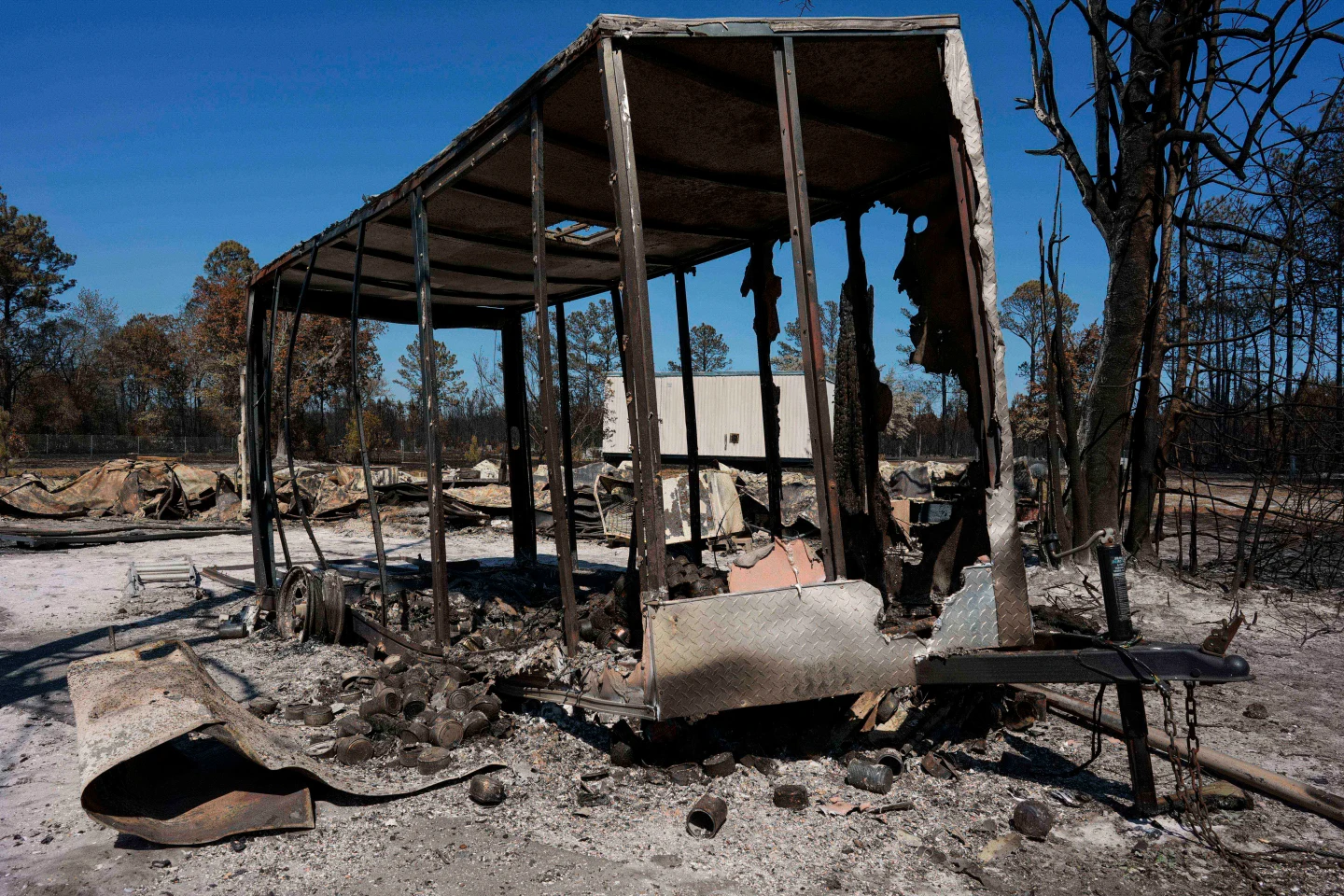
Wildfires are escalating across the Eastern United States, previously considered less susceptible to such disasters. Recent blazes in Georgia have destroyed over 50 homes, largely fueled by a combination of climate change, drought, and the aftermath of Hurricane Helene. Experts warn that as climate conditions worsen, the frequency and intensity of these fires will continue to rise, affecting more communities in a region where people live in close proximity to vast forest areas.
Historically viewed as a concern primarily for the Western U.S., wildfires are now on the rise in the Eastern regions, creating more frequent and destructive events. A recent fire in Georgia destroyed over 50 homes and has garnered attention to the changing dynamics of how wildfires impact these areas.
Experts attribute these alarming trends to climate change, which is drying out potential fuels, combined with extensive drought conditions and the number of dead trees remaining from storms like Hurricane Helene. In 2023 alone, approximately 2,802 square miles of land in the U.S. has been affected by wildfire, an 88% increase compared to the past decade's average for this period.
According to fire scientists, the East is witnessing a shift where not only the number of wildfires is increasing but the intensity is becoming more severe. 45% of large wildfires in the East now impact areas classified as the wildland-urban interface, where expansive forests meet developed areas inhabited by people.
As climate change continues to exacerbate dry conditions, experts warn communities must prepare for the harsh reality of increased fire threats.