In brief
Once a hotspot for polar bear tourism, Kaktovik, Alaska, saw its visitor numbers plummet due to the pandemic and government regulations. As the community seeks to revive this economic lifeline, they are emphasizing responsible tourism practices to protect both residents and wildlife. Local leaders are advocating for changes to ensure that tourists can enjoy the rare sight of polar bears without compromising the safety and peace of the village.
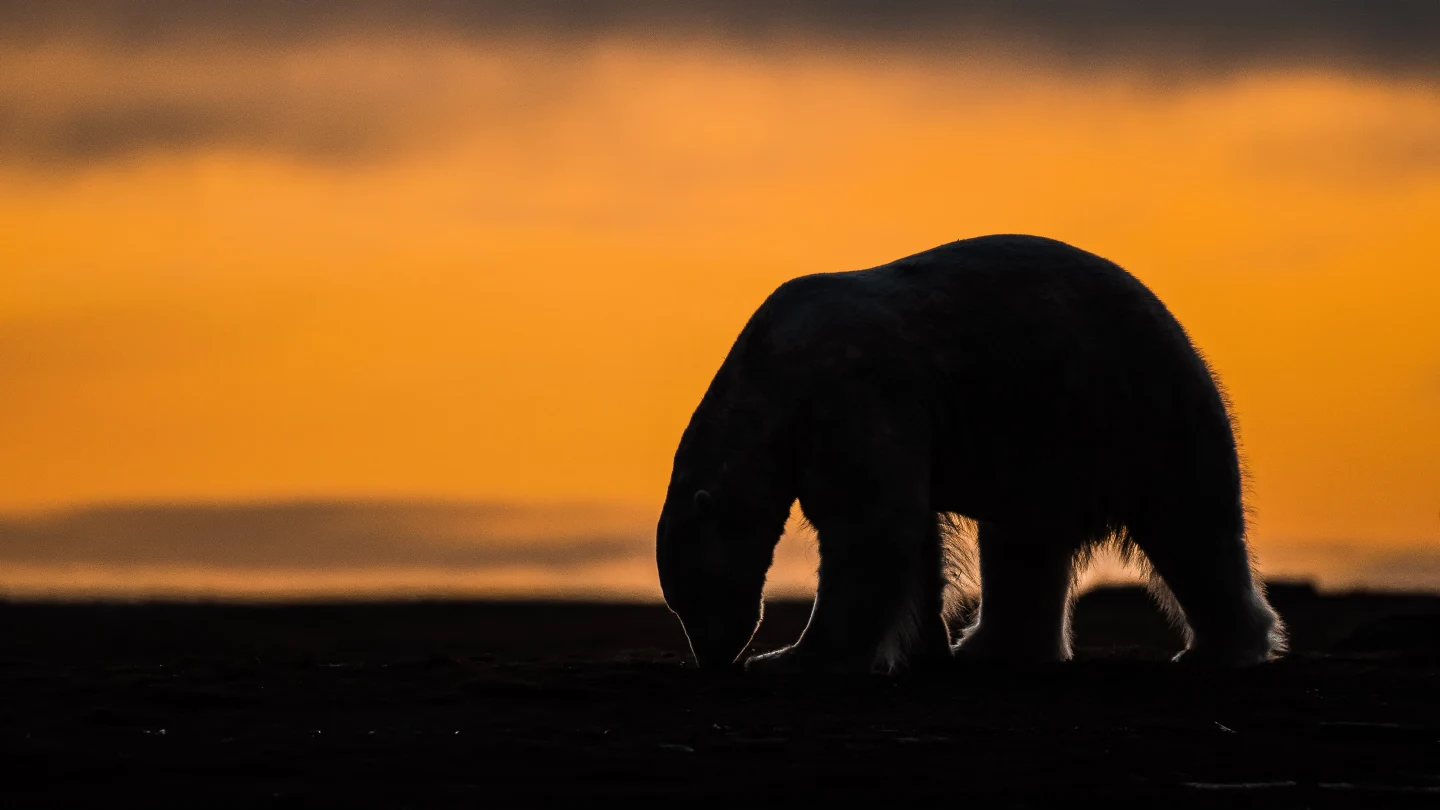
Every summer, massive polar bears flock to Kaktovik, Alaska, to feast on whale carcasses left behind by hunters. This breathtaking scene used to attract over 1,000 tourists annually, drawn to what some call 'last chance tourism' — an opportunity to witness these magnificent creatures before climate change threatens their existence. However, tourism came to a halt during the COVID-19 pandemic, compounded by government restrictions aimed at protecting both the bears and the small population of Kaktovik’s residents.Kaktovik's local leaders, including Charles Lampe of the Kaktovik Inupiat Corporation, are eager to revitalize polar bear tourism for economic benefits while ensuring it doesn't disrupt the community or wildlife. As they engage with the U.S. Fish and Wildlife Service, they're advocating for new guidelines, such as limiting how long boats can linger near the bears, which can help maintain the animals' natural wariness of humans.With the perspective of educated and respectful tourism, Kaktovik aims to strike a balance that allows visitors to enjoy the beauty of the Arctic while safeguarding the culture and lifestyle of the local people. The journey to renew the tourism sector may begin as early as 2027, aligning it with a community-focused approach to preserve both tourists' experiences and the delicate ecosystem.