When pollution escalates in the rivers supplying drinking water for Iowa’s largest city, Des Moines must spend around $16,000 a day to operate special filtration systems aimed at removing harmful nitrates. This issue, exacerbated by climate change, has become a costly reality for Iowa's agriculture-heavy state as experts point to abnormal warm winters and extreme weather conditions that facilitate nitrogen runoff into waterways. As Des Moines navigates this water quality challenge, residents can expect rising water bills as filtering efforts become increasingly essential. Iowa’s vulnerable waterways require consistent monitoring as they are affected by agricultural runoff, which poses health risks including respiratory issues and infant health concerns. The conversation around managing nitrate pollution emphasizes the need for improved infrastructure in rural areas and a shift towards more sustainable agricultural practices across the state.
Warm Winters Lead to Rising Nitrate Pollution in Iowa's Drinking Water
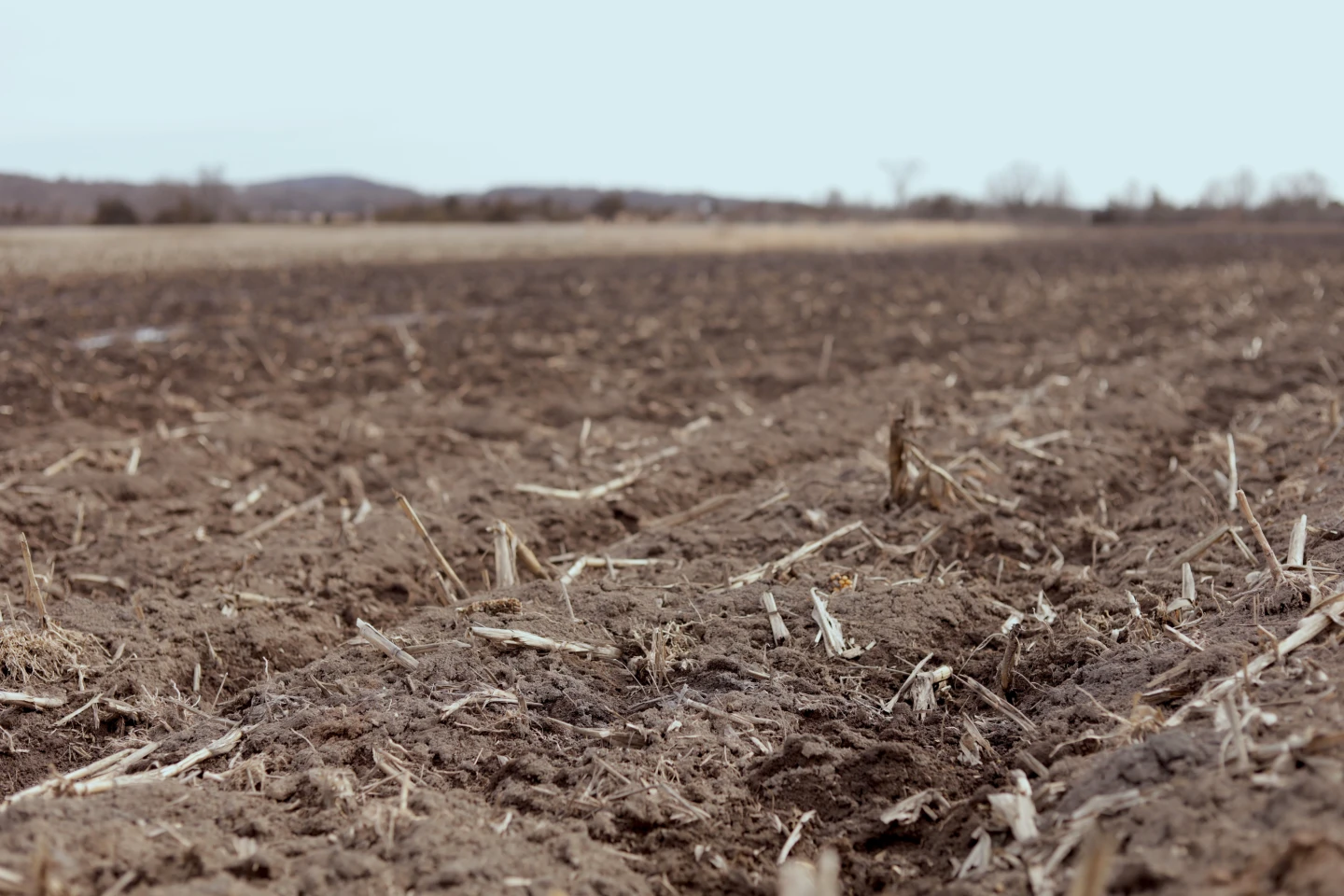
Warm Winters Lead to Rising Nitrate Pollution in Iowa's Drinking Water
As climate change accelerates, Iowa is seeing more nitrate pollution in its water supply. With each warming winter, the agricultural runoff is becoming a $16,000 daily problem for Des Moines.
The increase in nitrate pollution in Iowa's water sources is linked to climate change effects like warmer winters. Des Moines spends approximately $16,000 daily to filter dangerous levels of nitrates that seep from fertilizers. Experts warn that as weather patterns continue to shift, this issue will likely escalate, impacting health and prompting higher water costs for residents. The problem disproportionately affects low-income and rural communities, where not every area has the necessary infrastructure to manage harsh water quality issues.