FORT COLLINS, Colo. (AP) — This spring, canyons in eastern Utah will see massive water releases aimed at maintaining hydroelectric power generation for homes across the Western U.S. The intense effort could equal over 50,000 toilets flushing at once due to continuing drought conditions.
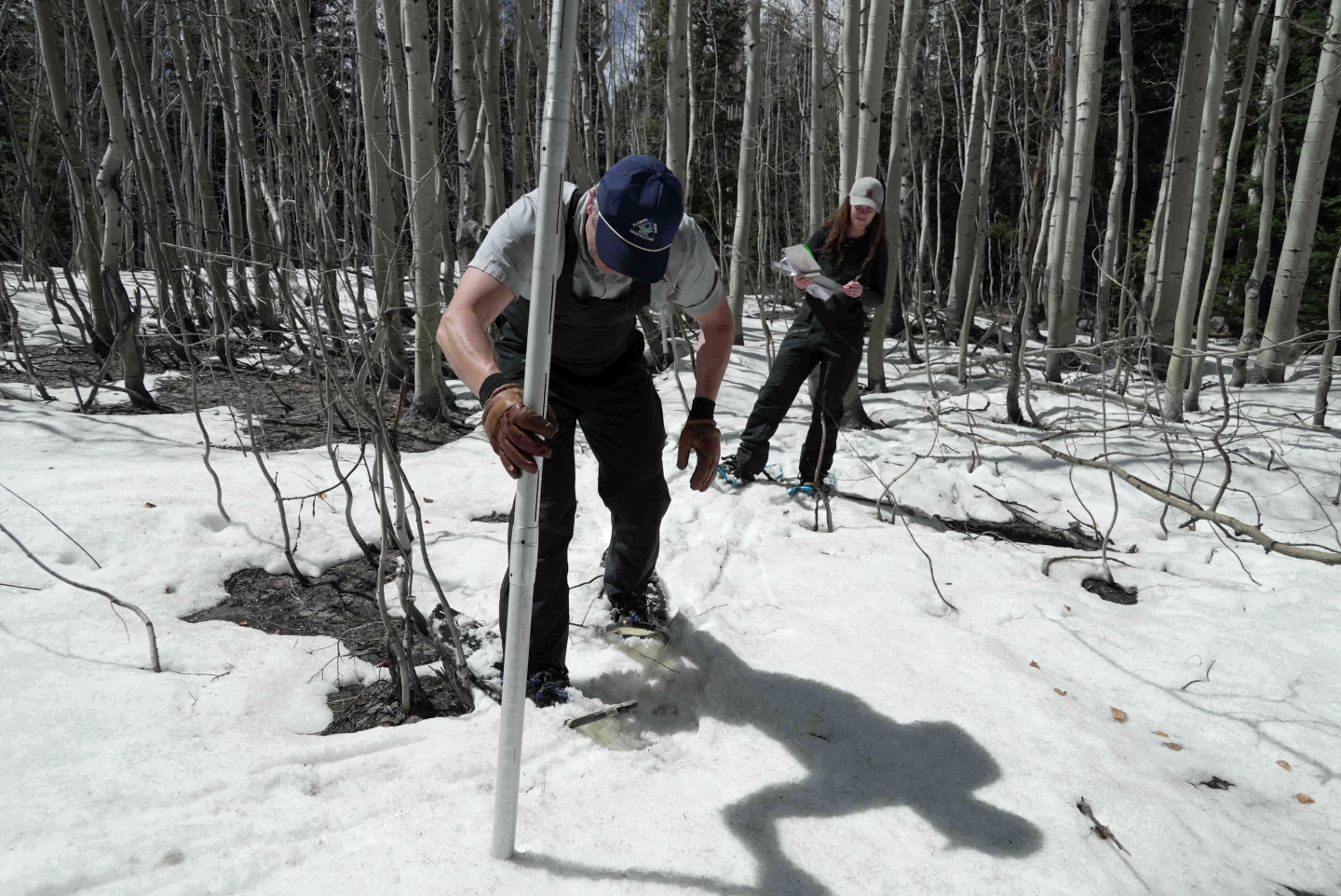
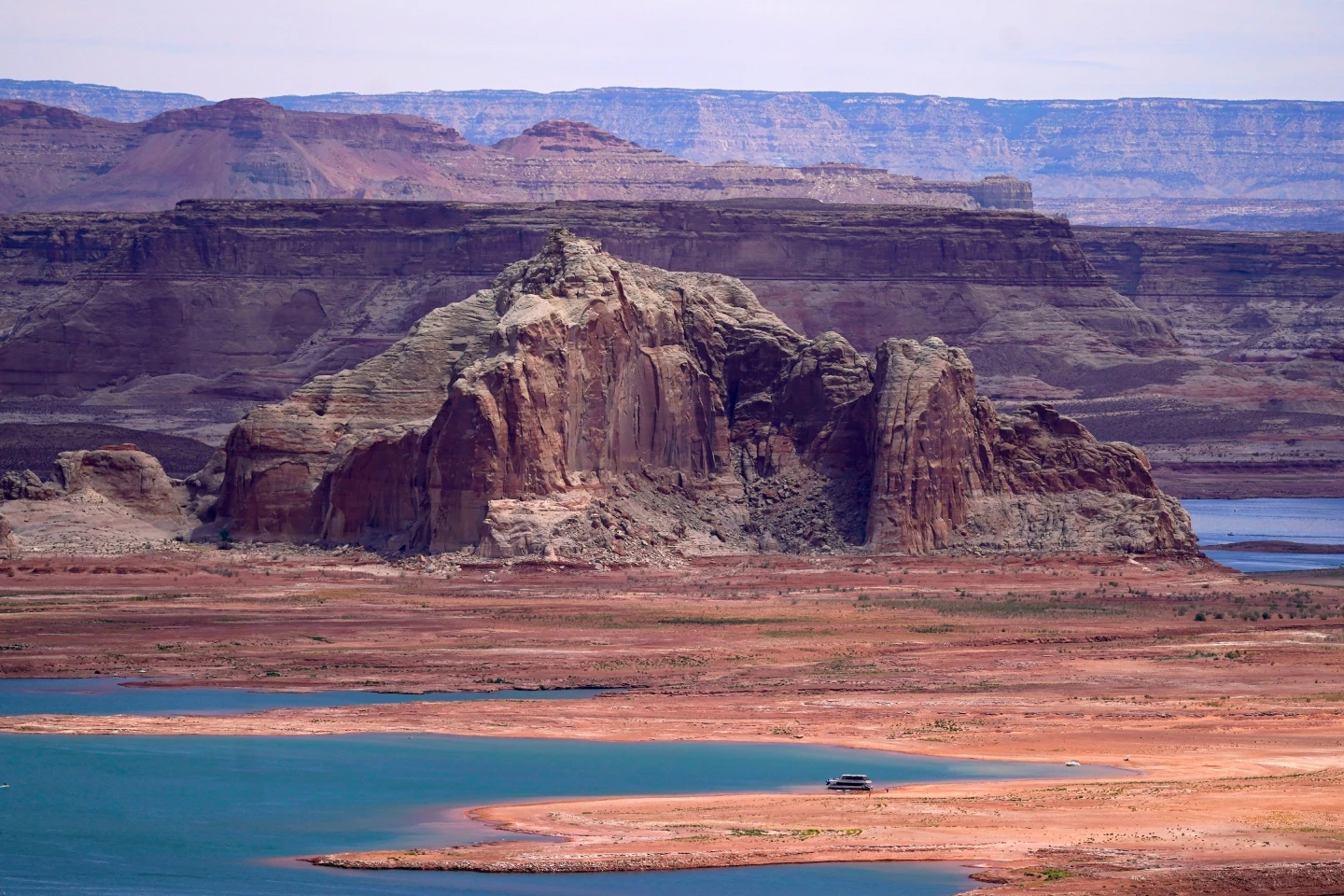
The Green and Colorado rivers may appear to be overflowing with water, but the situation is dire following the driest winter on record. Water officials plan to release a significant portion of Flaming Gorge Reservoir’s water upstream to raise Lake Powell's levels, essential for keeping power flowing to more than 350,000 homes.
However, the impacts of these water releases are felt downstream, affecting ranchers and communities reliant on the Colorado River. The owners of Buckboard Marina worry about declining water levels making access to their boats more difficult.
Experts warn that while these water management efforts are crucial, they might only provide a temporary fix amid ongoing drought conditions expected to persist. While Lake Powell’s levels stay critical for power generation, the practices could also have unforeseen consequences on local ecosystems.
As officials juggle the demands of energy production with environmental sustainability, the struggle against a decades-long megadrought highlights the urgent need for efficient water usage in the region.