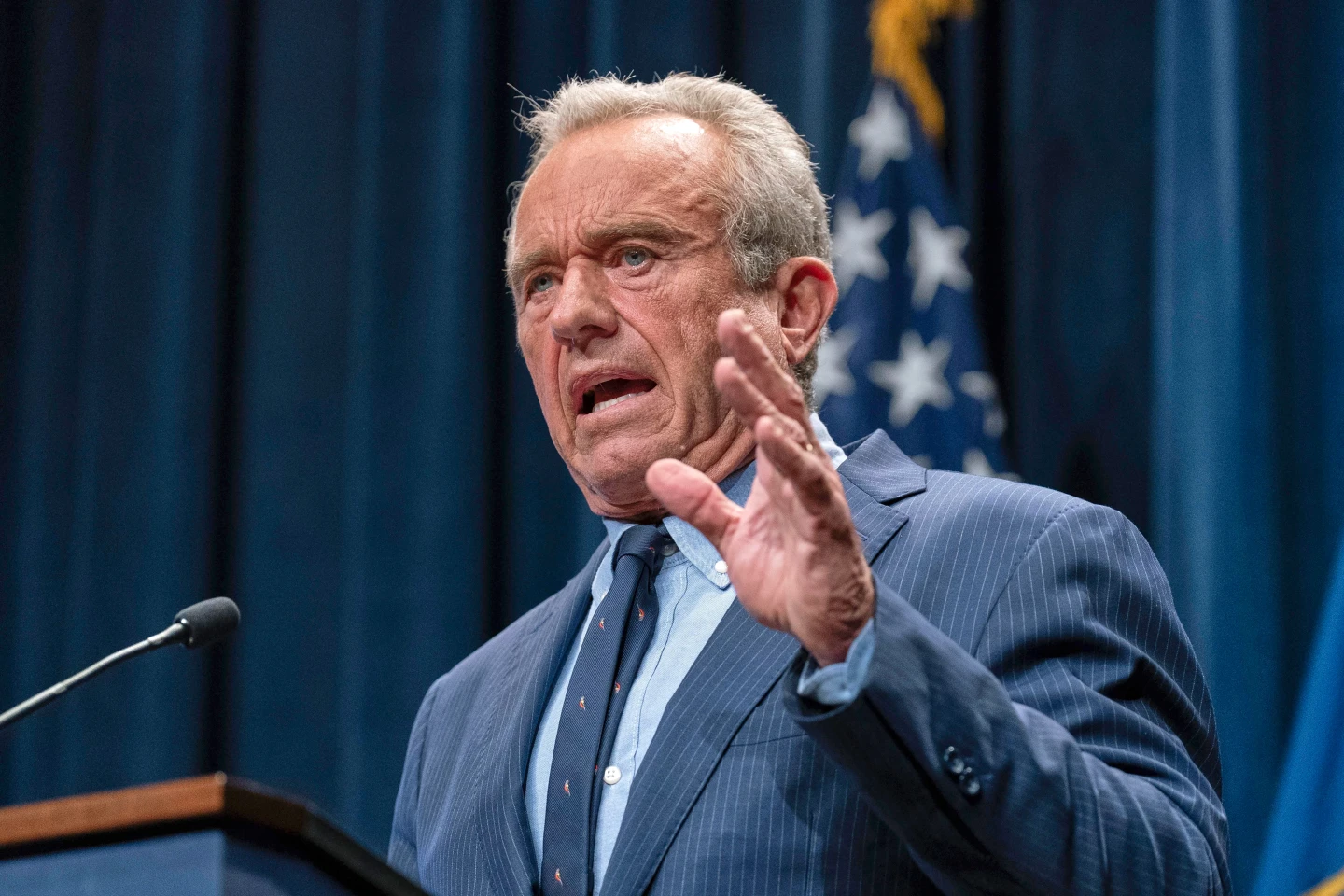
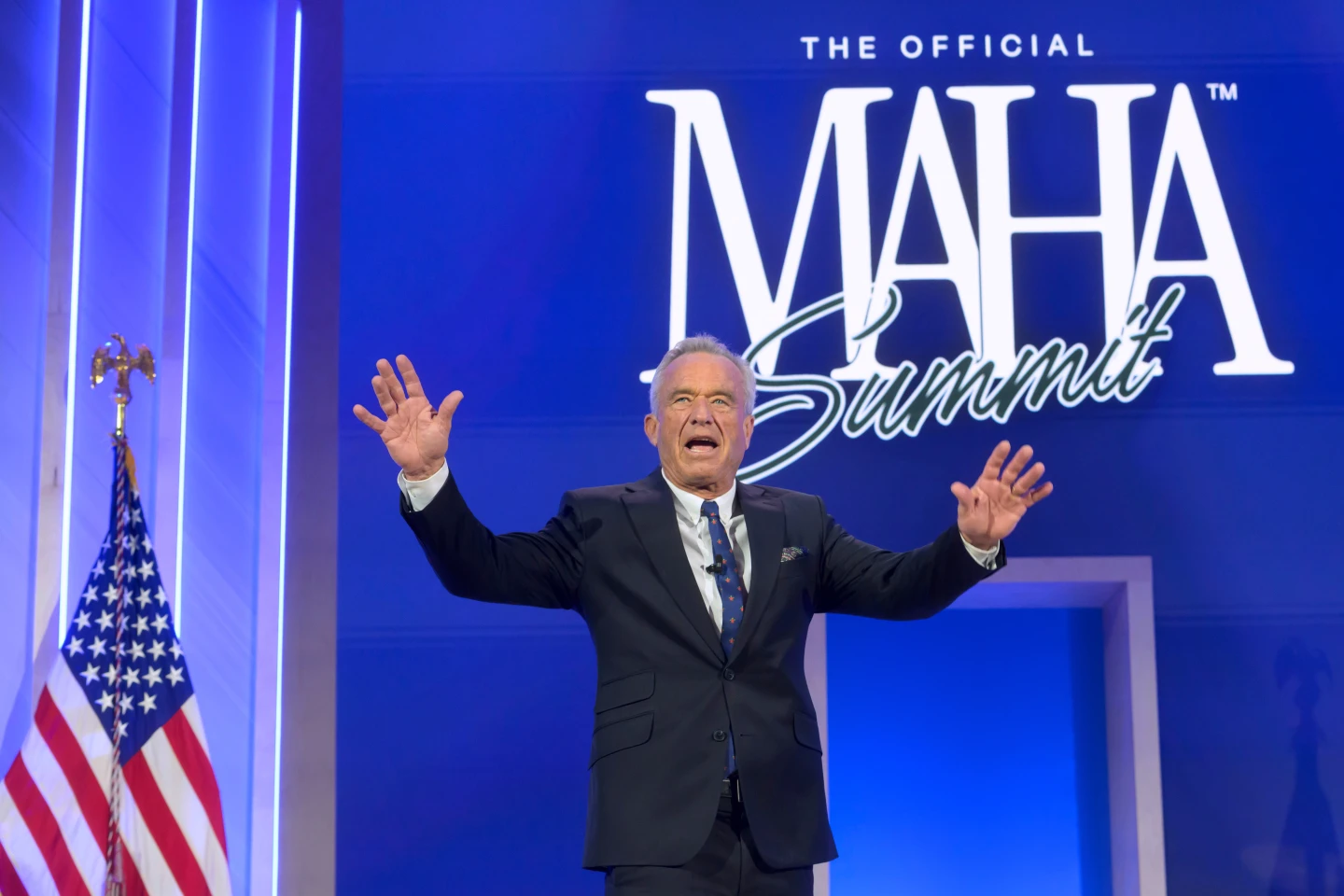
Dr. Molly O’Shea, a pediatrician in Michigan, has witnessed an increasing skepticism among parents about vaccines, a situation worsened by this week’s confusing changes to federal vaccine guidance. The updated recommendations advise vaccines only for at-risk children and through 'shared clinical decision-making.' This new terminology is raising concerns about potential misunderstandings that could lead to further hesitancy among parents.
In Dr. O’Shea’s practices, one located in a Democratic area has parents opting for alternative vaccination schedules, while the other in a Republican area sees some parents choosing to skip immunizations altogether. This divergence reflects a wider trend of vaccine hesitancy fueled by misinformation.
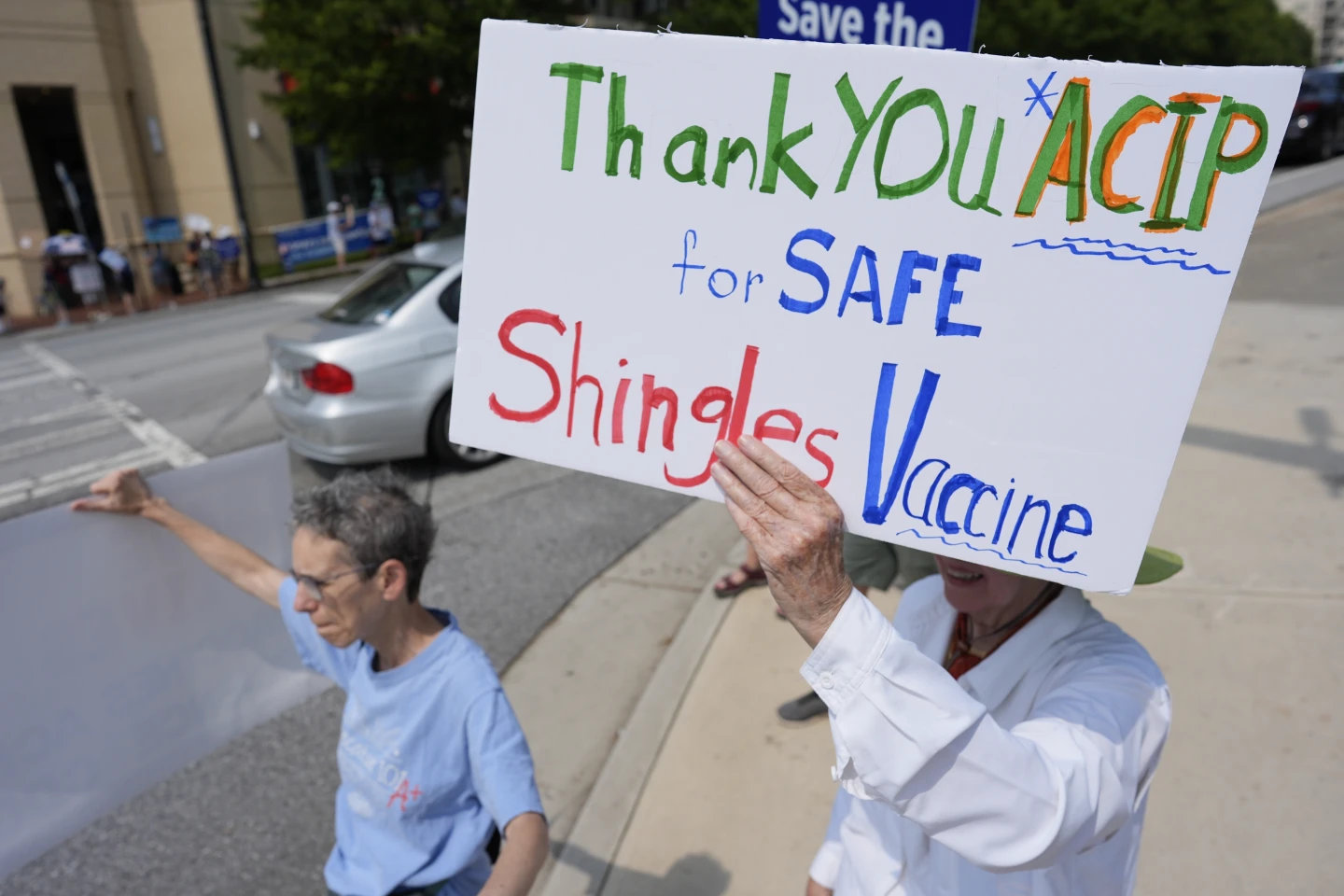
Experts, including Dr. O’Shea, warn that the new guidelines may lead to more illness and incorrect assumptions about vaccine necessity, especially in an already declining vaccination climate. Health authorities are voicing their disapproval, urging Congress to investigate the basis for these changes.
Moreover, a significant portion of the population is unclear about the meaning of 'shared decision-making,' which has historically proven to complicate conversations about vaccines between parents and healthcare professionals.
Despite these challenges, many healthcare providers remain committed to encouraging vaccinations, emphasizing their critical role in protecting public health. Consensus among medical experts supports maintaining prior guidelines to ensure that children receive necessary immunizations to prevent outbreaks of diseases.